Pallet Furniture Trend 2026: What Nobody Tells You Before You Grab Your First Pallet
Three years ago I dragged a busted pallet off the curb behind a hardware store because I saw a coffee table on Pinterest and thought, “how hard can that be.” That was my clumsy introduction to the pallet furniture trend 2026 is now seeing everywhere, and back then I had no idea what I was doing.
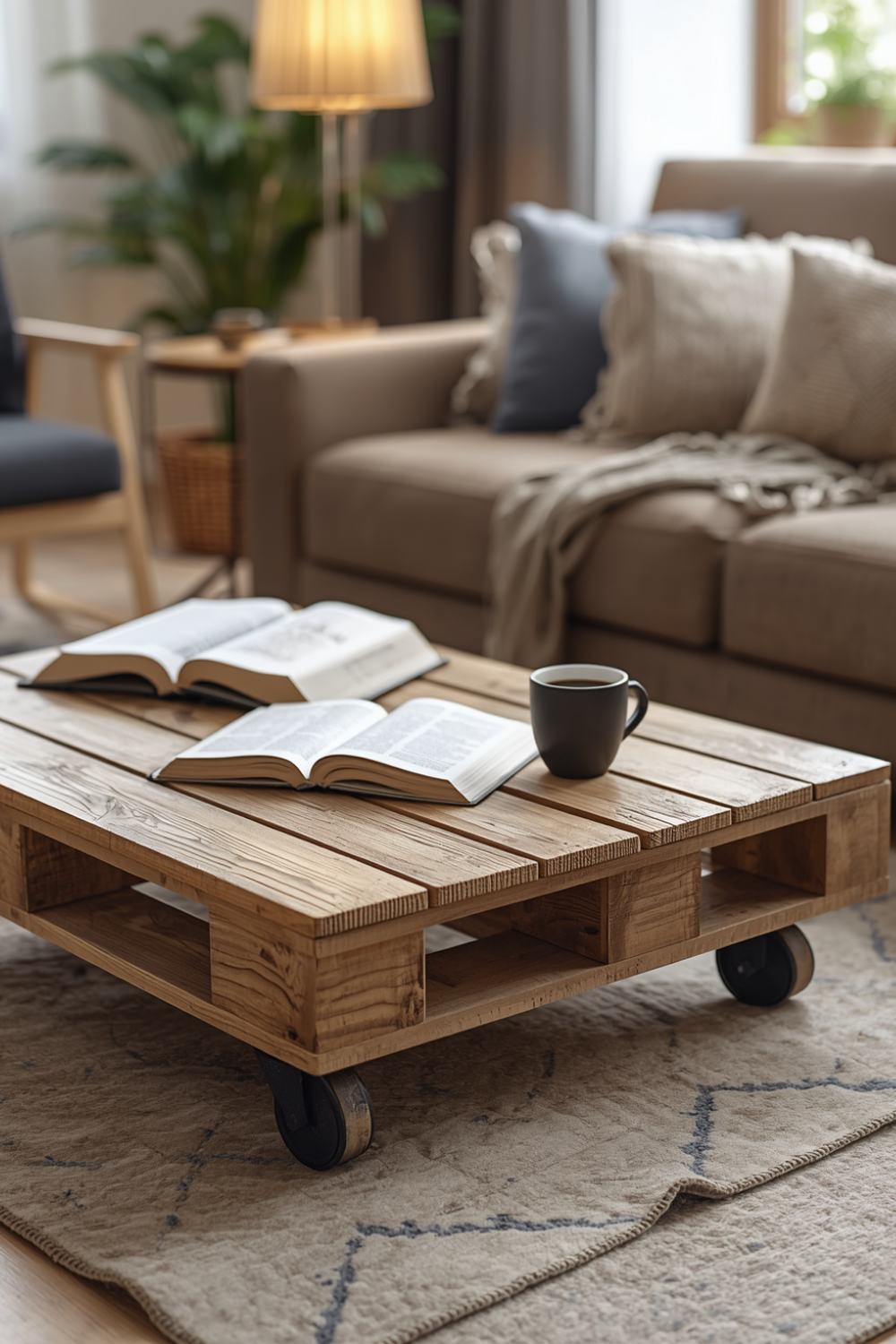
Pretty hard, actually. That first pallet had a nail sticking out where I couldn’t see it, the wood was soft from sitting in rain for who knows how long, and I spent an entire Saturday sanding something that still wobbled when I was done. But I kept at it, and now my living room has a pallet-based media console, my patio has a pallet bench, and I’ve helped two neighbors build their own pieces. So when people ask me if pallet furniture is “still a thing” in 2026, I laugh a little, because it’s bigger than ever, just smarter now.
Why the Pallet Furniture Trend 2026 Keeps Growing
Pallet furniture had its big Pinterest moment years back, then it kind of faded into “that thing your uncle made in his garage.” What’s happening now is different. It’s less about looking rustic for the sake of it and more about people actually wanting furniture that doesn’t come from a warehouse in a flat box.
I’ve noticed three things pushing it back into the spotlight this year.
First, furniture prices haven’t calmed down. A decent solid-wood coffee table at a regular store can run you $300 or more. A pallet, if you’re not paying for it, costs zero. Even a “nice” pallet from a reclaimed wood yard runs $10 to $25.
Second, people are done with particleboard. You know the stuff. It swells if a glass sweats on it for too long and it doesn’t survive a move. Pallet wood, especially the heat-treated kind, is usually pine or oak and it’s solid all the way through. If you want to understand how pallets are graded and built in the first place, Wikipedia’s overview of pallets is a decent starting point.
Third, and this one surprised me, a lot of younger folks are getting into it because of TikTok and YouTube, not Pinterest. Short videos showing a pallet turning into a headboard in sixty seconds make it look approachable, even though the real process takes a weekend, not a minute.
My First Real Mistake (Don’t Do This)
I grabbed a pallet from behind a grocery store loading dock without checking the stamp on it. Big mistake. Pallets have a little stamped code on the side, usually near the middle block, and it tells you how the wood was treated under the international standard for this stuff, called ISPM 15.
Look for “HT,” which means heat-treated. That’s the safe one for anything you’re bringing indoors.
Skip anything stamped “MB.” That stands for methyl bromide, a pesticide fumigant, and you don’t want that dust in your living room, especially if you have kids or pets who’ll be near the furniture.
If there’s no stamp at all, I just walk away now. Not worth guessing.
Where I Actually Get My Pallets
I used to think you just wander around and find them. Sometimes that works, but it’s hit or miss. Here’s what’s actually reliable in 2026:
- Facebook Marketplace and local “buy nothing” groups. People post free pallets constantly, especially near industrial areas.
- Local hardware stores and garden centers. Ask the receiving department directly. Most will let you take broken or extra pallets for free if you ask politely and show up when they’re not slammed.
- Reclaimed wood suppliers. If you want pallets that are already cleaned, de-nailed, and sorted by quality, places like these exist in most mid-size cities now. You’ll pay for it, but you skip the worst part of the process.
- Shipping and logistics companies near you. They go through pallets constantly and often have a pile they’re happy to get rid of.
How to Build Pallet Furniture: The Actual Step-by-Step
Step 1: Inspect before you take it home. Check for the HT stamp, look for cracks running through the boards, and press on any soft or discolored spots. Soft wood means rot, and rot means it’ll fall apart under weight later.
Step 2: Take it apart the smart way. Don’t just pry with a crowbar and hope. I use a reciprocating saw (a basic Ryobi one has done me fine for years) and cut through the nails between the boards and the blocks. It’s faster and it doesn’t split the wood the way prying does.
Step 3: Pull every single nail. This step is boring and I still skip corners sometimes, which is exactly how I put a nail through my palm sander once. Use a cat’s paw or a nail puller, and go slow. Every nail matters.
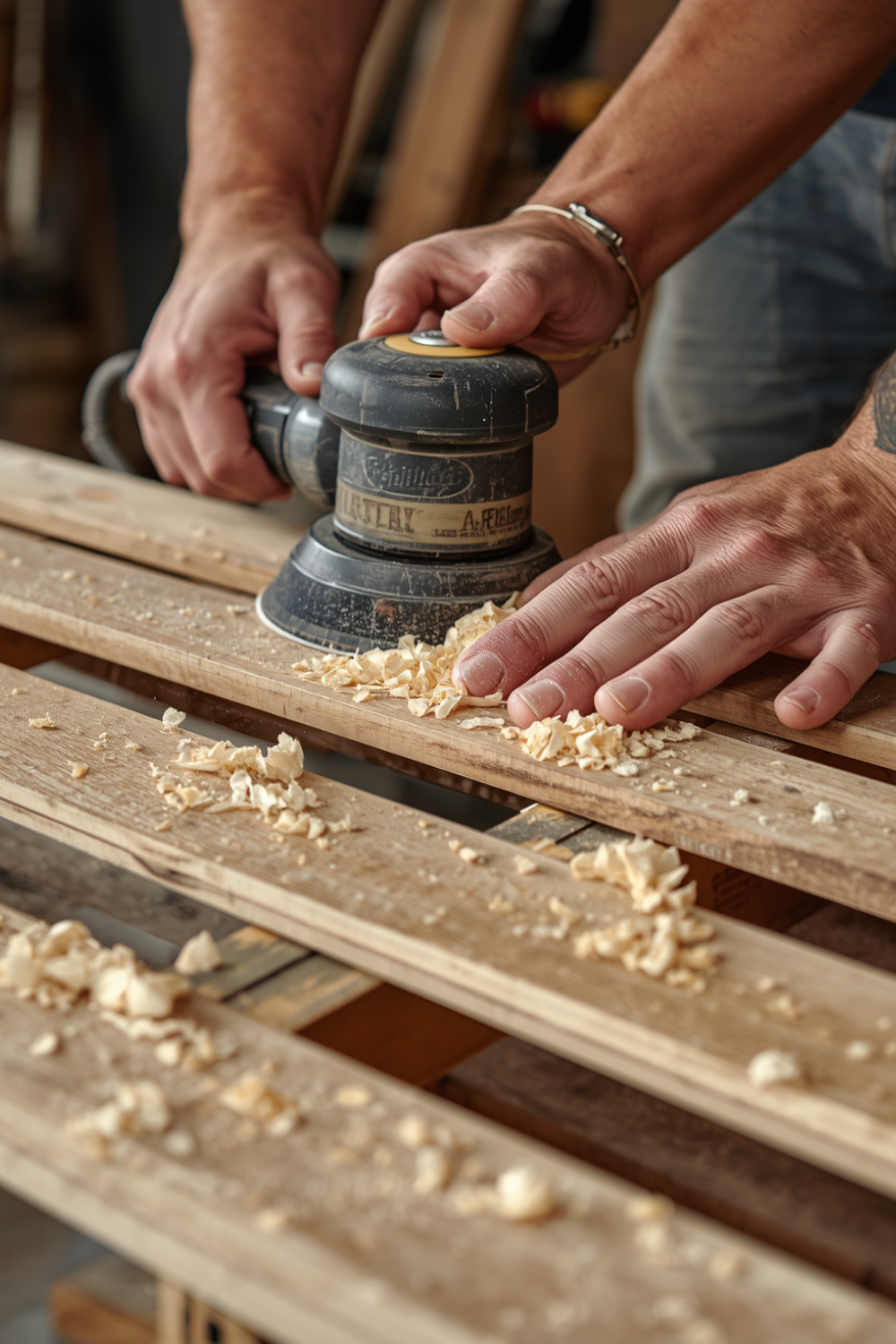
Step 4: Sand in stages. Start with 60 or 80 grit to knock down the roughness, then move to 120, then finish around 220 if you want it smooth to the touch. An orbital sander makes this bearable. Doing it by hand is possible but it’ll take you all day and your arm will hate you.
Step 5: Decide on a finish based on where it’s going. For outdoor pieces, I use an exterior-grade sealant like Thompson’s WaterSeal, reapplied every year or two. For indoor furniture, I’ve had good results with a simple wipe-on polyurethane or even just butcher block oil if it’s something like a side table. The Spruce has a solid rundown on wood sealants if you want to compare options before buying.
Step 6: Build with real support, not just glue. This is where most first attempts fail, mine included. Pallet wood alone isn’t always structurally solid at the joints. I add wood screws and, for anything load-bearing like a bed frame, L-brackets underneath where nobody sees them. It’s not cheating, it’s the difference between furniture that lasts and furniture that lasts six months.
What People Are Actually Building in the 2026 Pallet Furniture Trend
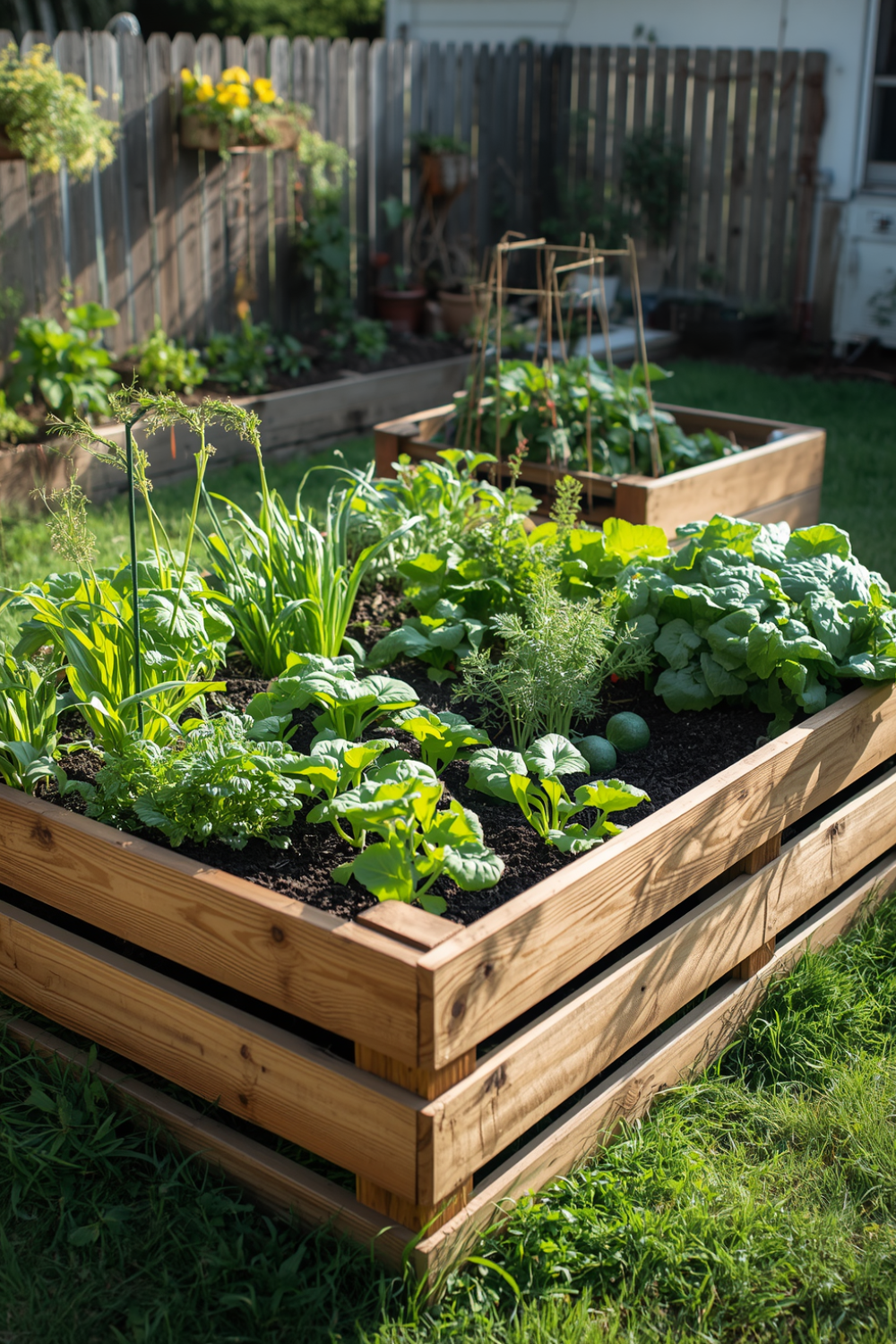
The coffee table thing is still around, sure, but I’m seeing a real shift toward bigger, more permanent pieces. Raised garden beds made from pallet wood are everywhere right now, partly because more people are growing their own vegetables and partly because it’s genuinely one of the easier pallet projects.
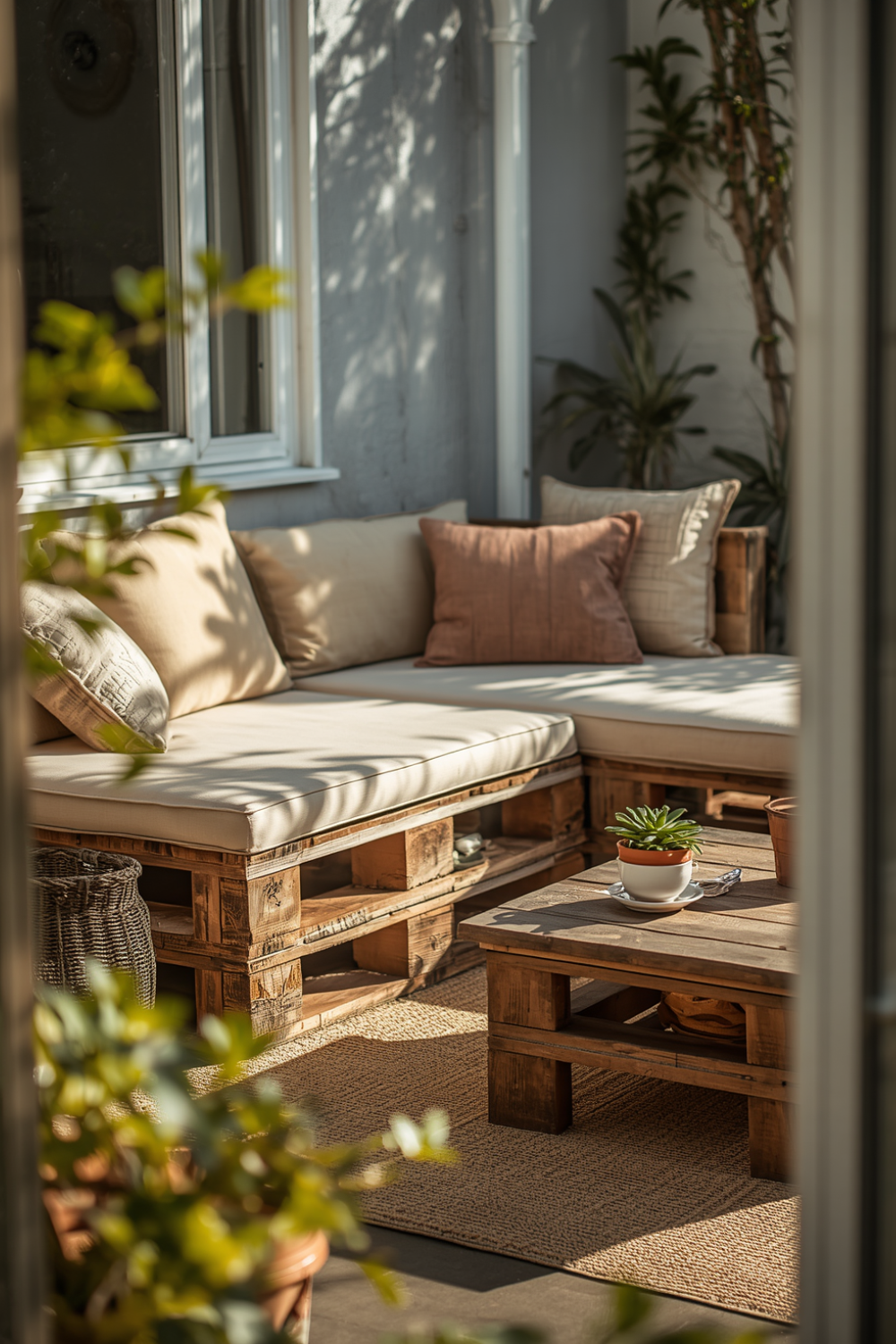
Outdoor sectional couches built from stacked pallets with weatherproof cushions on top have basically become the go-to for people who want a patio setup without spending two grand at a furniture store.
I’ve also seen a lot more vertical stuff, like wall-mounted shoe racks and herb gardens, since apartment living pushes people to build up instead of out.
Common Pallet Furniture Mistakes to Avoid
People skip sanding because it’s tedious, then wonder why they get splinters every time someone sits down. Sand it properly. It’s the least fun step and the most necessary one.
People use interior wood glue on outdoor projects, and then it fails after one rainy season. If it’s going outside, use exterior or marine-grade glue, or skip glue entirely and rely on screws.
People stack pallets straight from the store without checking for chemical stamps, especially when they’re excited and just want to start building. I get the excitement. I’ve been there. Check the stamp anyway.
People underestimate how heavy stacked pallet furniture gets. A pallet couch with cushions and people sitting on it is genuinely heavy, and if you built it on a wobbly base or thin legs, it will eventually give.
What I’d Tell Someone Starting the Pallet Furniture Trend in 2026
Start small. My first successful project wasn’t the coffee table, it was a tiny plant stand that took maybe two hours. Get one small win before you attempt a bed frame or a full sectional.
Buy decent tools if you’re going to keep doing this. I resisted buying a proper sander for way too long and it made every project miserable. A $60 orbital sander changed my whole experience with this hobby.
And honestly, don’t chase perfection. Pallet furniture has character because it’s not perfectly uniform. The slight color differences between boards, the visible grain, the occasional knot, that’s the whole appeal. If you wanted something flawless you’d buy it from a store.
I still have that first wobbly coffee table, actually. I fixed the wobble eventually with a shim under one leg, and it sits in my garage now holding paint cans. Not glamorous, but it taught me everything I needed to build the stuff that’s actually in my house today.