If you’ve ever looked at a stack of old shipping pallets and thought, I could do something with those, you’re already halfway to a beautiful garden. Pallet wood planter boxes are one of the most rewarding DIY projects you can tackle — they’re cheap, forgiving for beginners, and they add real character to any outdoor space.
This guide covers 20 practical and creative ideas, from a simple rustic pallet planter on your front porch to a full vertical garden system that turns a blank fence into something worth showing off. You’ll also find tips on choosing the right pallets, preparing the wood safely, and keeping your planters looking great season after season.
Let’s get into it.
Why Pallet Wood Planters Are Worth Your Time
Before we get to the ideas, here’s why so many American homeowners and gardeners have gone all-in on this trend.
Cost. Pallets are often free. Check behind grocery stores, hardware stores, garden centers, and furniture warehouses. Many businesses are glad to get rid of them.
Character. Reclaimed wood planter boxes have a weathered, textured look that you simply can’t buy at a garden store. Every knot, stain, and grain line tells a story.
Flexibility. You can build a small pallet planter for a single herb or a large raised pallet planter box for a full vegetable bed. The scale is entirely up to you.
Sustainability. Repurposing wood that would otherwise be thrown away is a genuine win for the environment. It’s the kind of project that feels good before, during, and after.
One Important Thing Before You Start: Check the Pallet Stamp
This is the part most tutorials skip, and it matters.
Not all pallets are safe for gardening. Look for a stamp or brand on the side of the pallet:
- HT (Heat Treated) — Safe. The wood was treated with heat, not chemicals.
- MB (Methyl Bromide) — Avoid. This is a fumigant chemical that can leach into soil and plants.
- DB (Debarked) — Fine to use.
- No stamp or unclear marking — Skip it. Don’t guess.
For any outdoor pallet planter where you’re growing herbs, vegetables, or anything you’ll eat, this step is non-negotiable. Stick with HT-stamped pallets and you’ll have no issues.
1. Classic Raised Pallet Wood Planter Box
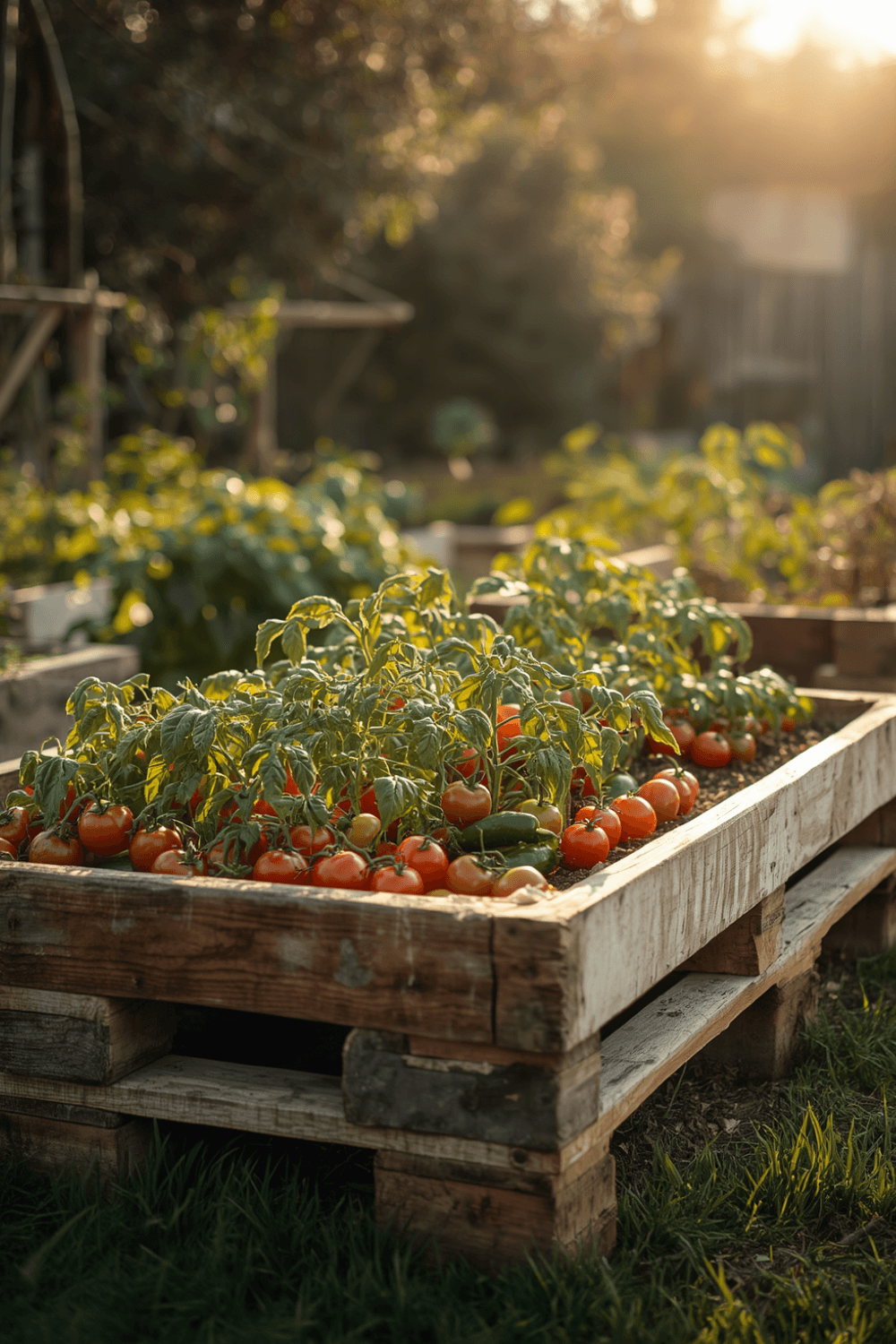
Stack two pallets flat and fill with soil for an instant raised bed. It’s the most straightforward pallet gardening idea out there, and it works. Great for tomatoes, peppers, or zucchini.
2. Vertical Pallet Planter
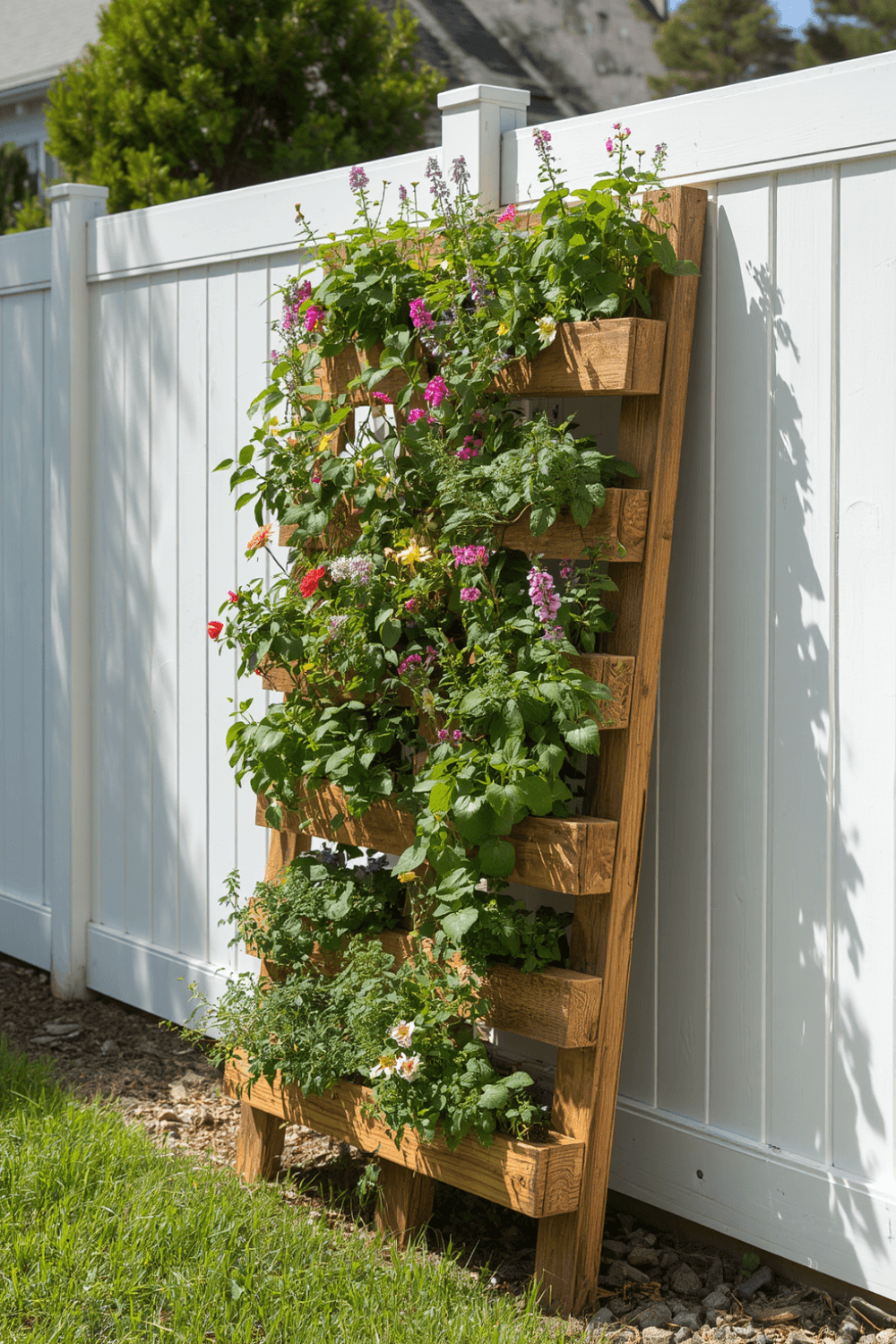
Stand a pallet upright, staple landscape fabric across the back and between slats, then fill each row with potting mix. Hang it on a fence or lean it against a wall. This is one of the best small-space solutions — you get a lot of growing space without sacrificing floor area.
3. Pallet Herb Planter for the Kitchen
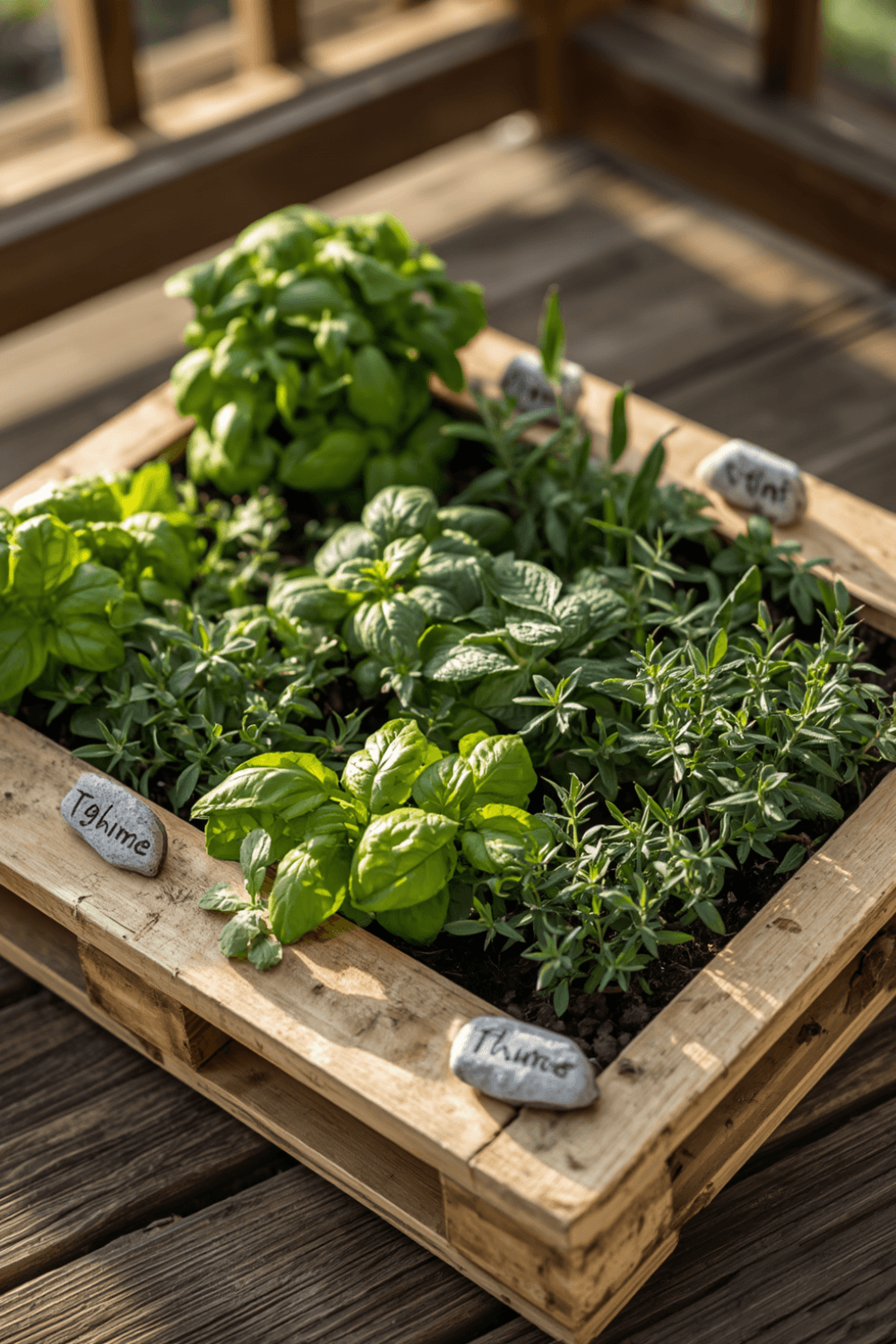
A single pallet cut in half, with each slat turned into its own planting channel, makes a neat herb pallet planter for a back deck or patio. Plant basil, mint, thyme, rosemary, and parsley in individual rows. Label them with painted rocks or small wooden tags.
4. Rustic Pallet Flower Planter
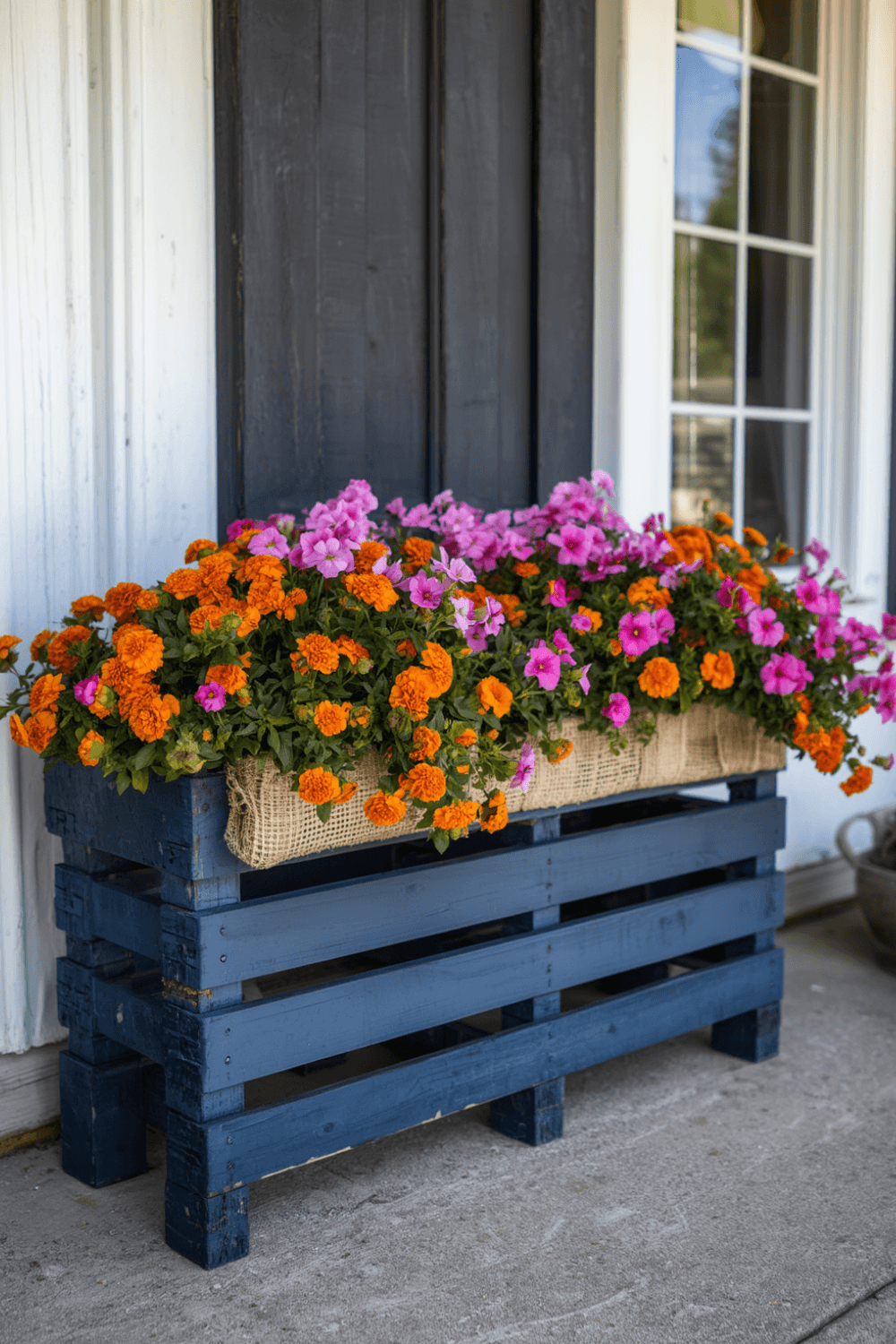
Take a horizontal pallet, nail wooden backing boards along the bottom and sides, and fill it with seasonal flowers. Marigolds, petunias, and impatiens all work beautifully. Paint the outside of the pallet in a single matte color (deep navy, forest green, or barn red) to make the blooms pop.
5. Tiered Pallet Planter
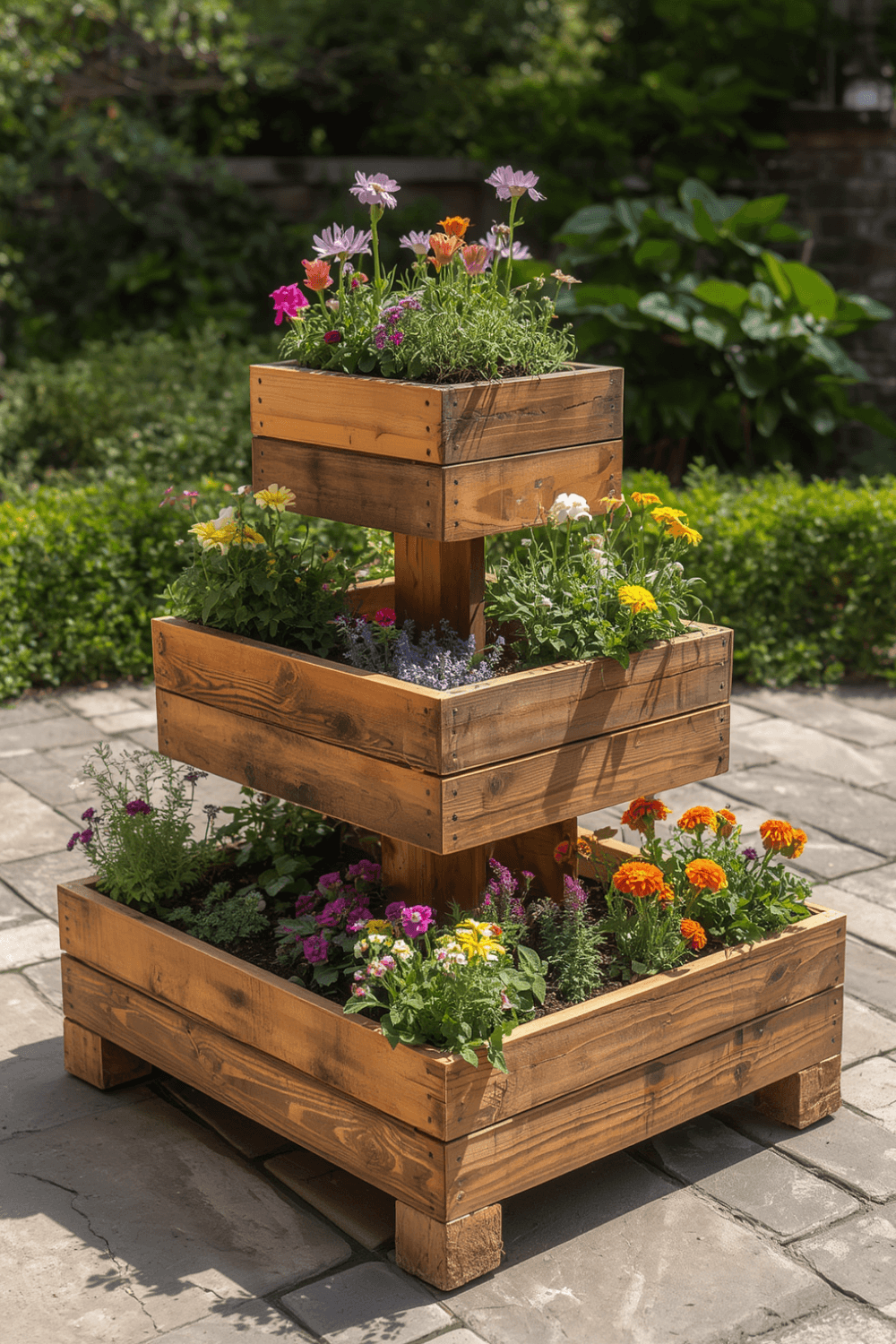
Build two or three box frames from pallet planks, each one slightly smaller than the last, and stack them to create a tiered outdoor pallet planter. This is a strong look on a patio or deck and gives you room to separate plants that need different soil or sun conditions.
6. Pallet Window Box
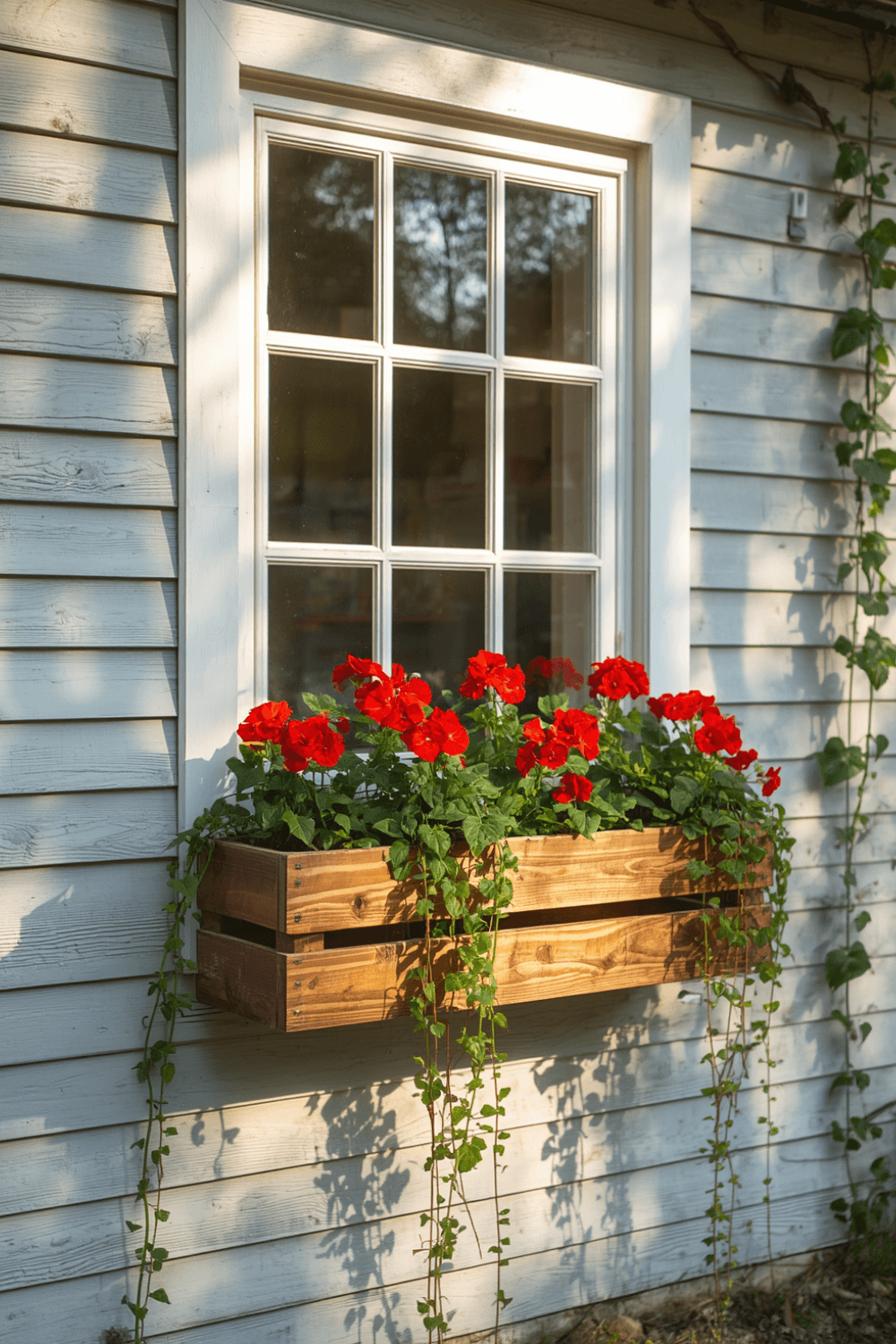
Cut a pallet down to a long, shallow box about the size of a standard window box. Mount it under a window with L-brackets. A handmade wooden planter like this costs almost nothing but looks like it was built on purpose.
7. Corner Pallet Planter
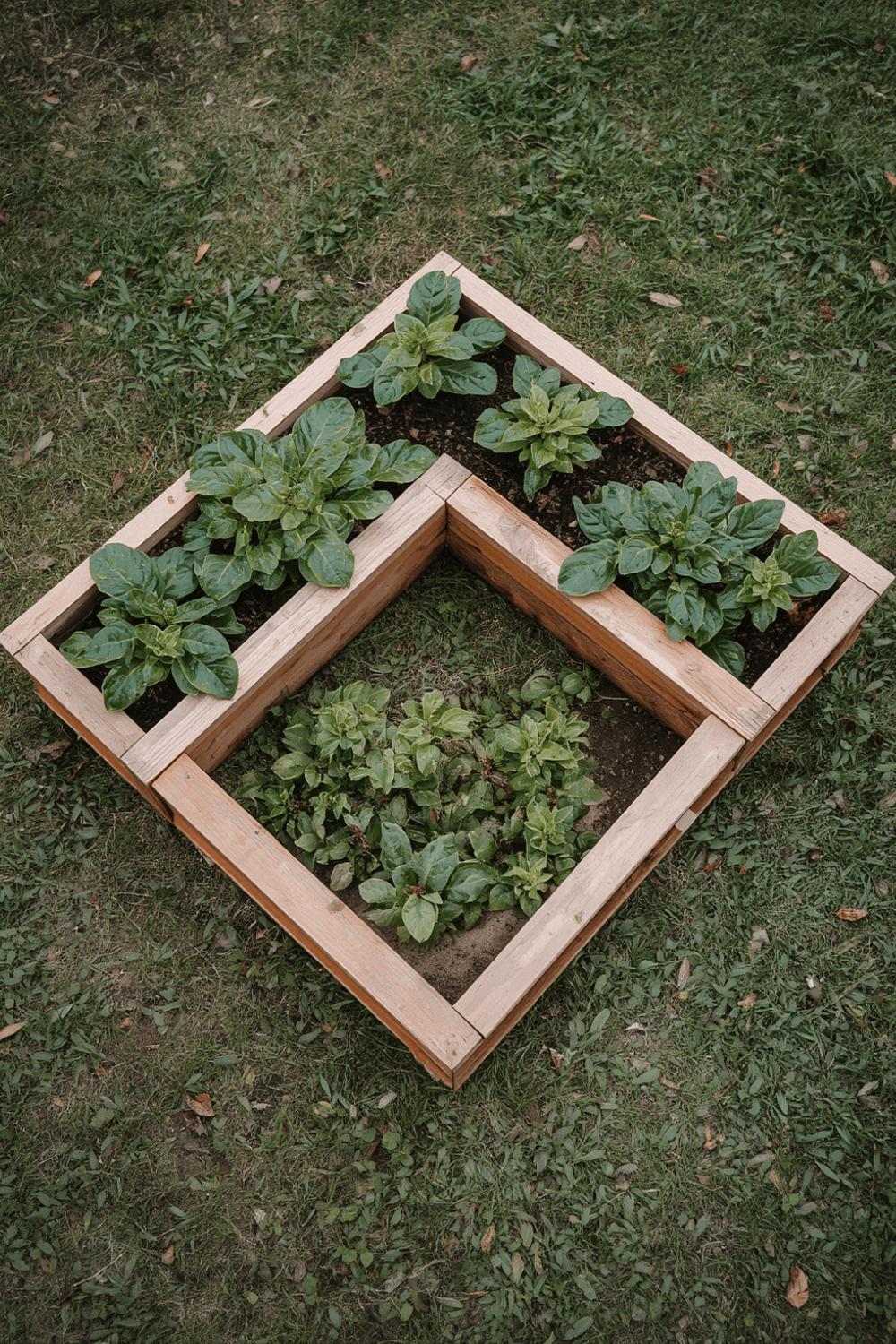
Use two pallets set at a 90-degree angle to fill a corner of your yard or patio. It frames the space and gives you a surprisingly large growing area. Works especially well in backyard corners that tend to collect dead leaves or look neglected.
8. Pallet Planter with Chalkboard Label
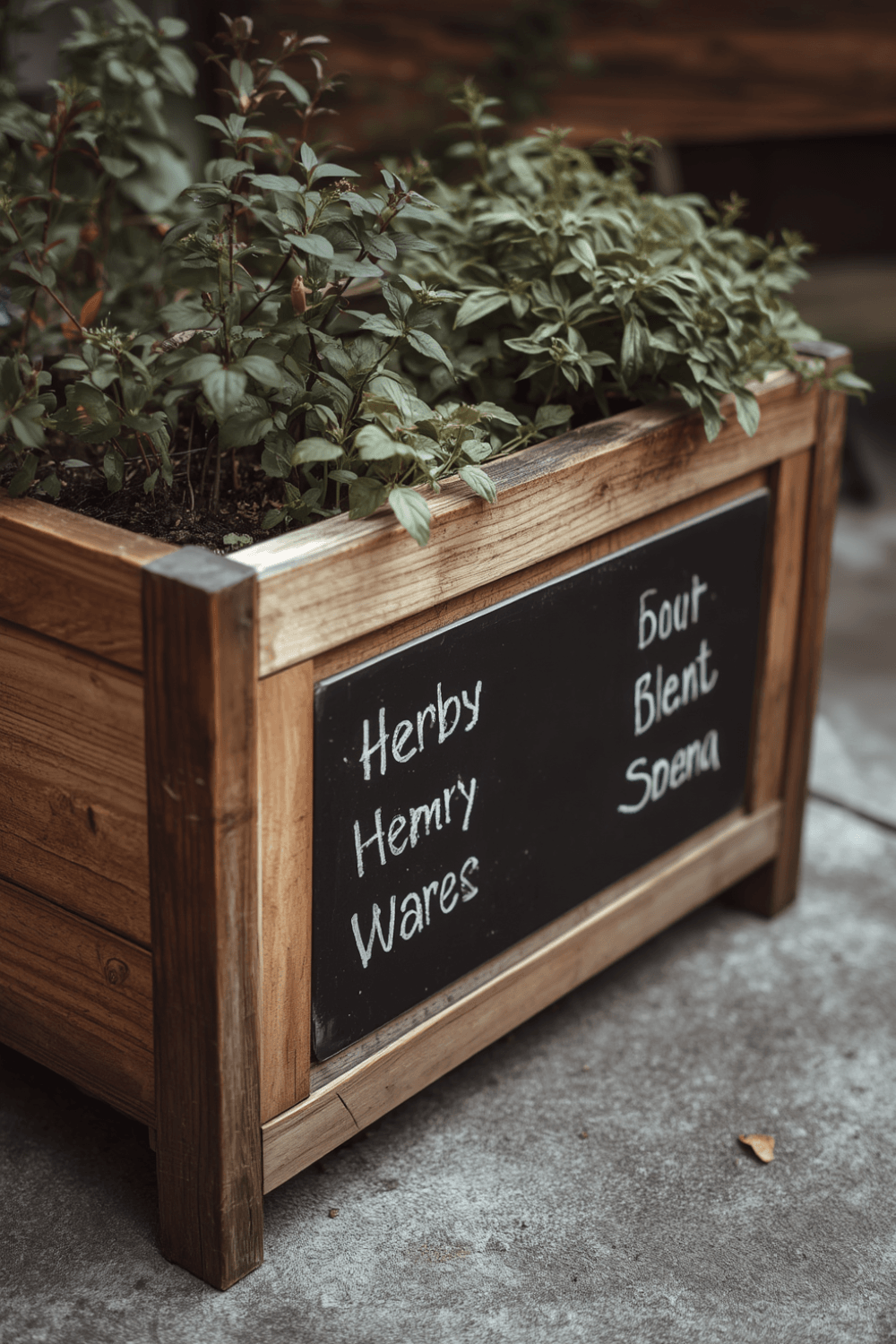
Build a basic wooden planter DIY box from pallet planks, then add a strip of chalkboard-painted wood across the front. Write the plant names in chalk. Easy to update when you replant each season.
9. Pallet Vegetable Garden Bed
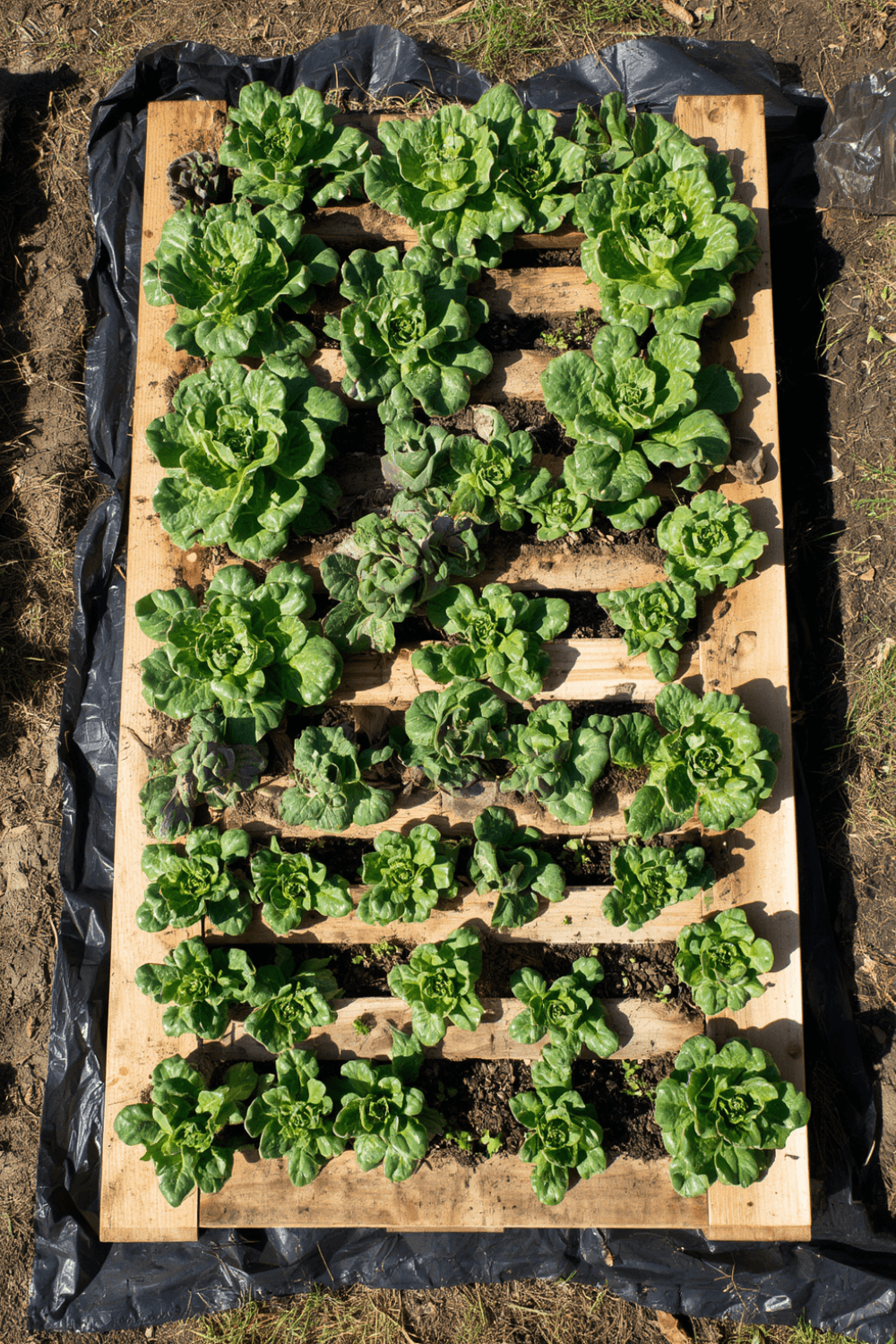
Line the inside with thick plastic sheeting (staple it to the wood), fill with a good garden mix, and you’ve got a pallet planter for vegetables that drains well and keeps roots protected. Ideal for lettuce, kale, radishes, or green beans.
10. Painted Patio Planter Box
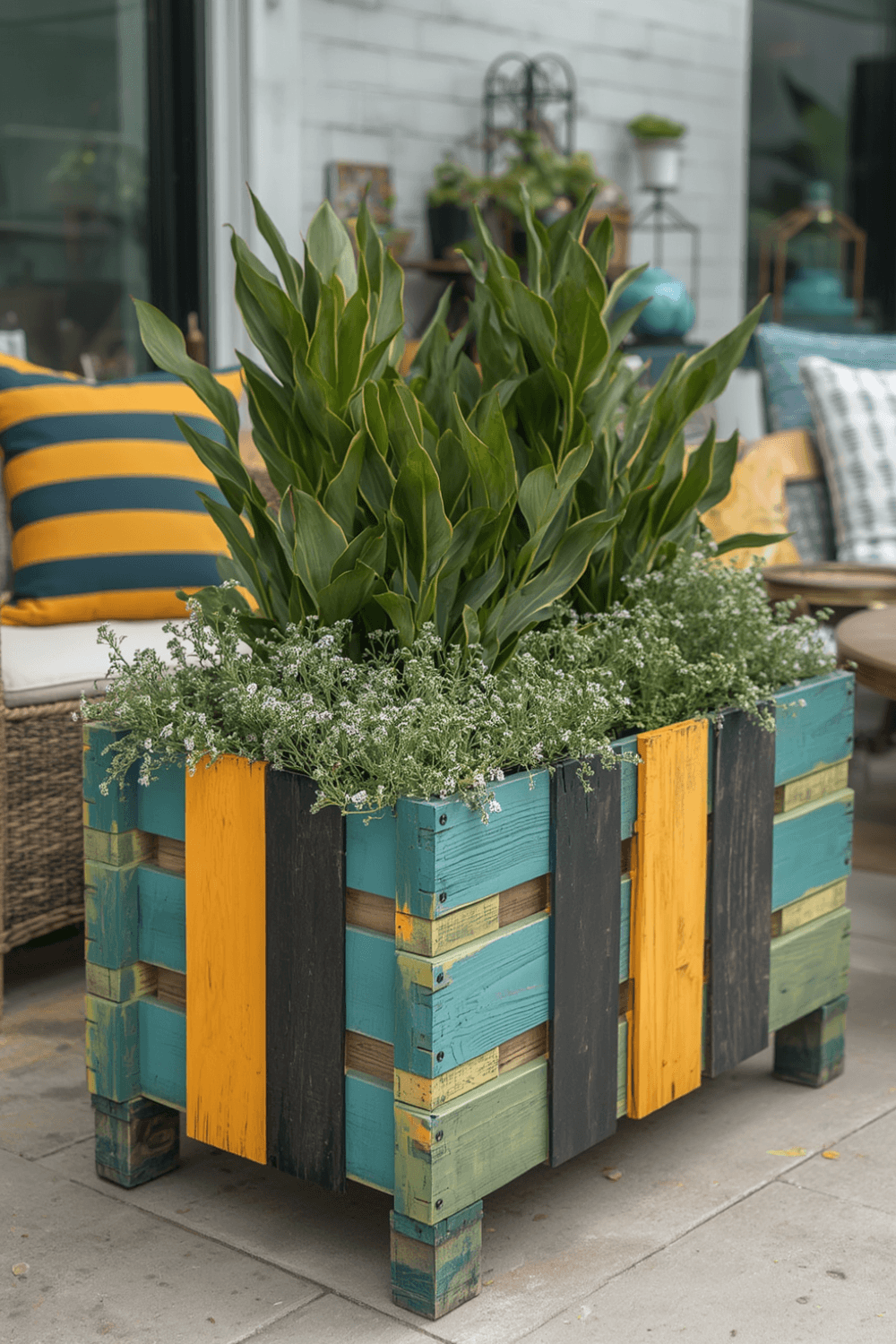
This is where you can get a little creative. Sand the pallet boards smooth, prime them, and paint in a pattern — stripes, color blocks, or even a simple geometric design. A colorful patio planter box like this makes a real statement near a front door or on a deck.
11. Natural Wood Stained Planter
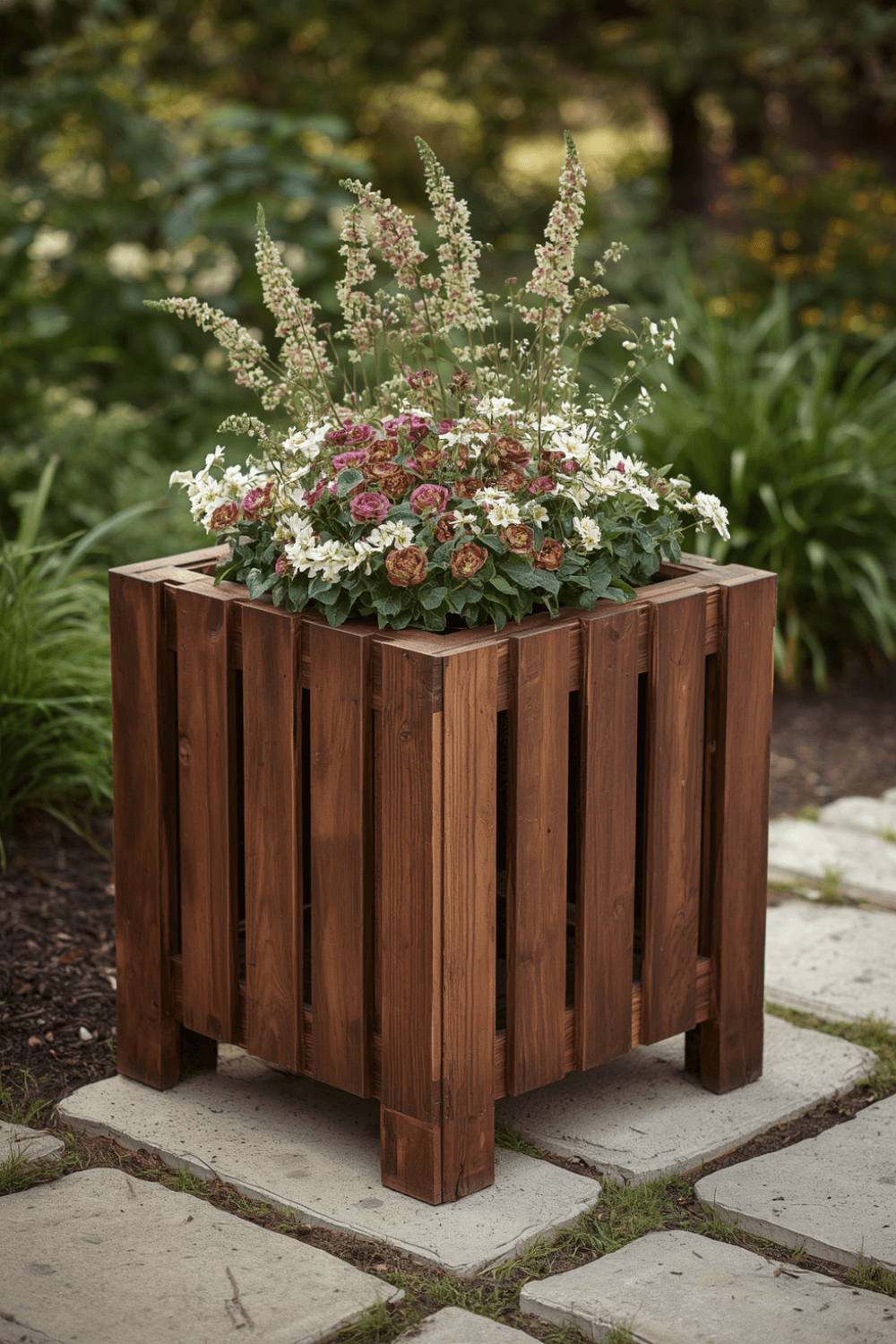
If you want the wood grain to show, skip the paint and use a good outdoor wood stain in walnut, cedar, or honey oak tones. A rustic garden planter with a clear or lightly tinted finish weathers beautifully over time.
12. Pallet Planter on Wheels
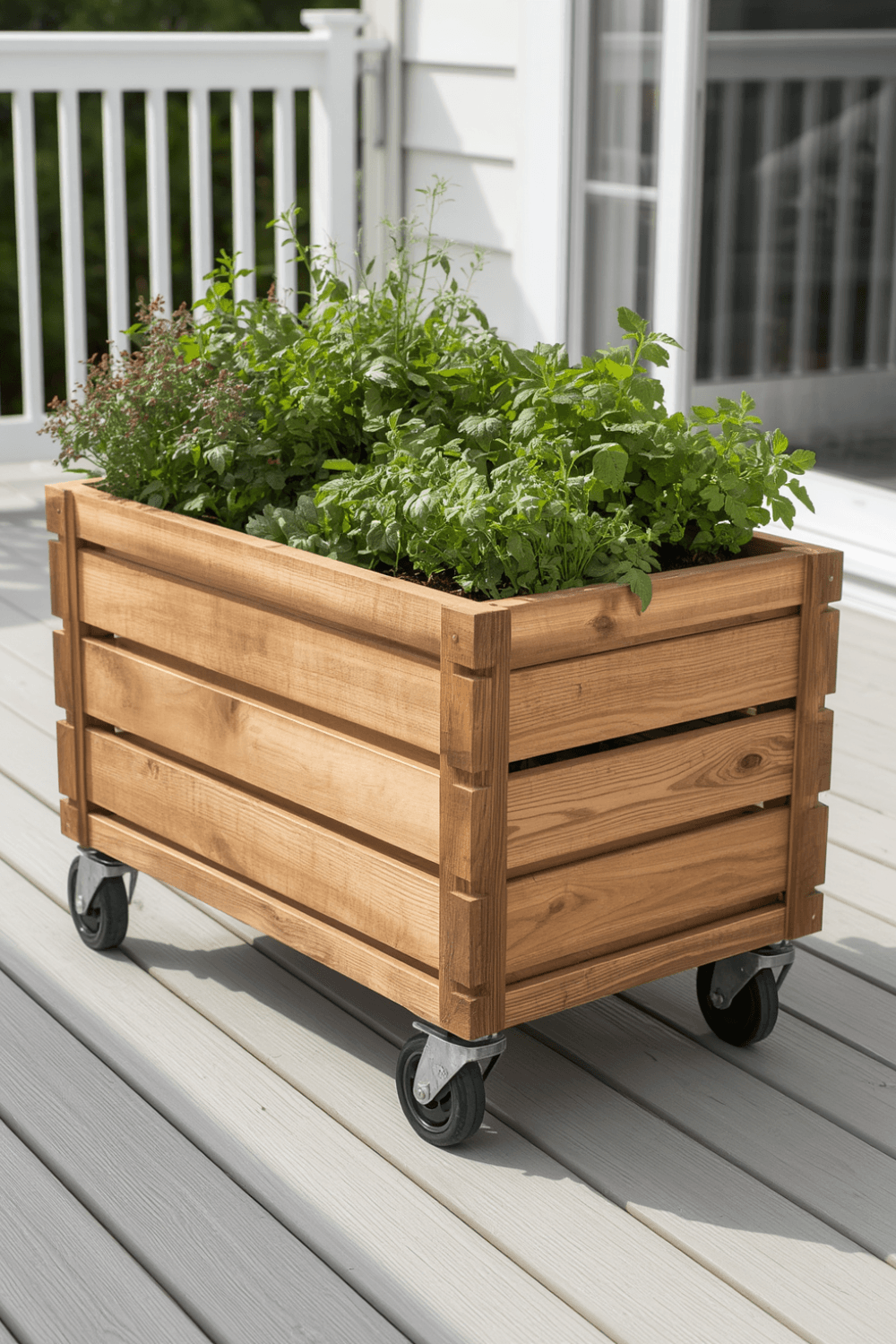
Attach four heavy-duty caster wheels to the base of your planter box. Now you can move it around to follow the sun, bring it inside during cold snaps, or just rearrange your patio layout whenever you feel like it. This is especially useful for larger raised pallet planter boxes that would otherwise be impossible to shift.
13. Succulent Pallet Display
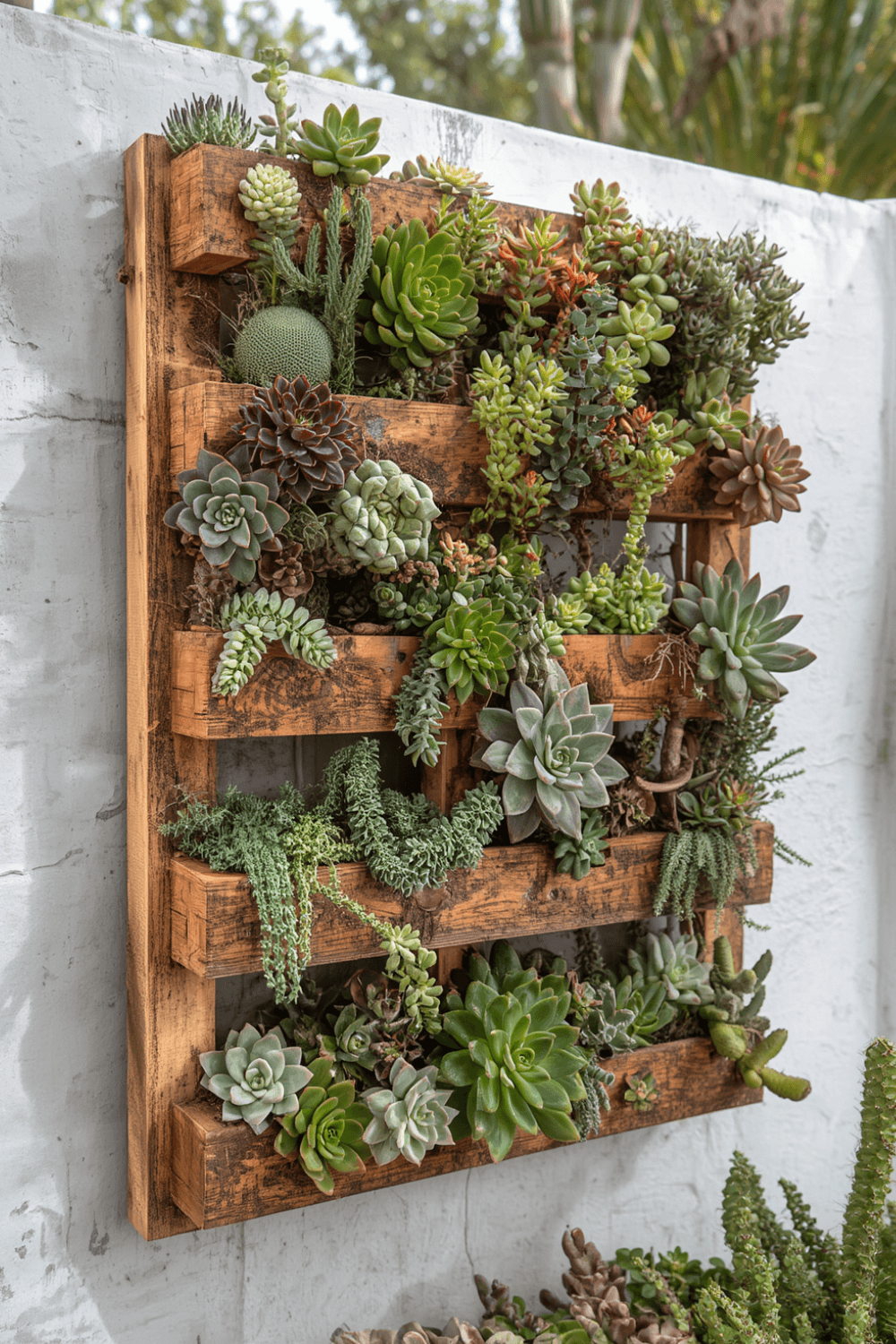
Succulents need very little soil depth, which makes them perfect for a vertical pallet planter. Use a fast-draining cactus mix, plant a variety of succulents in each slat, and let the planter lay flat for a few weeks while the plants take root before standing it upright. The result looks like living wall art.
14. Pallet Fence Planter
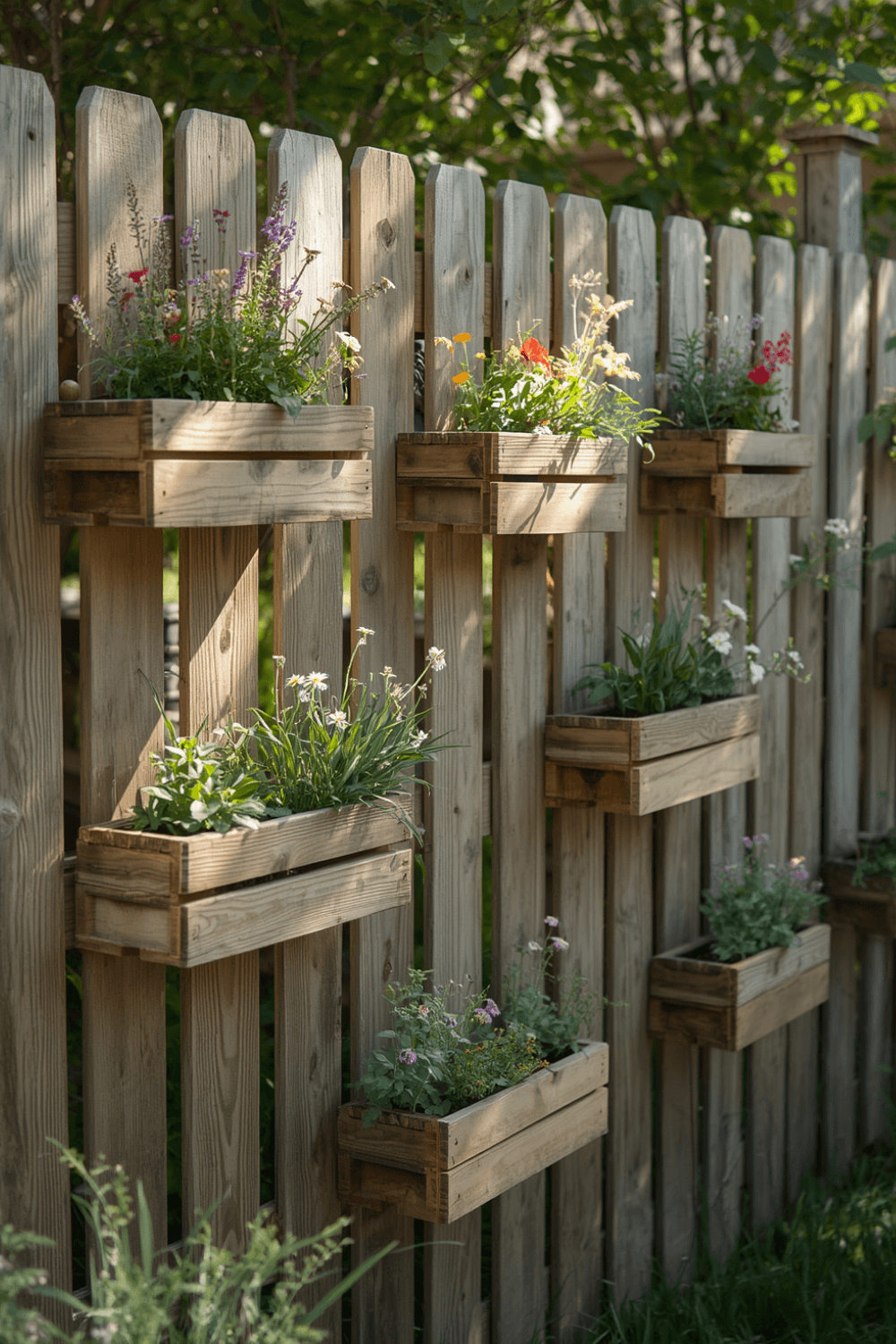
If you have a wooden fence, attach small pallet wood boxes directly to it at various heights for a scattered, organic look. Each box can hold a different plant or flower. It’s one of those backyard planter ideas that looks planned without being rigid.
15. Double-Stacked Herb and Vegetable Planter
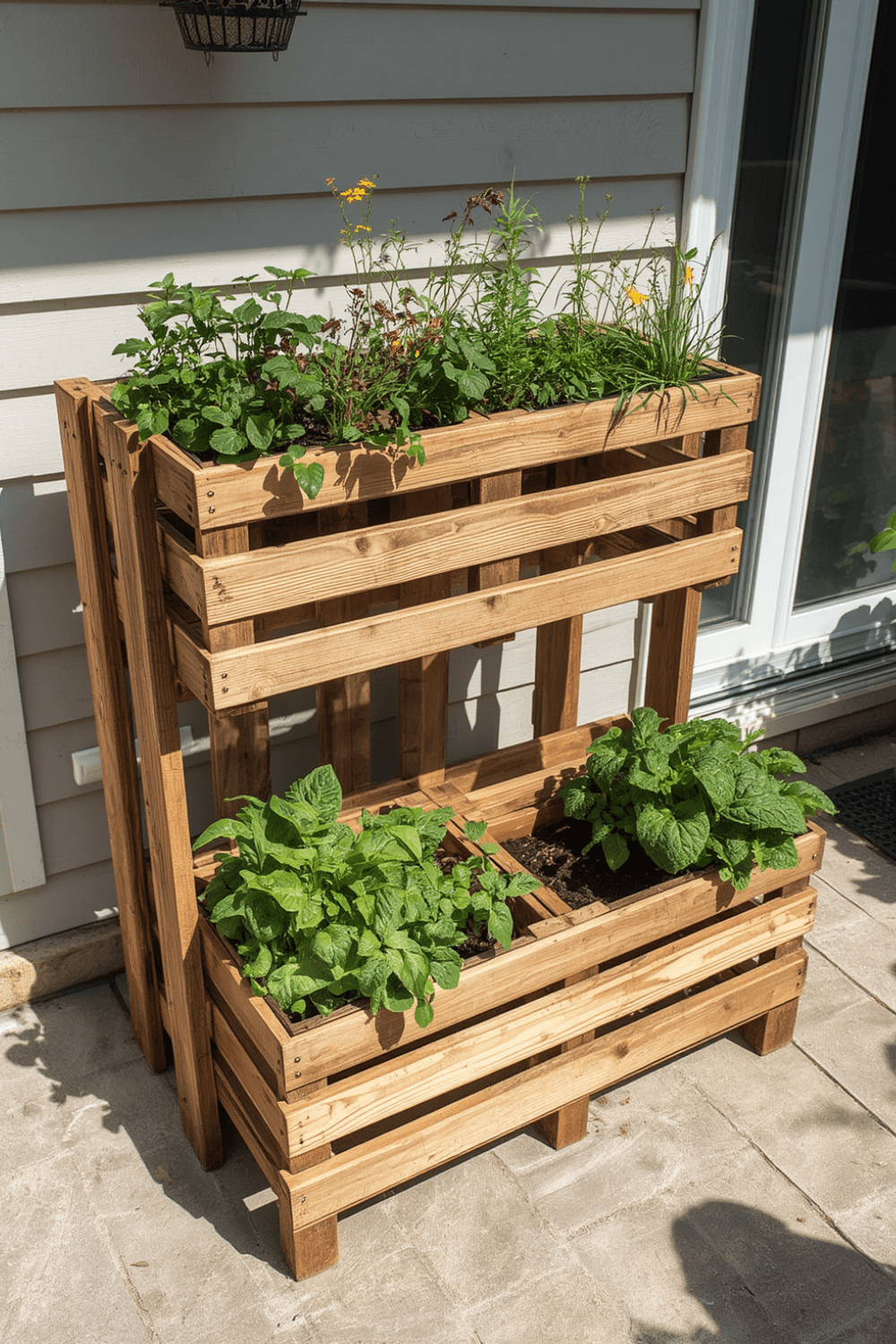
Build a two-level pallet planter: the top level for herbs (shallower soil), the bottom for vegetables (deeper roots). You save space, keep things organized, and the whole setup looks intentional and tidy.
16. Rustic Log-Edge Pallet Box
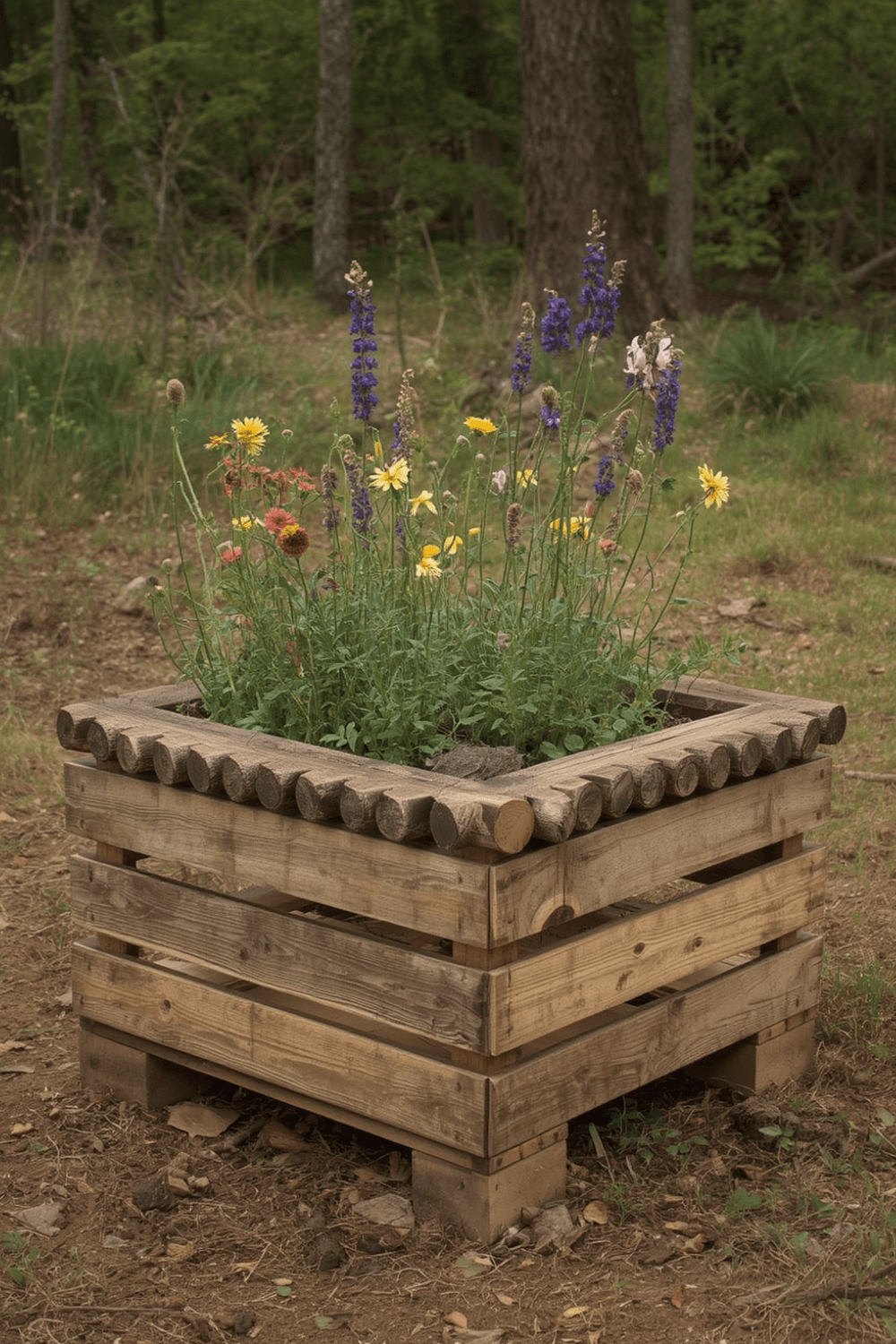
Use pallet planks for the main body and add half-log edging around the top rim for a more finished, natural look. Sand the log pieces smooth before attaching. This is one of those DIY wooden planter box builds that people always ask about at outdoor gatherings.
17. Pallet Planter with Built-In Trellis
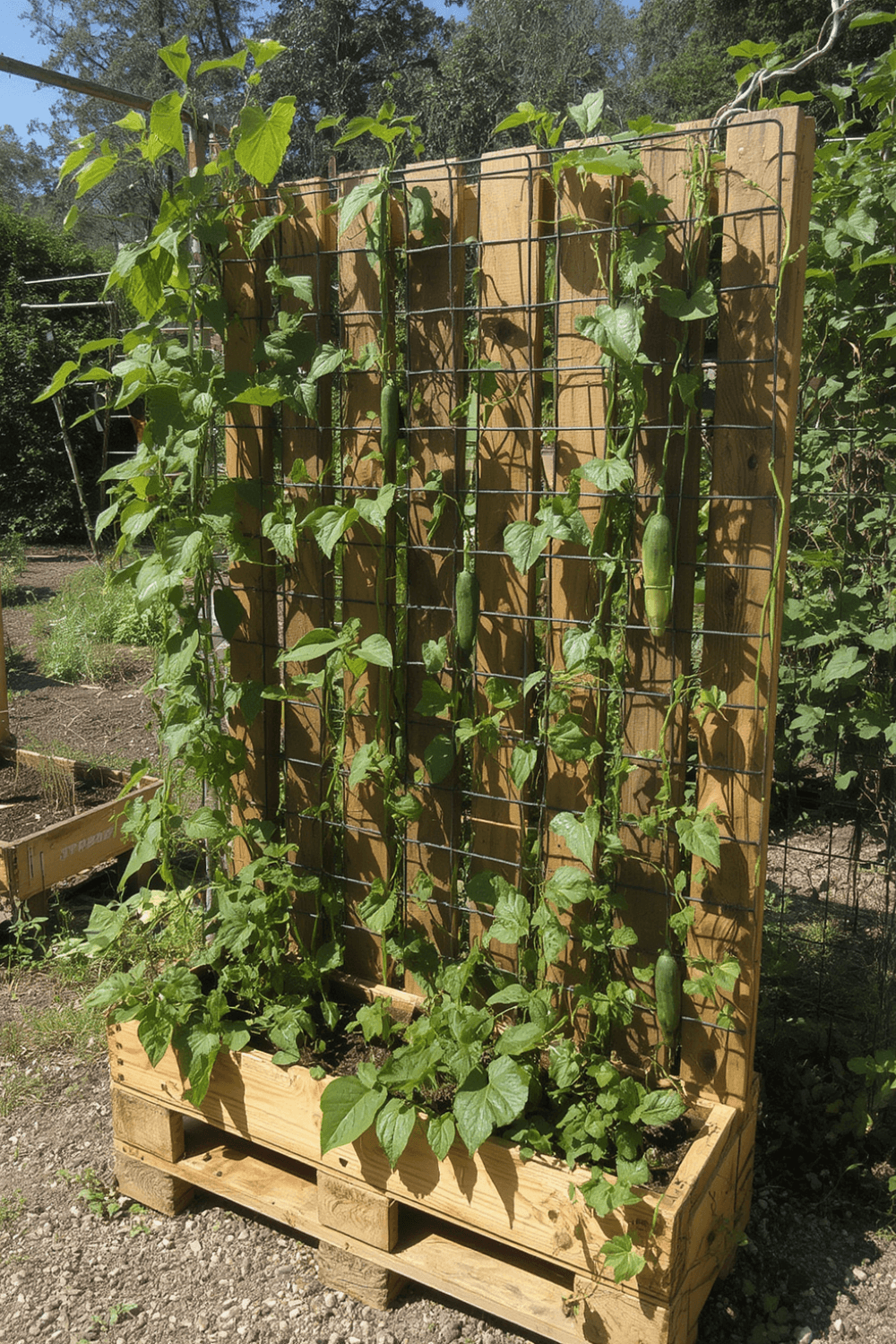
Extend the back boards of your planter upward and string wire or twine between them to create a vertical trellis. This is ideal for climbing plants — beans, cucumbers, sweet peas, or small pumpkins.
18. Painted Ombre Pallet Planter
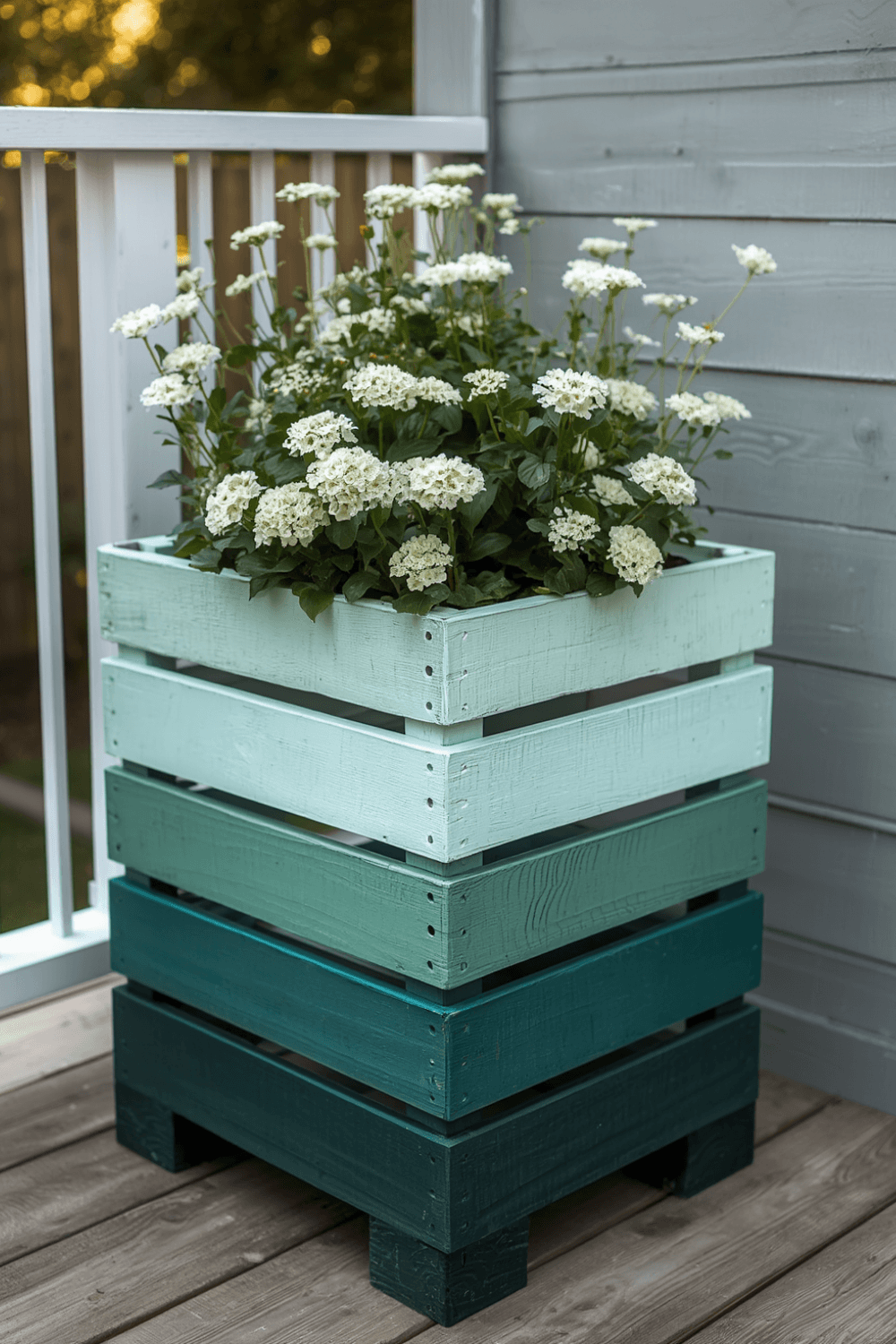
Paint each horizontal board of the planter a slightly different shade of the same color — from dark at the bottom to light at the top, or the other way around. It’s a simple technique that looks far more sophisticated than it is.
19. Pallet Planter Bench Combo
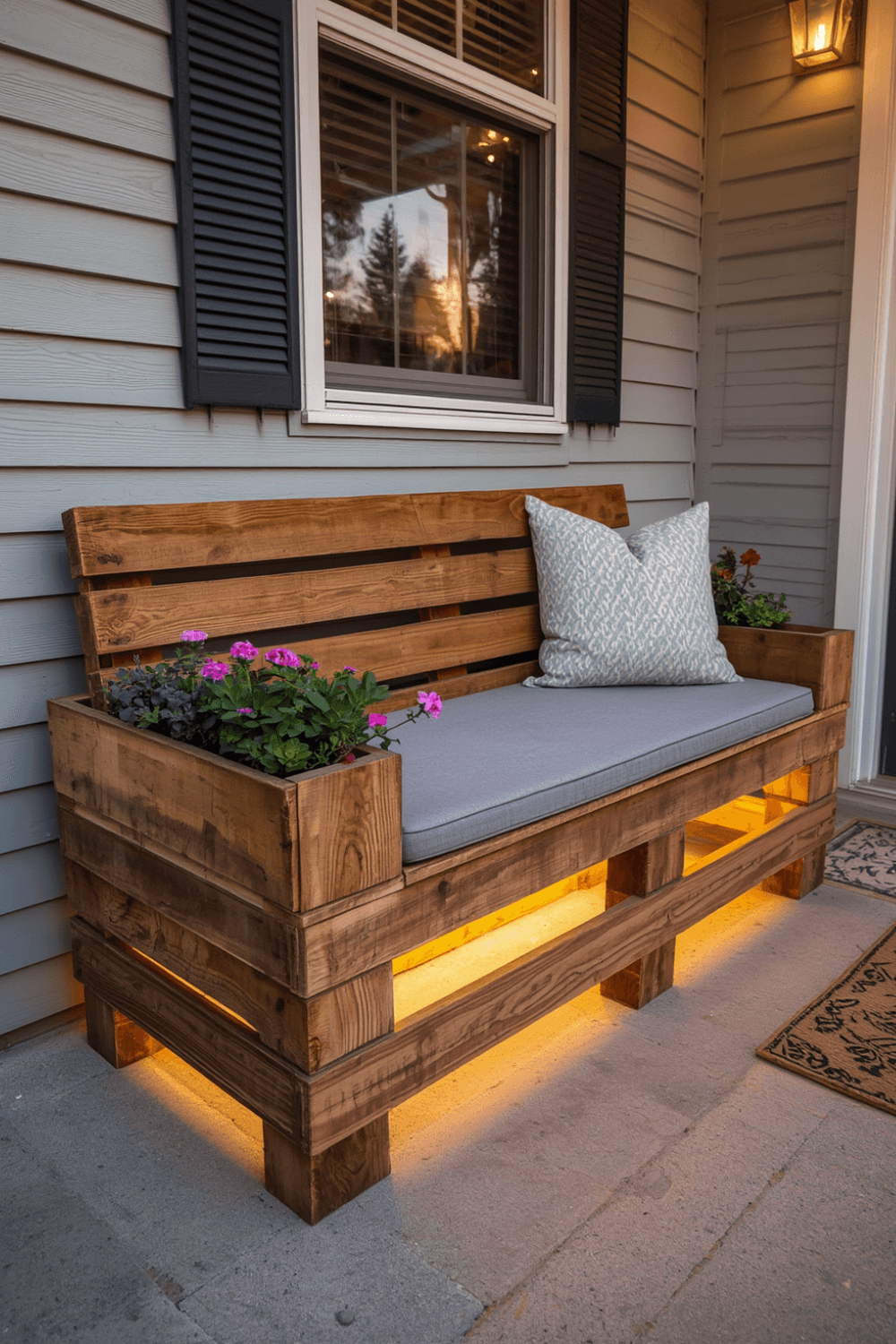
Build a box frame from pallet planks and add a flat sitting surface on one end. You get a planter and a bench in one piece, which is practical for small patios or front porches where space is tight.
20. Kids’ Easy Pallet Planter Project
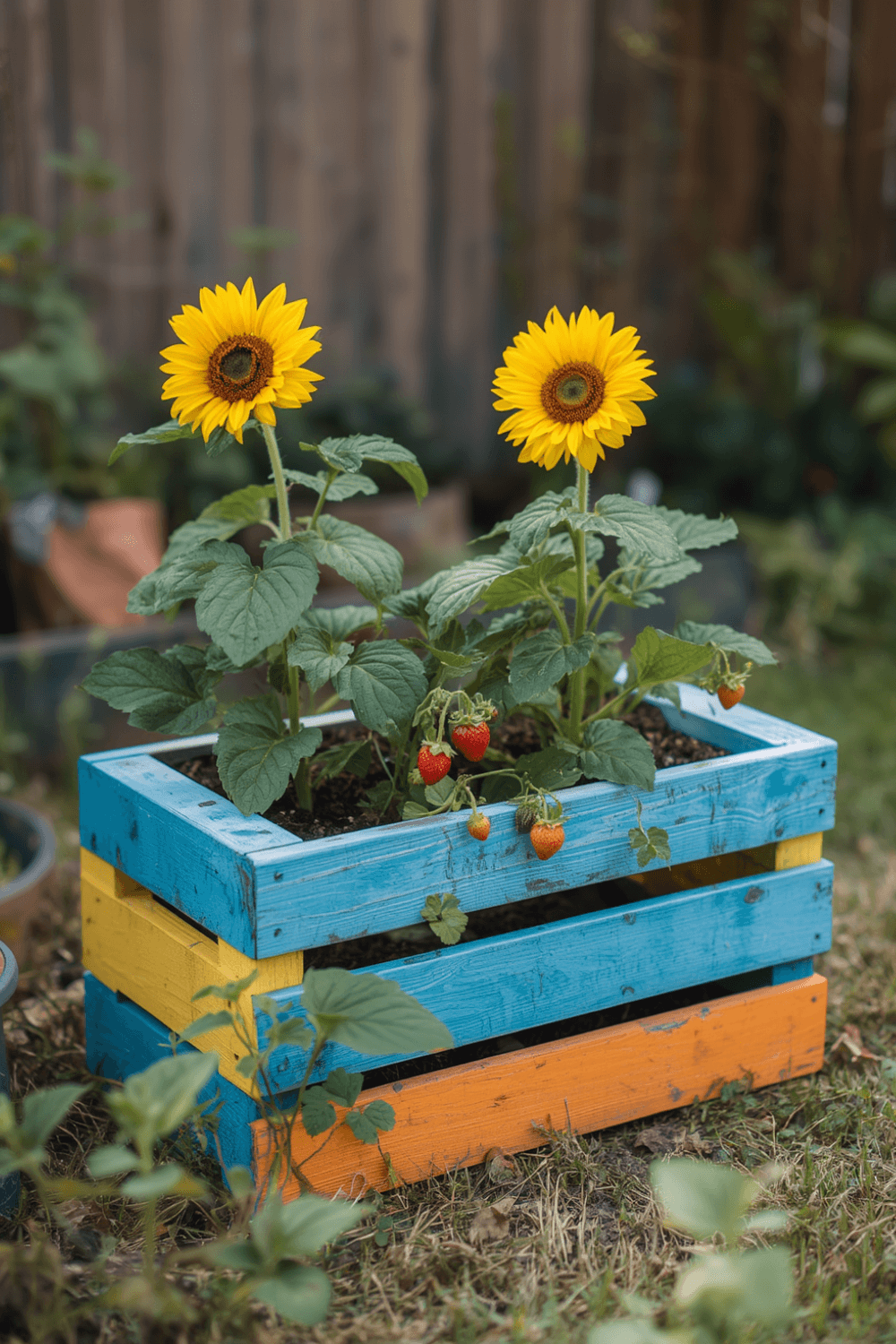
Scale down to a quarter-pallet size, let the kids paint it however they want, and let them pick what to grow. Sunflowers, cherry tomatoes, and strawberries are reliable choices that kids can actually watch change over a few weeks. It’s one of the best easy pallet planter projects for families.
How to Build a Basic Pallet Wood Planter Box (Step by Step)
You don’t need woodworking experience to do this. A basic DIY pallet wood planter box requires only a few tools and a free afternoon.
What you’ll need:
- 1-2 HT-stamped pallets
- Circular saw or handsaw
- Hammer and nails, or a drill and screws
- Sandpaper (80 and 120 grit)
- Landscape fabric or heavy plastic sheeting
- Staple gun
- Exterior wood stain or paint (optional but recommended)
- Potting mix
Steps:
Step 1 — Disassemble or use as-is. Decide whether you want to use the pallet whole or break it down into individual planks for a custom build. For most beginners, using the pallet whole and boxing in the sides is the fastest approach.
Step 2 — Sand the wood. Pallet wood can be rough. Start with 80-grit sandpaper to knock down the splinters, then follow up with 120-grit for a smoother finish.
Step 3 — Add backing boards. Nail or screw planks across the bottom and sides to create a closed box. Leave small gaps at the bottom for drainage.
Step 4 — Line the inside. Staple landscape fabric or plastic sheeting inside the box to hold soil. If using plastic, poke drainage holes in the bottom.
Step 5 — Treat the outside. Apply exterior wood stain, sealant, or outdoor paint. This extends the life of the wood significantly, especially if the planter will sit outside year-round.
Step 6 — Fill and plant. Use quality potting mix (not garden soil, which compacts too much in containers), plant your seeds or starts, and water well.
Best Plants for Pallet Planters
Almost anything will grow in a pallet planter, but some plants do especially well:
Herbs: Basil, parsley, cilantro, thyme, rosemary, chives, mint (keep mint in its own section — it spreads fast).
Vegetables: Lettuce, spinach, kale, radishes, cherry tomatoes, green onions, peppers.
Flowers: Marigolds, petunias, pansies, calibrachoa, impatiens, nasturtiums.
Succulents and cacti: Perfect for vertical planters in warm, dry climates.
Tips for Keeping Your Pallet Planter Looking Good
Seal the wood. Even if you skip the paint, a coat of outdoor sealant goes a long way. Reapply once a year.
Elevate the planter. Set it on bricks or pot feet so air can circulate underneath. This slows the rot that happens when wood sits directly on wet ground.
Water carefully. Pallet planters dry out faster than in-ground beds, especially in summer. Check the soil moisture every day or two during hot weather.
Replace soil annually. Old potting mix loses structure and nutrients. Fresh soil each spring gives your plants a better start.
Frequently Asked Questions
Are pallet wood planter boxes safe for growing vegetables?
Yes, with the right pallets. Always choose pallets stamped HT (heat treated). Avoid any marked MB (methyl bromide), which is a chemical fumigant that can contaminate soil. As an added precaution, many gardeners also line the interior of the box with heavy plastic sheeting to create a barrier between the wood and the soil.
How long do outdoor pallet planters last?
With basic care — sanding, sealing, and keeping the wood elevated off wet ground — a well-built pallet planter can last 3 to 5 years, sometimes longer. Untreated, you might get one or two seasons before the wood starts to deteriorate.
Do I need woodworking skills to build a pallet planter?
No. Most of the designs in this list require nothing more than basic measuring, cutting, and fastening. If you can drive a screw and follow simple steps, you can build a solid pallet wood planter box. The learning curve is very short.
How much do DIY pallet planters cost to build?
If you source free pallets and already own a drill or hammer, the main costs are soil, sealant, and any paint or stain you choose. Most builds come in under $30. Some cost almost nothing at all.
Can pallet planters be used indoors?
Yes, for the right plants. A small pallet herb planter works well in a sunlit kitchen or near a large window. Just make sure the box is properly sealed and lined to prevent moisture damage to your floors, and use saucers underneath to catch drainage.
Final Thoughts
A pallet wood planter box is one of those projects that genuinely punches above its weight. The materials are free or close to it. The build time is manageable for a weekend. And the result — a real, handmade planter that fits your space and reflects your style — is something you won’t find at any garden center.
Whether you’re starting with a single vertical pallet planter on your apartment balcony or building out a full backyard pallet garden with raised beds, trellises, and a flower wall, the steps and ideas in this guide will get you there.
Pick one idea that excites you, source a couple of good HT pallets, and get started. Your garden will thank you.
Ready to start your first pallet planter build? Share your progress in the comments — or pin this article so you can come back to it when you’re ready to tackle your next project.
1 thought on “20 DIY Pallet Wood Planter Box Ideas That Instantly Upgrade Your Garden”