My neighbor once spent three weekends building his golden retriever a dog house that looked like a tiny Swiss chalet, complete with a little chimney. The dog slept on the porch anyway. Lesson learned: a great dog house isn’t just about looking good on Pinterest — it has to actually work for your dog.
That said, there’s no reason it can’t be both. If you’ve been searching for DIY dog house ideas that balance function, comfort, and a little bit of “wow, you built that yourself?” charm, you’re in the right place. Let’s walk through everything from simple starter builds to backyard showstoppers.
Why Build a DIY Dog House in the First Place
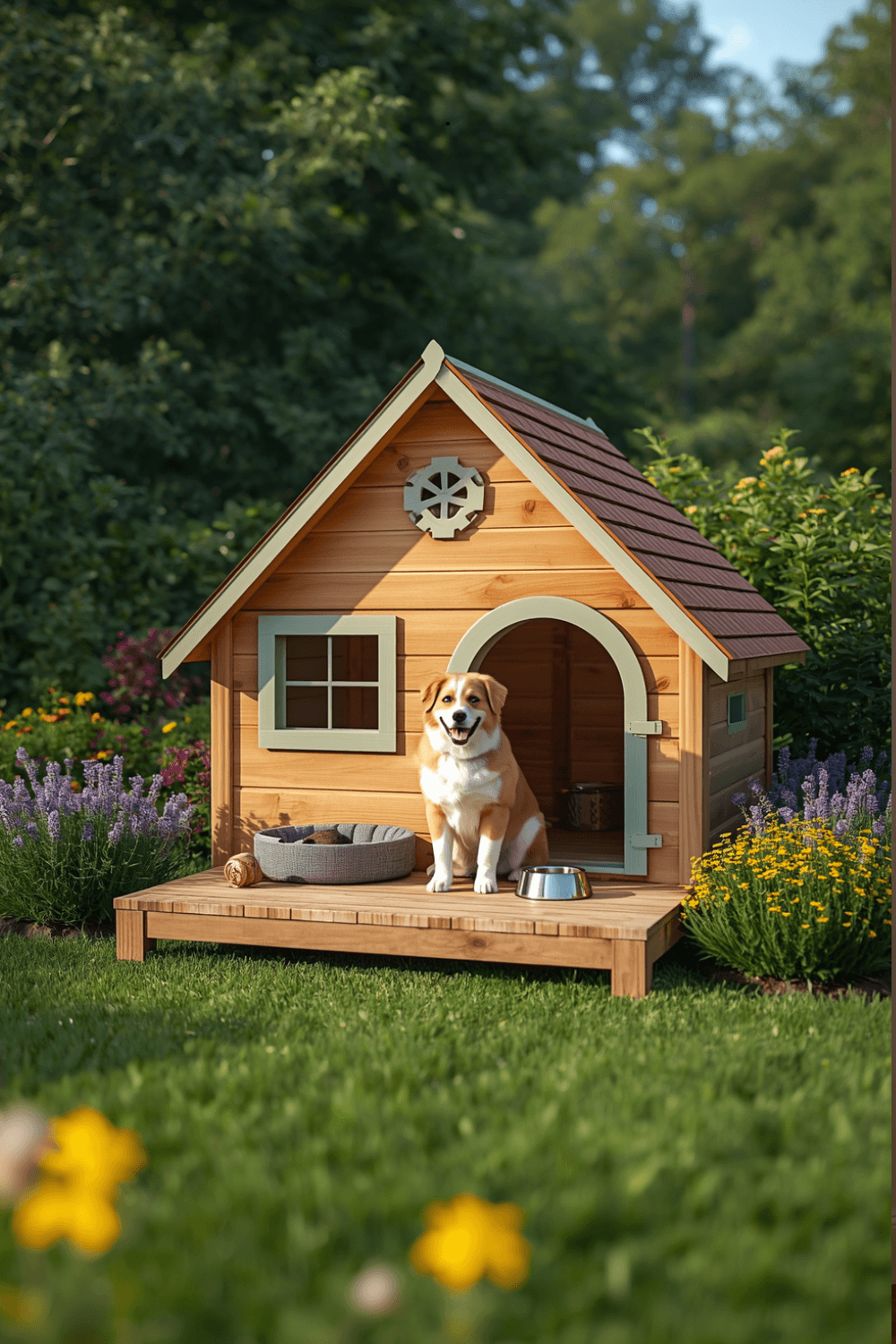
Store-bought dog houses aren’t bad, but they’re often generic, overpriced, or just… boring. Building your own gives you control over size, style, and materials — and honestly, it’s a satisfying weekend project.
A few real reasons people go the DIY route:
- Custom fit for your dog’s size and breed (a Great Dane and a Chihuahua have very different needs)
- Matches your backyard’s existing look, whether that’s rustic farmhouse or modern minimalist
- Cheaper than premium retail options, especially if you reuse materials
- You control the insulation and ventilation, which matters a lot in extreme climates
Plus, there’s something kind of wholesome about watching your dog curl up in a space you built with your own hands.
Getting Started: What to Think About Before You Build
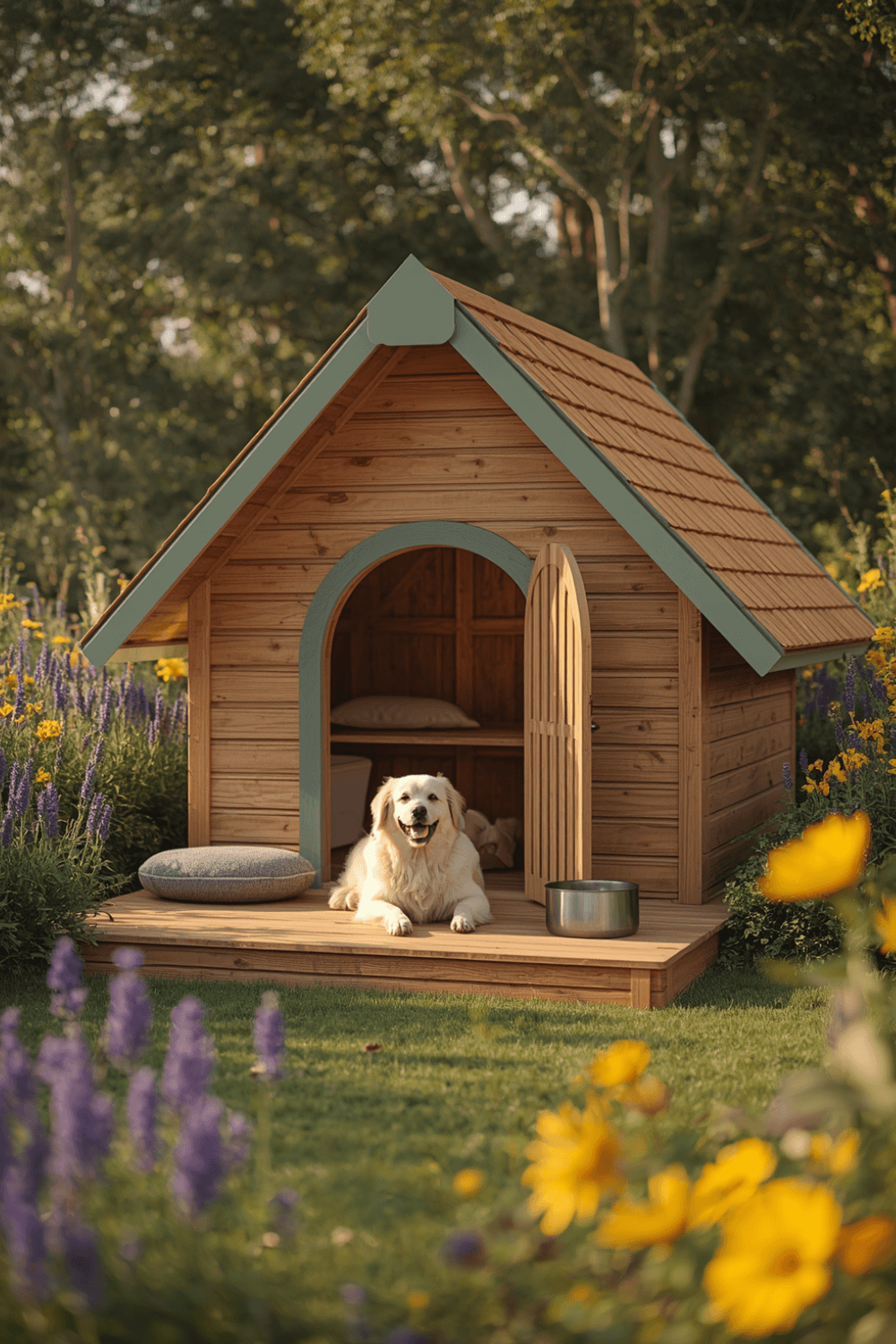
Before you grab a hammer, it helps to think through a few basics. This is where most first-time builders skip ahead and regret it later.
1. Size It Right
The house should be big enough for your dog to stand up, turn around, and lie down comfortably — but not so big that it doesn’t retain body heat in winter. A cozy fit actually helps keep dogs warmer.
2. Pick Weather-Appropriate Materials
- Wooden Dog House builds are the classic choice — they’re sturdy, insulate well, and look great with a bit of stain or paint.
- Cedar and pine are popular because they resist rot and don’t splinter easily.
- If you’re in a rainy climate, a slightly elevated floor keeps things dry.
3. Location Matters More Than You Think
Don’t just plop it in a random corner. Think shade in summer, some shelter from wind in winter, and a spot where your dog actually wants to hang out (dogs have opinions too).
DIY Dog House Ideas by Style
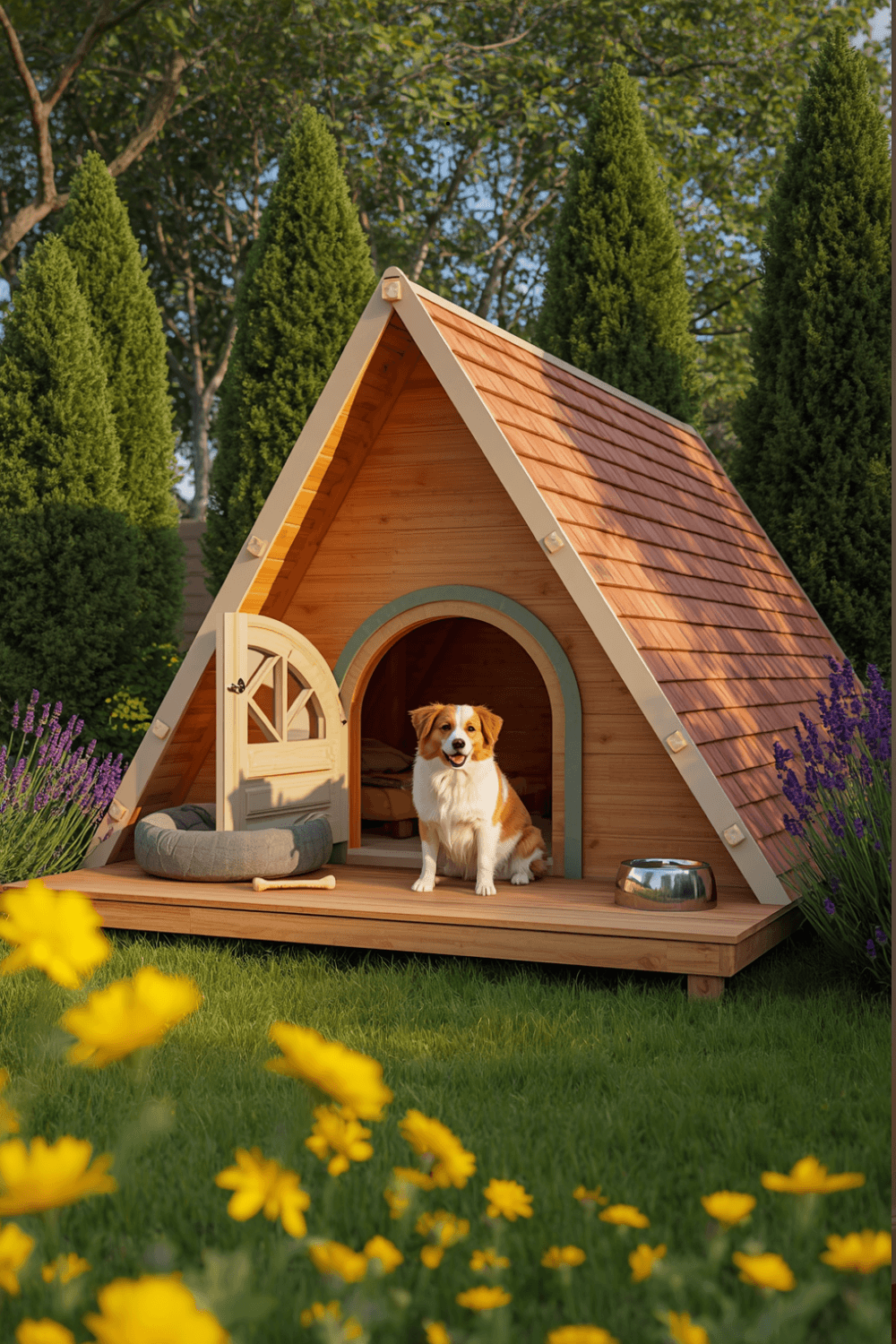
Here’s where it gets fun. Whether you want something simple or something that could star on a home renovation show, there’s a style for every skill level.
Rustic Dog House
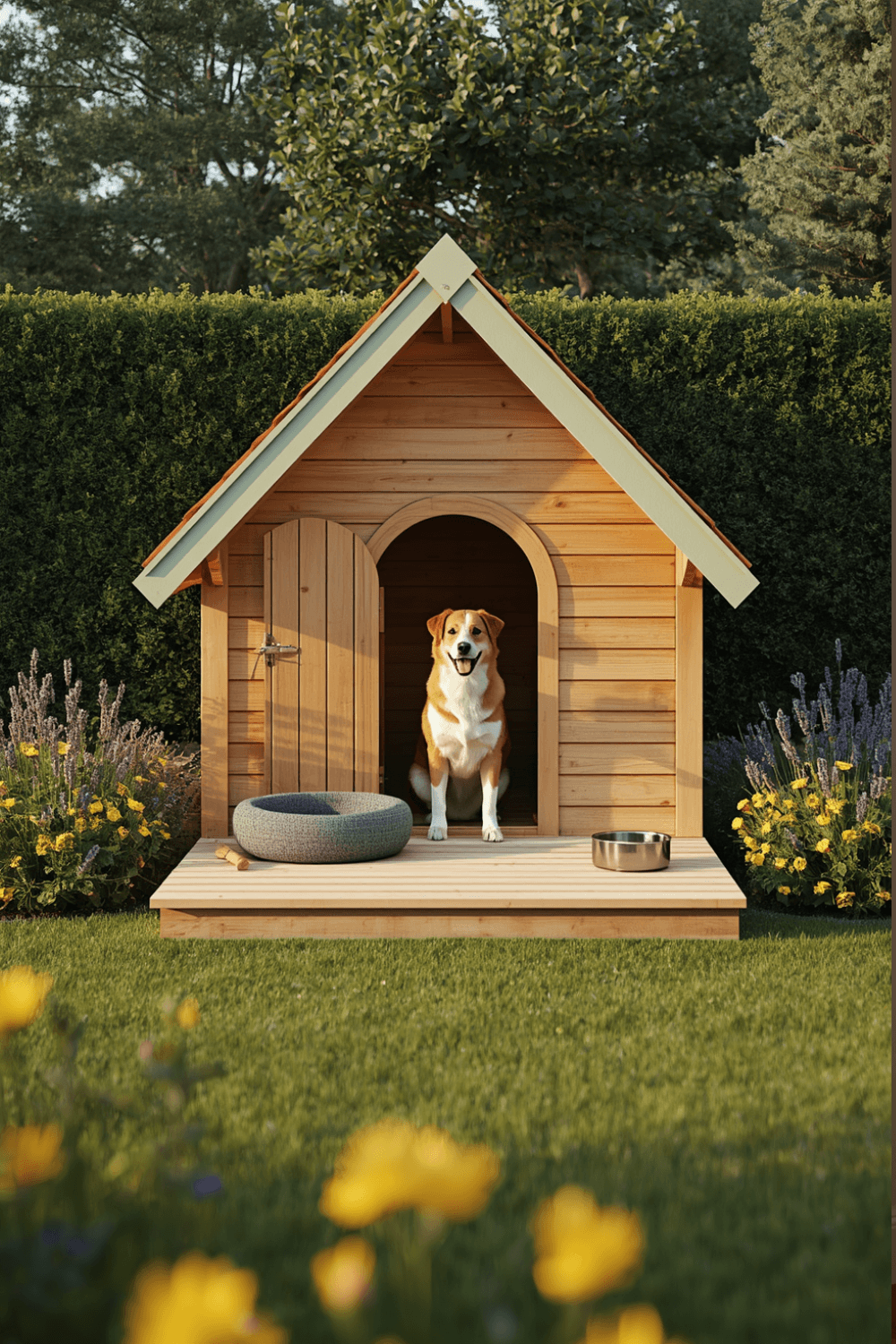
If your backyard already has that cabin-in-the-woods vibe, a rustic dog house fits right in. Think reclaimed wood siding, a slightly slanted roof, and hardware that looks intentionally weathered. Old fence panels or barn wood work beautifully here — and they’re often free or cheap from local reclaimed lumber yards.
Luxury Dog House
Yes, this is a real category, and yes, it’s as extra as it sounds. A luxury dog house might include:
- Shingled roofing to match your actual house
- A small covered porch area
- Interior lighting or a heated pad
- Painted trim and shutters (purely aesthetic, purely delightful)
If you want your dog house to look like a mini version of your home, this is the direction to go.
Cute Dog House Ideas for Small Breeds
Not every dog needs a mansion. Small dog house ideas work great for breeds like Pomeranians, dachshunds, or terriers who don’t need a ton of square footage but still deserve a stylish spot to nap.
Some fun approaches:
- A candy-colored “cottage” with a Dutch door
- A pastel-painted A-frame with a tiny welcome mat
- A repurposed wooden crate turned into a chic little den
These cute dog house ideas are also great beginner projects since the smaller scale means less material and less time.
Cozy Dog House for Colder Climates
If you live somewhere with real winters, a cozy dog house setup matters. Insulation is key here — foam board between the walls, a raised floor, and a flap door to block drafts can make a huge difference.
Some owners even add a small heated pad (specifically designed for outdoor pet use) for extra warmth on freezing nights.
Backyard and Garden Dog House Ideas
A dog house doesn’t have to sit awkwardly in the middle of your yard like an afterthought. With a little planning, it can actually enhance your outdoor space.
Garden Dog House Setups
Tuck a garden dog house into a shaded corner surrounded by dog-safe plants like rosemary, marigolds, or ornamental grasses. It creates a little “reading nook” feel — except it’s for your dog, not a book.
Dog House Landscaping Ideas
A few landscaping touches that make a real difference:
- Add a gravel or paver base so the area doesn’t turn to mud when it rains
- Plant shade-giving greenery nearby without blocking airflow
- Add a small fence or border to visually define the space
- Use mulch instead of grass right around the entrance — it holds up better to daily wear
These dog house landscaping ideas turn a simple structure into a designed feature of your yard, not just a box in the corner.
Building a Dog-Friendly Backyard Around It
Think bigger picture. A dog house works best as part of a broader dog-friendly backyard setup — shaded resting spots, a water station nearby, and maybe a patch of turf or mulch instead of harsh gravel where your dog walks most.
If you’re already investing time into pet-friendly garden ideas, the dog house should feel like the natural centerpiece, not a separate project bolted on afterward.
Outdoor Dog House Ideas That Double as Shelter
Sometimes the goal isn’t decoration — it’s protection. If your dog spends real time outside, focus on function first.
Good outdoor pet shelter ideas include:
- A slanted or sloped roof so rain and snow slide off instead of pooling
- An elevated floor (even just a few inches) to avoid ground moisture and cold
- A door flap made of heavy vinyl to block wind without trapping your dog inside
- Proper ventilation gaps near the roofline so it doesn’t get stuffy in summer
Function-first builds don’t have to be ugly, either — a clean, simple design with good proportions often looks better than an overly decorated one anyway.
Simple Step-by-Step: Building a Basic Wooden Dog House
If you want a straightforward project to start with, here’s a general outline:
- Measure your dog — length, height, and width while standing, then add a few extra inches for comfort.
- Build the floor frame using treated lumber so it resists moisture.
- Attach the walls with exterior-grade screws (not just nails — trust me, they hold better long-term).
- Add the roof, sloped slightly for drainage, with shingles or waterproof roofing material.
- Cut the door opening slightly off-center if you want extra wall protection from wind.
- Seal and paint or stain the exterior for weather resistance.
- Add bedding — a washable pad or blanket works great.
Sounds simple when it’s written out like that, right? It mostly is — the biggest mistake beginners make is skipping the sealant step, which shortens the house’s lifespan significantly.
Common Mistakes to Avoid
- Making it too big. Dogs actually prefer snug spaces for warmth and security.
- Skipping ventilation. Even in winter, some airflow is necessary.
- Placing it in full sun with no shade. It can turn into an oven by afternoon.
- Using non-weatherproof paint. It’ll peel and crack within a season.
- Forgetting the door size. Too small, and your dog won’t use it; too big, and it lets in drafts.
Suggested Related Topics to Explore
If you’re diving deeper into backyard projects for your pets, these related topics pair well with this guide:
- Best Dog-Safe Plants for Backyard Landscaping
- How to Insulate an Outdoor Dog House for Winter
- DIY Dog Run and Fencing Ideas for Small Yards
Final Thoughts
At the end of the day, the best DIY dog house ideas are the ones that fit your dog’s actual habits, your climate, and your yard’s layout — not just whatever looks cutest online. Start with the basics (size, ventilation, weatherproofing), then have fun with the style once the fundamentals are covered.
Your dog isn’t going to judge your carpentry skills. They just want somewhere cozy to call their own. So pick a design, grab some wood, and get building this weekend — your backyard (and your pup) will thank you.
Frequently Asked Questions
1. How big should a DIY dog house be? A good rule of thumb is 1.5 times your dog’s length and enough height for them to stand comfortably without crouching. Too much extra space actually makes it harder to stay warm.
2. What’s the best wood for a dog house? Cedar and pine are popular because they’re durable, resist rot, and don’t splinter easily. Avoid treated wood on interior surfaces since some treatments aren’t safe for pets to chew on.
3. Does a dog house need insulation? If you live somewhere with cold winters or hot summers, yes — insulation makes a real difference. Foam board between the walls or a simple straw-lined interior can help regulate temperature.
4. How do I keep my dog’s house from getting too hot in summer? Placement matters most — put it somewhere shaded for at least part of the day. Ventilation gaps near the roofline also help air circulate instead of trapping heat inside.
5. Can I build a dog house without power tools? You can, though it’ll take longer. Basic builds are possible with a handsaw, hammer, and nails, but a drill and circular saw will save you a lot of time and effort.
6. How much does it cost to DIY a dog house compared to buying one? Costs vary, but a basic DIY build using reclaimed or budget lumber can run noticeably cheaper than a comparable store-bought version, especially once you factor in customization you’d otherwise pay extra for.
7. Should the dog house door face a specific direction? In colder or windier climates, it helps to face the door away from prevailing winds — this small adjustment can make the interior noticeably warmer and more comfortable.