Your Garden Doesn’t Need a Big Budget to Have a Beautiful Path
Here’s something most gardening blogs won’t tell you: the prettiest garden paths I’ve seen weren’t expensive. They were made with leftover bricks, free wood chips from a tree company, or simple gravel poured between two wooden boards. That’s it.
If you’ve been putting off adding a path to your backyard because you think it costs too much or requires special skills, this guide is going to change your mind. You’ll find 30 cheap DIY garden path ideas that work whether your outdoor space is a wide open yard or a narrow strip between two fences. Every single idea here can be done by a beginner on a weekend, without hiring anyone.
Let’s get into it.
Why Garden Paths Are Worth Building (Even on a Tight Budget)
Before the ideas, a quick word on why paths matter.
A garden without a path feels like a room without furniture. You have no natural way to move through it, and more importantly, you end up walking on your plants, compacting your soil, and mudding up your shoes every time it rains.
A path solves all of that. It directs foot traffic. It protects the areas you’re growing things in. And done right, it makes the whole yard look more intentional and put-together, even when everything else is still a work in progress.
The good news: you don’t need concrete, professional landscapers, or a big budget to get that result.
Section 1: Gravel Garden Path Ideas That Actually Look Good
Gravel is probably the most budget-friendly path material that exists. A bag of pea gravel runs about $5-$8 at most hardware stores, and a 50-pound bag covers roughly 4 square feet at 2 inches deep. For a 10-foot path, you’re looking at a very small spend.
1. Simple Pea Gravel Path with Landscape Edging
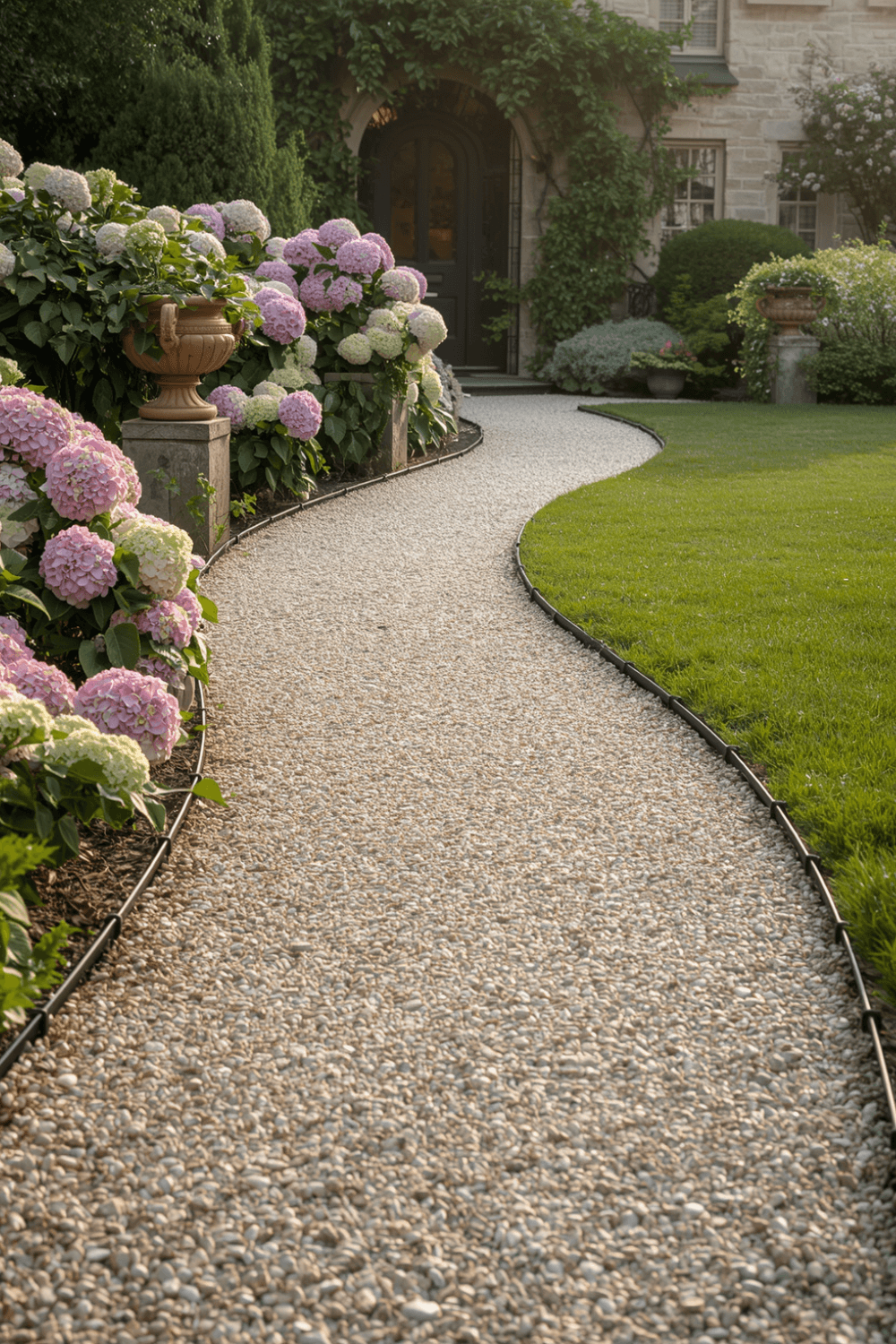
Dig down about 3 inches, lay landscape fabric to block weeds, pour in pea gravel, and edge it with flexible plastic or metal landscape edging. Done in an afternoon. Low maintenance garden path ideas don’t get simpler than this.
2. Gravel Between Stepping Stones
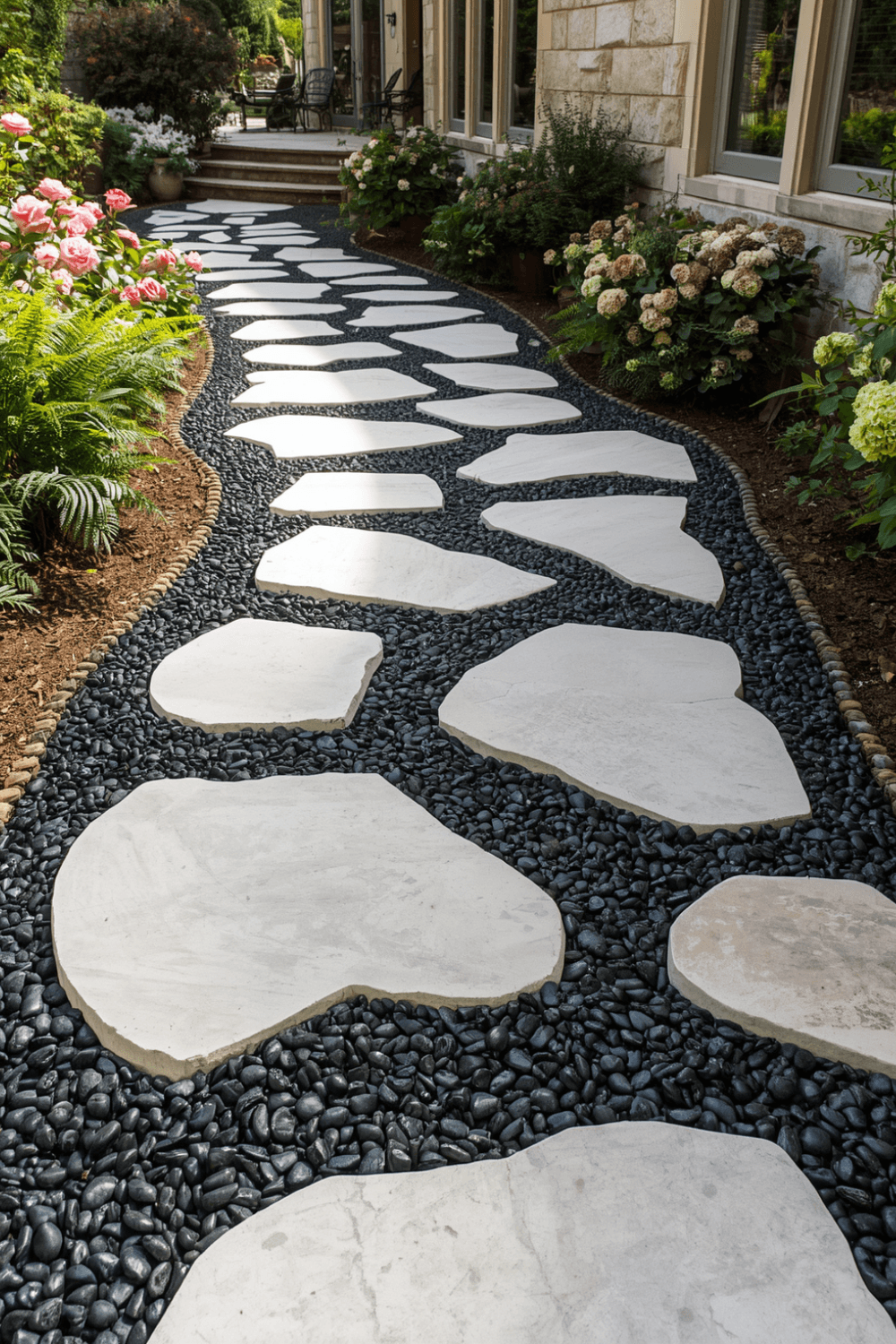
Set large flat stones into the soil at walking stride distance, then fill the gaps with fine gravel. The stones give you a clear place to step; the gravel fills out the look and handles drainage.
3. Crushed Stone Walkway with Timber Borders
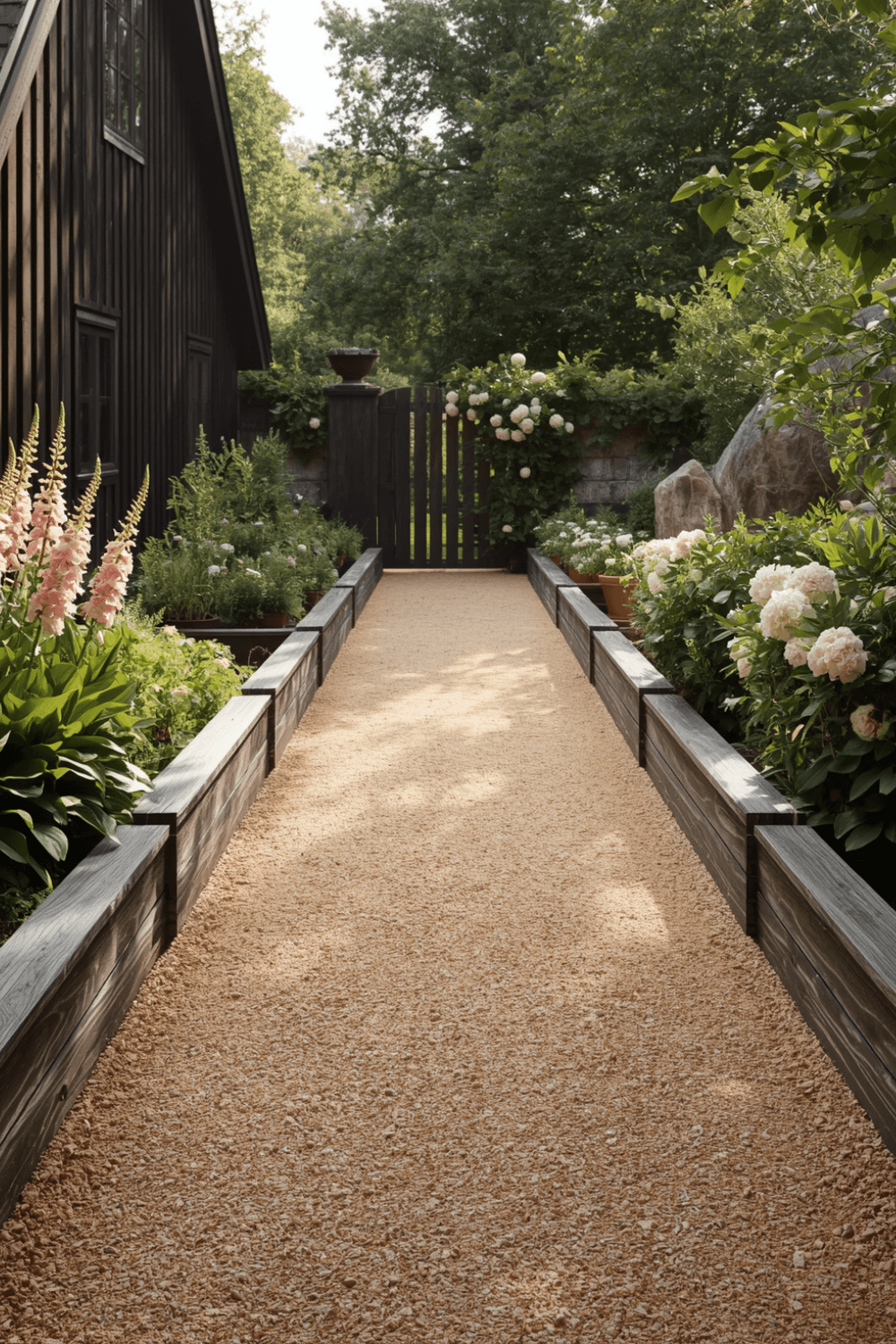
Railroad ties or rough-cut lumber on both sides of a crushed stone path give you that rustic garden path DIY look without spending much. The wood softens the appearance of the stone.
4. Colored Gravel Accent Path
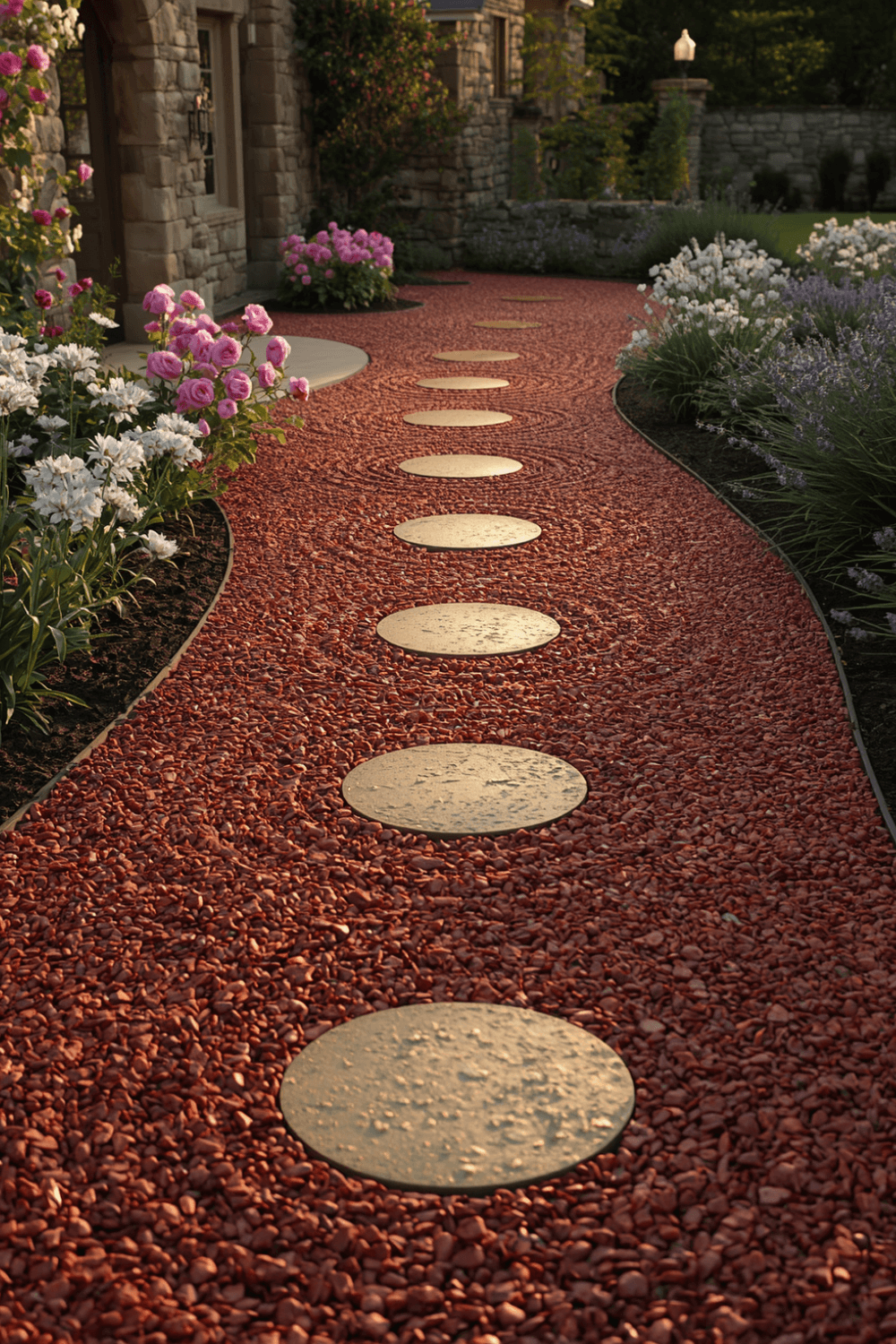
Standard gray gravel is fine, but if you want something that stands out, look for red or tan crushed stone. It photographs beautifully and costs nearly the same as standard gravel.
5. DIY Gravel Garden Path with Brick Edging
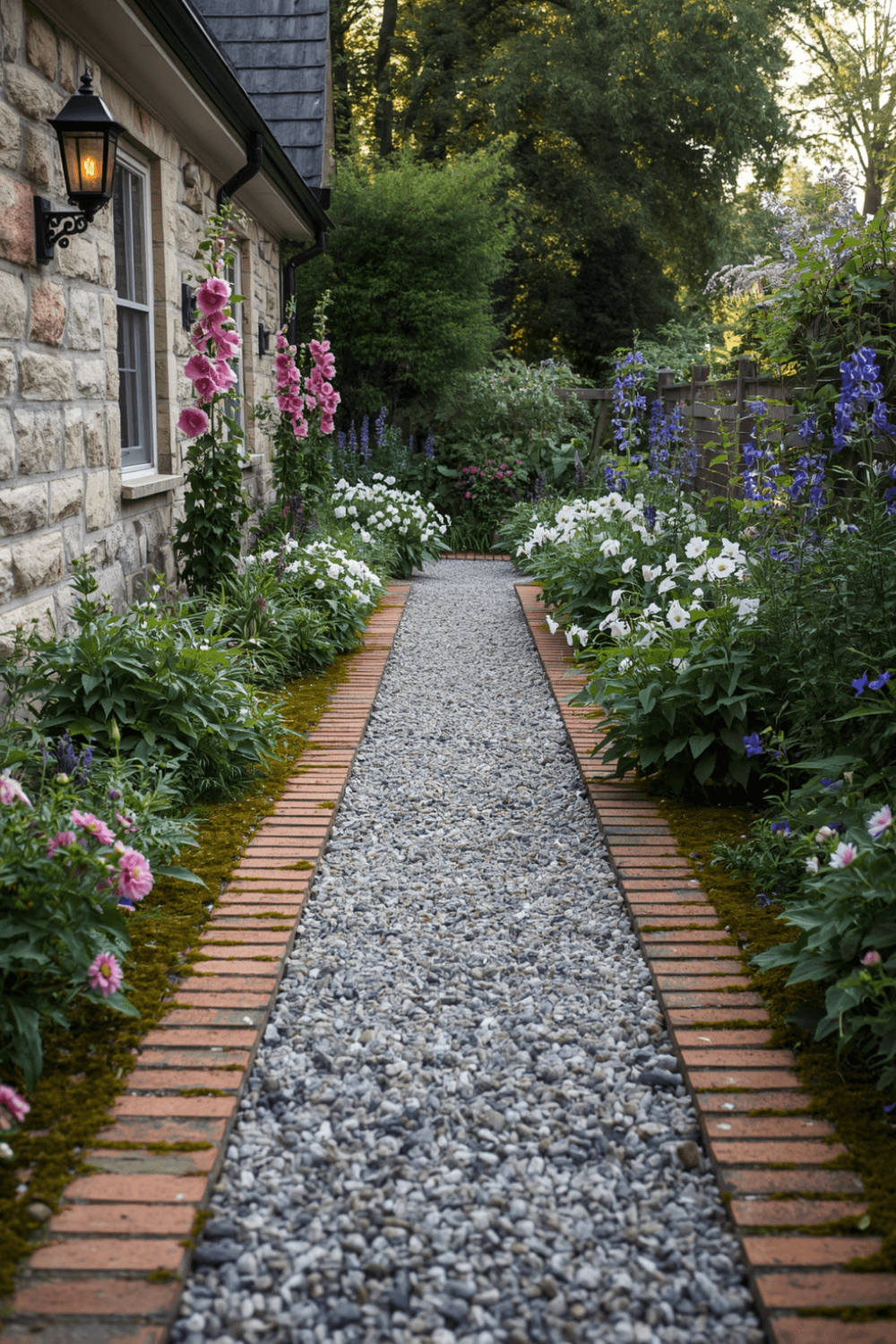
Lay used bricks on their side along both edges of your gravel path. You can often find used bricks for free or very cheap on Facebook Marketplace or Craigslist. The combination looks expensive and holds the gravel in place.
Section 2: Stepping Stone Path Ideas for Small Backyards
Stepping stone paths are great for small backyard garden path ideas because they use minimal material and can curve and wind in ways a solid path can’t. They also feel natural, like someone laid them by hand over time (because they did).
6. Concrete Stepping Stones from Molds
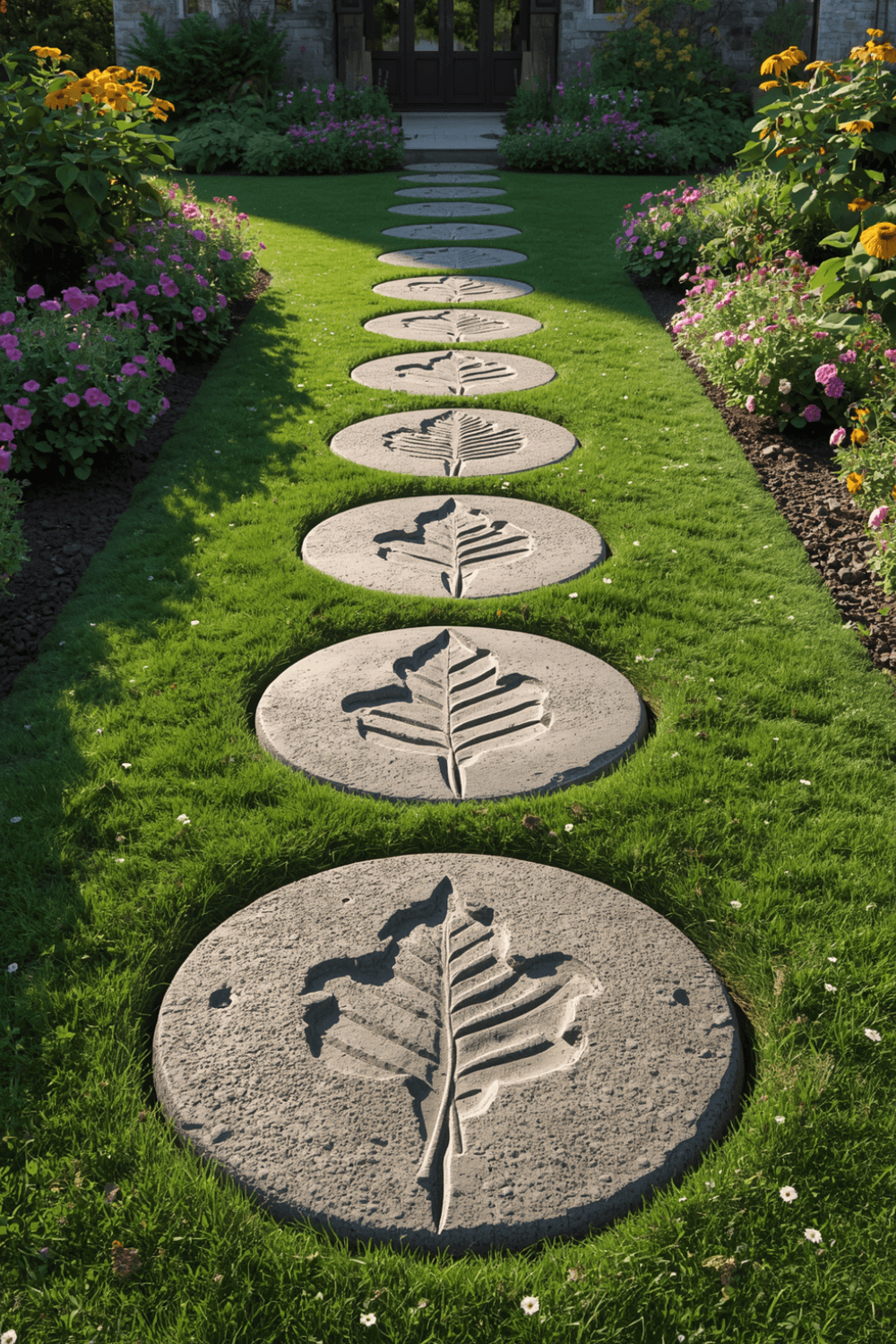
You can buy or make concrete molds and pour your own stepping stones for about $1-$2 each. Set them into the lawn at comfortable stride distance and you’re done. These hold up for years.
7. Large Natural Flat Rocks
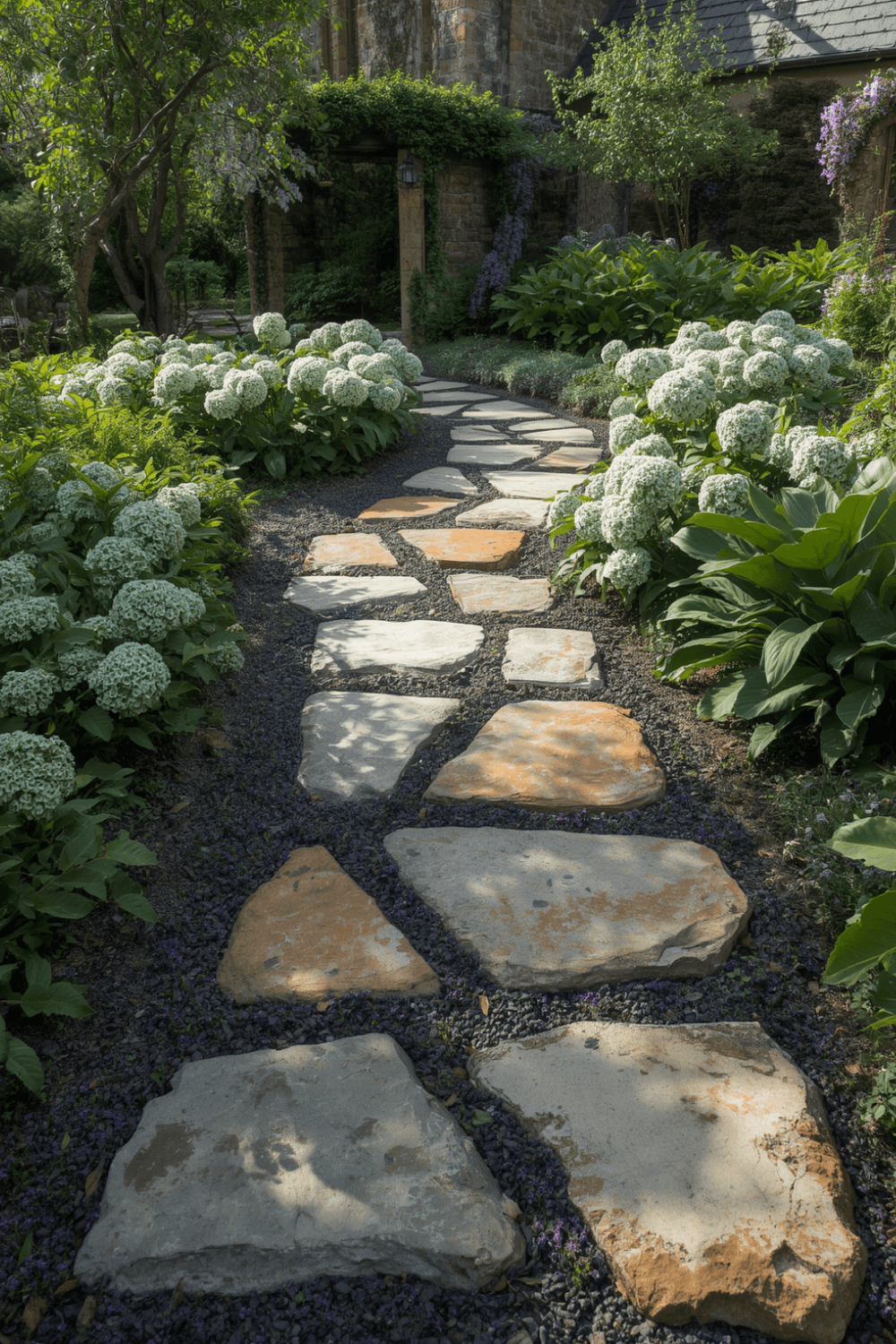
If you live near a landscape supply yard or a rural area, flat fieldstones can be bought or sometimes sourced for free. They look more natural than concrete and fit right into cottage garden path ideas DIY.
8. Broken Concrete Stepping Stones
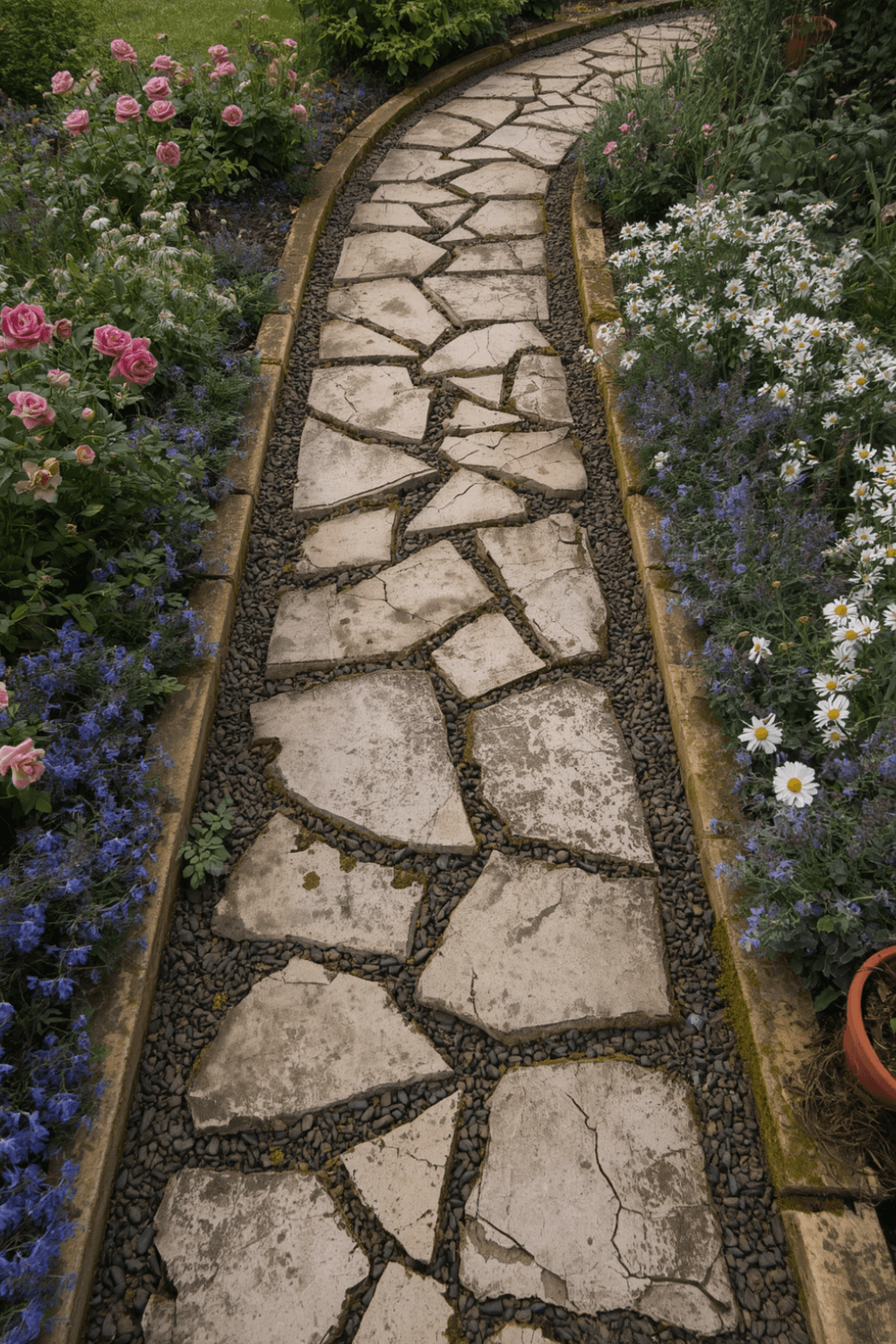
This one surprises people. Broken sidewalk pieces or driveway slabs work perfectly as stepping stones. They’re often given away for free when neighbors are redoing their driveways. A little rough around the edges? Sure. But that’s actually part of the charm for a rustic garden look.
9. Stacked Slate Pavers
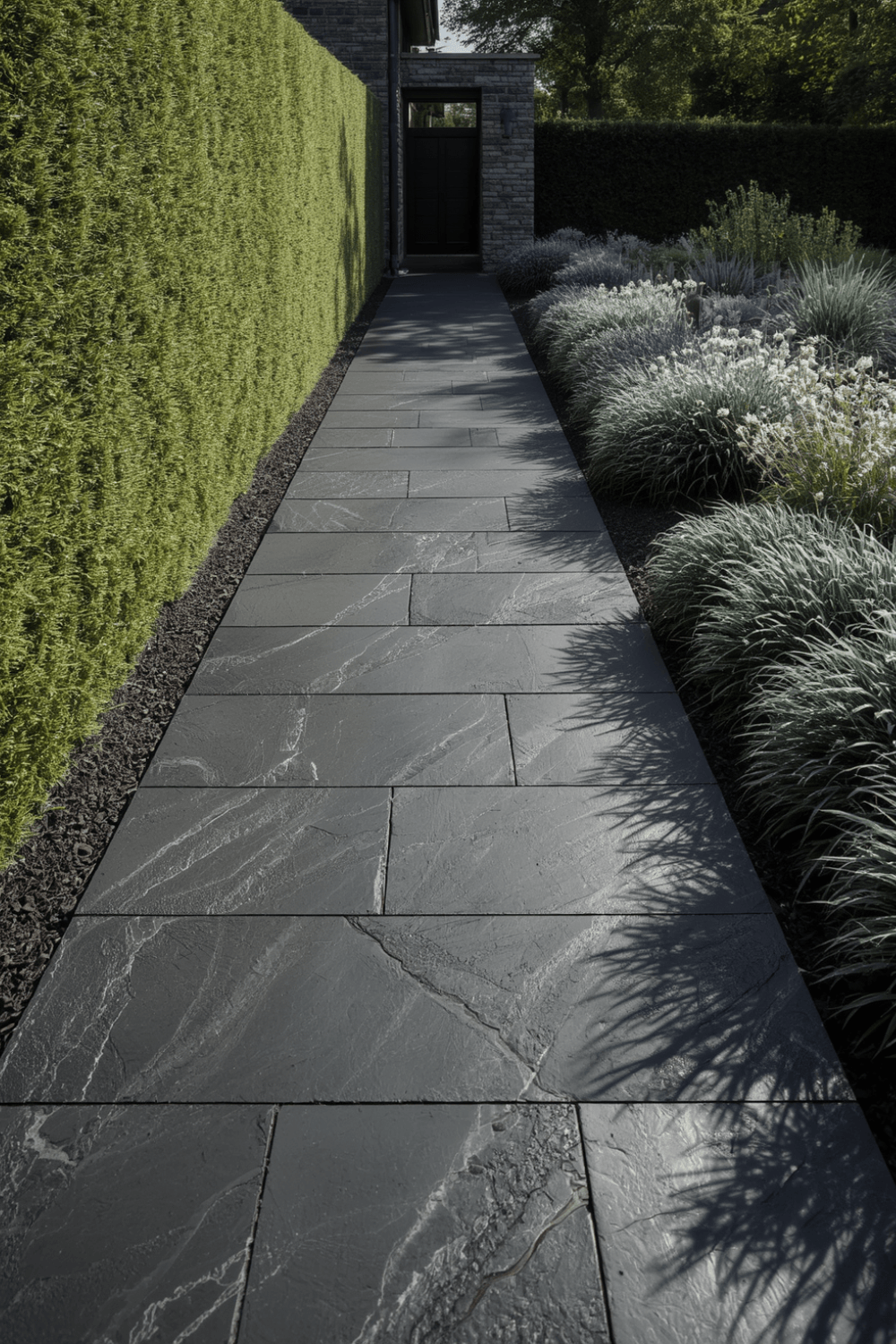
Thin slate pieces stacked flat, set slightly into the soil, create a clean modern look. Check discount tile and stone shops for slate offcuts sold cheaply.
10. Wooden Round Stepping Stones
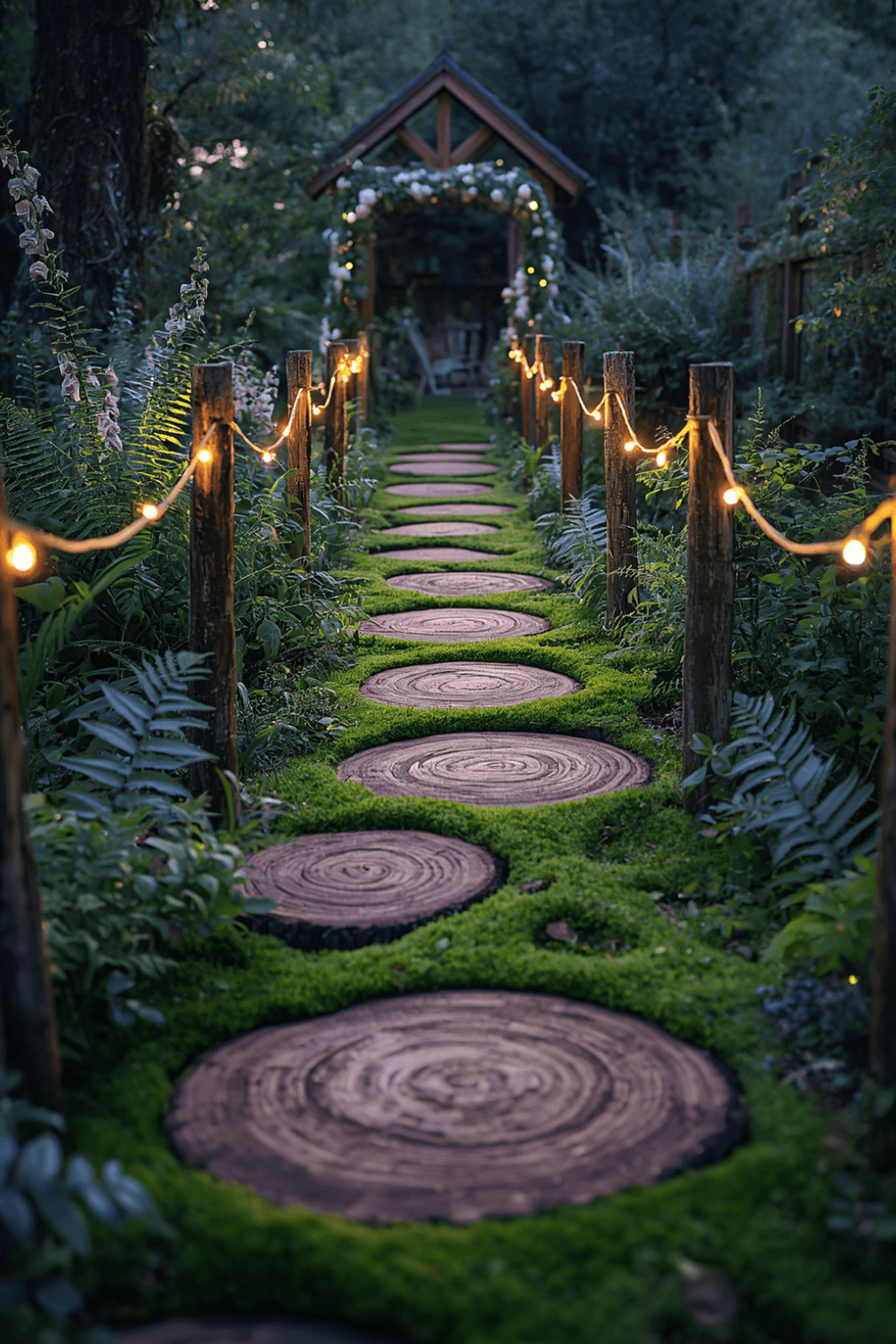
Slice a log into rounds about 3-4 inches thick, treat with wood sealant or linseed oil, and set them into your path. They look warm and natural. Best used in a shaded, dry area since they can rot faster in wet spots.
11. Brick Stepping Stones in Grass
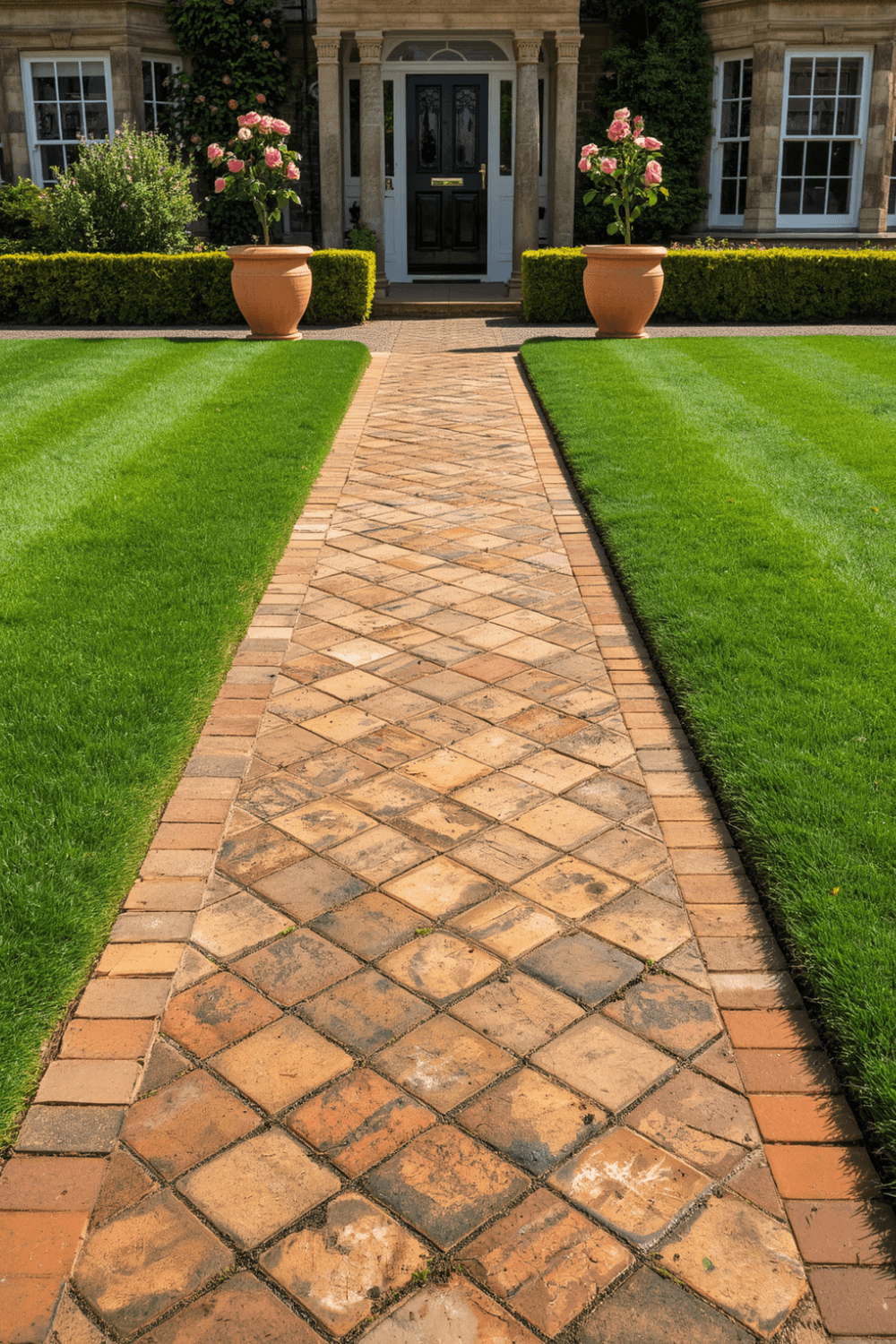
Instead of a full brick garden path, just lay single bricks flat in the lawn at stride distance. It costs almost nothing, takes less than an hour, and gives the garden a more structured feel.
Section 3: Wood and Natural Material Paths for a Rustic Feel
Wood and natural materials are where you can really save money, especially if you know where to look.
12. Wood Chip Garden Path
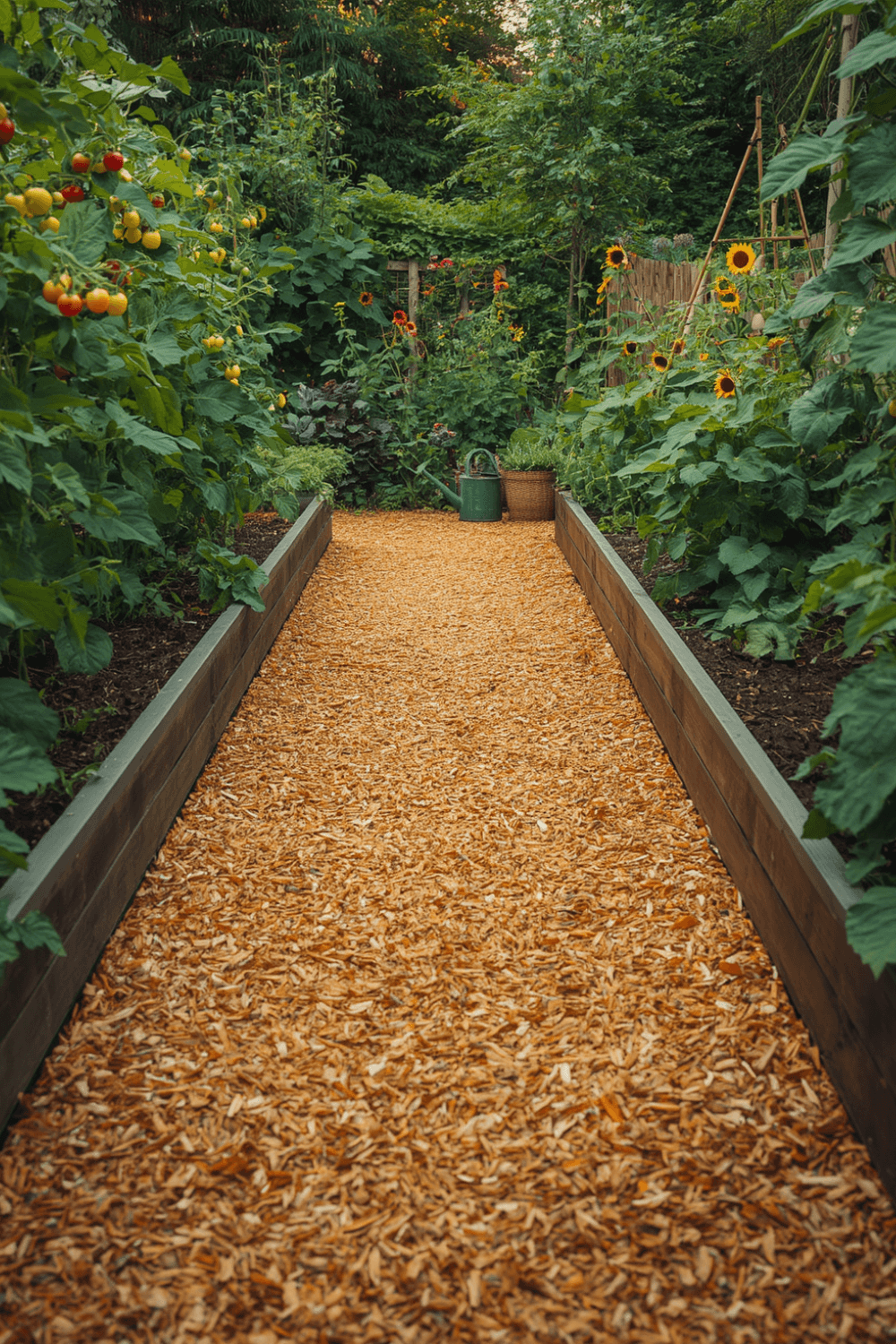
Call your local tree trimming company. Many of them will drop off a truckload of wood chips for free because it saves them the cost of disposal. Lay landscape fabric down, pour chips 3-4 inches deep, and you have a soft, natural path that smells good after rain. This is one of the best wood chip garden path ideas out there, and it costs almost nothing.
13. Bark Mulch Path
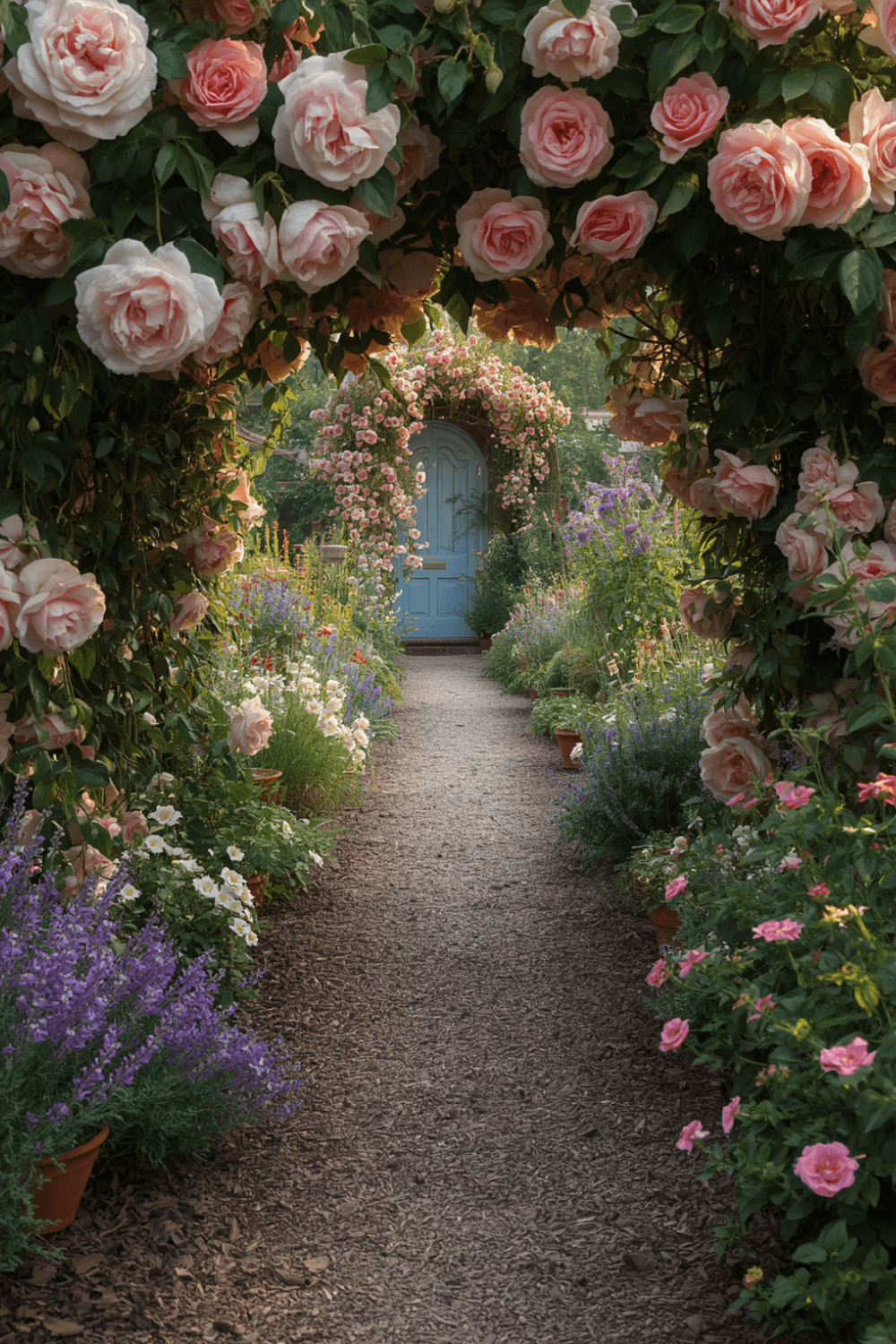
Similar to wood chips but finer and more uniform in appearance. Most garden centers sell it by the bag or the cubic yard. A mulch path suits a cottage garden or woodland-style yard beautifully.
14. Pine Needle Path
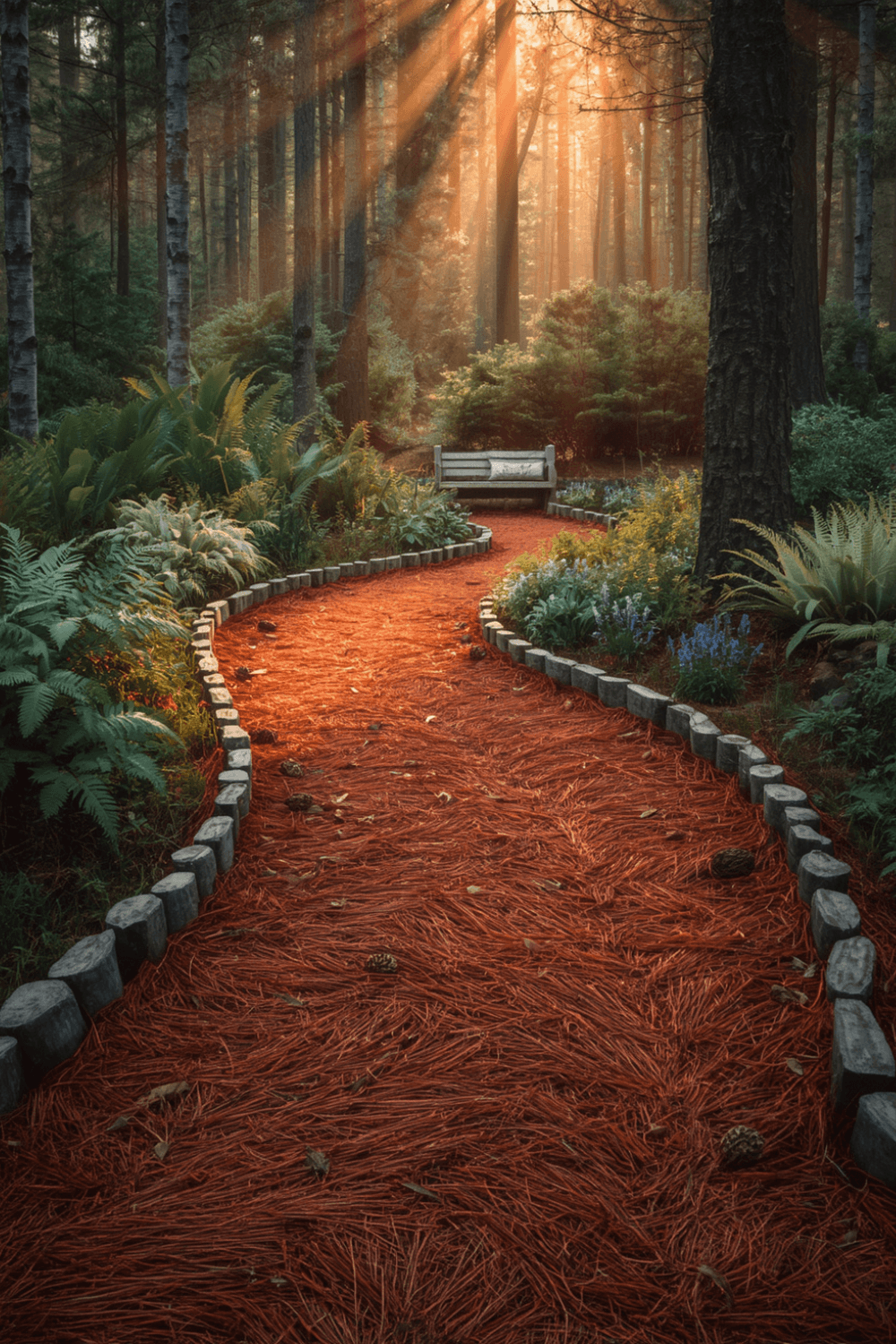
If you have pine trees in your yard, or live near an area with pines, you already have free path material. Rake up the needles and lay them thickly between two edging boards. They stay put, drain well, and have a pleasant earthy smell. This is one of the most natural garden path ideas that almost nobody talks about.
15. Pallet Wood Walkway
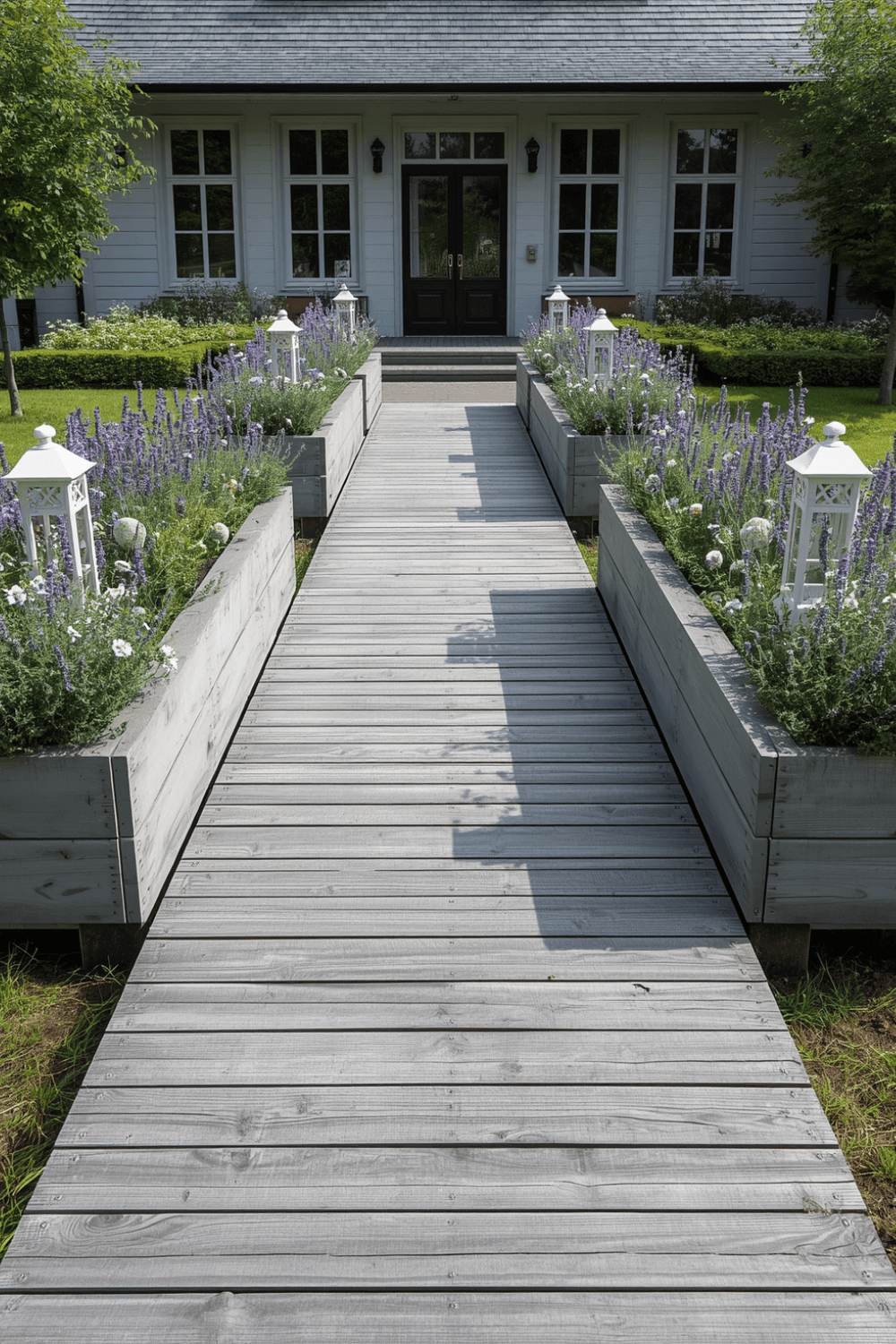
Disassemble wooden pallets (free from hardware stores or warehouses), treat the planks, and lay them as a simple boardwalk-style path. This works especially well over muddy or wet areas. Definitely a beginner-friendly garden path project.
16. Split Log Edged Dirt Path
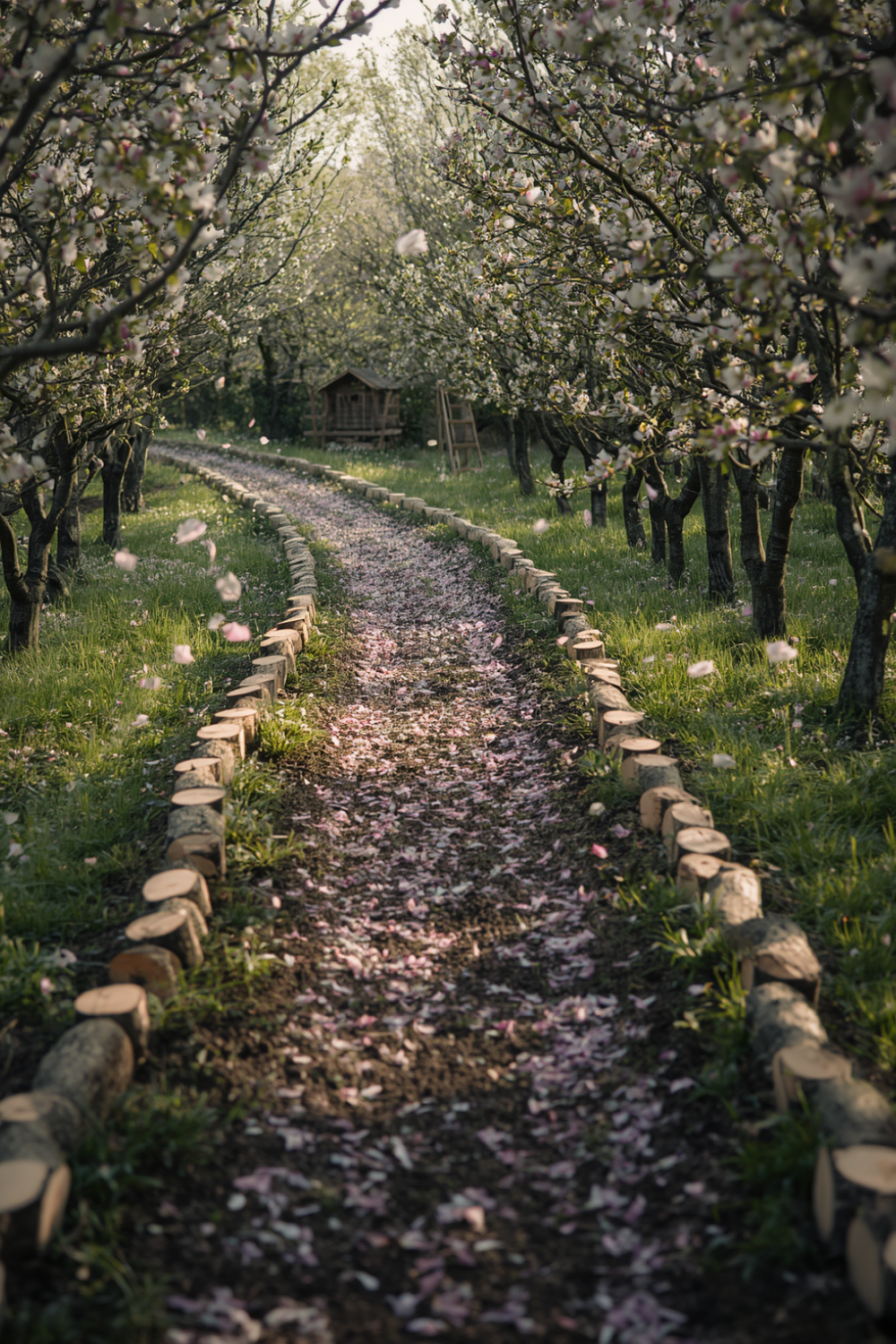
Define a dirt path clearly using half-split logs on each side as edging. The rustic border makes the simplest dirt trail look intentional and tidy.
Section 4: Recycled Material Garden Path Ideas
Recycled material garden path ideas are my personal favorite category because they’re free, creative, and actually look great when done with a little care.
17. Broken Terracotta Pot Mosaic Path
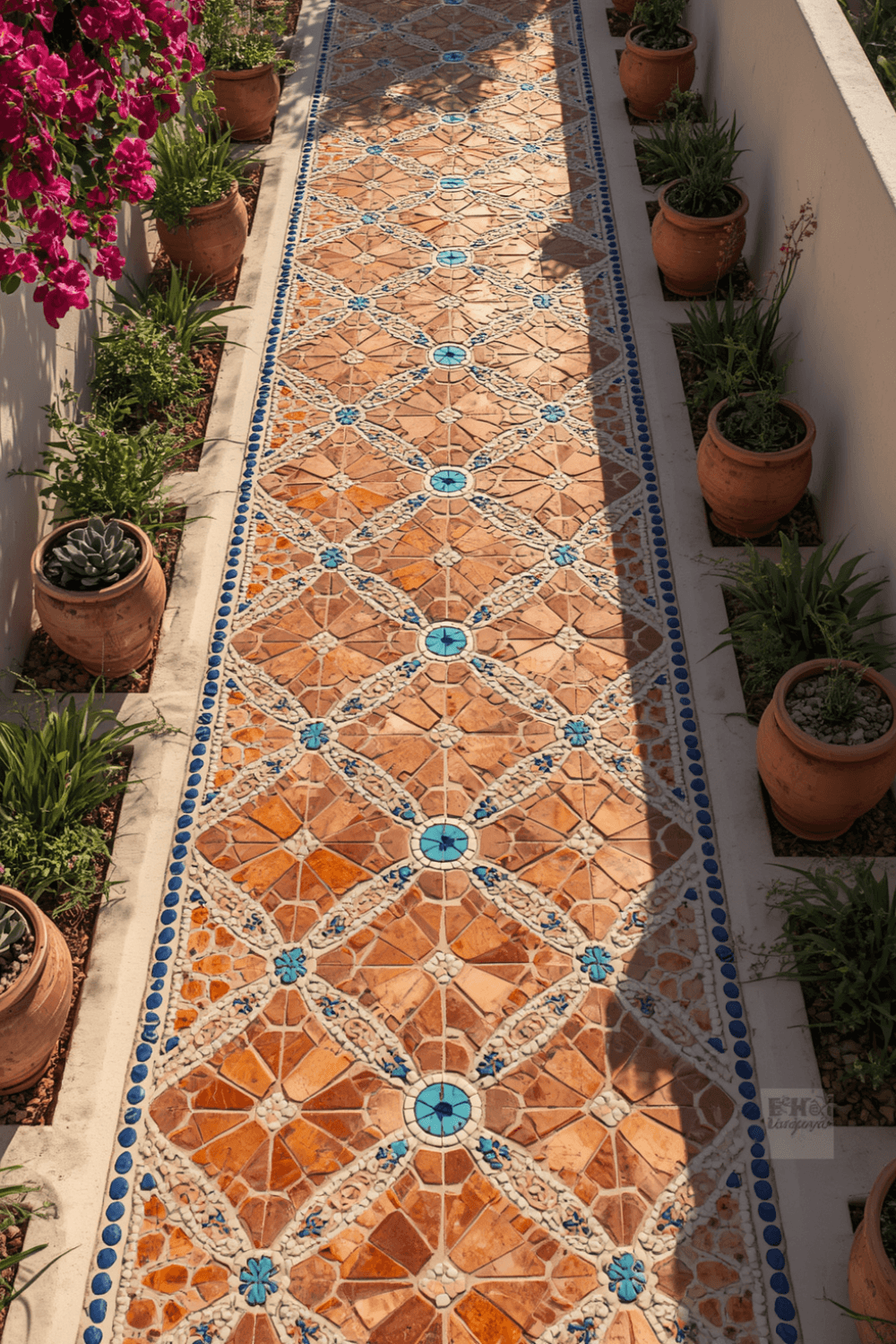
Old broken pots get embedded in sand or mortar to create a colorful mosaic path surface. Collect broken pots over time or ask at garden centers if they have any cracked ones to give away.
18. Wine Bottle Border Path
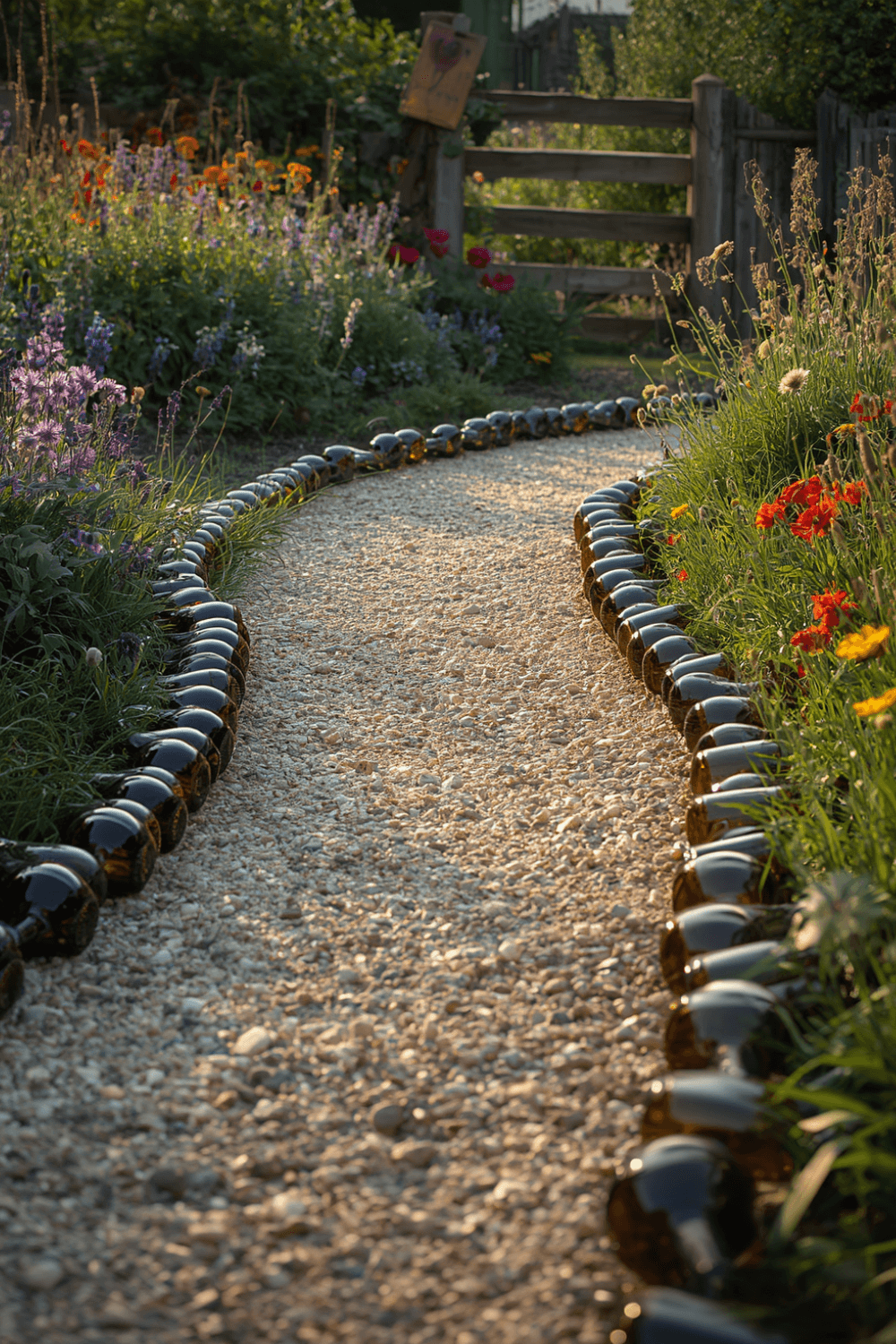
This sounds unusual, but it works. Bury empty wine bottles upside down along the edges of a gravel path. The bottle bottoms face up and catch the light. It’s quirky, personal, and essentially free.
19. Old Roof Tile Stepping Path
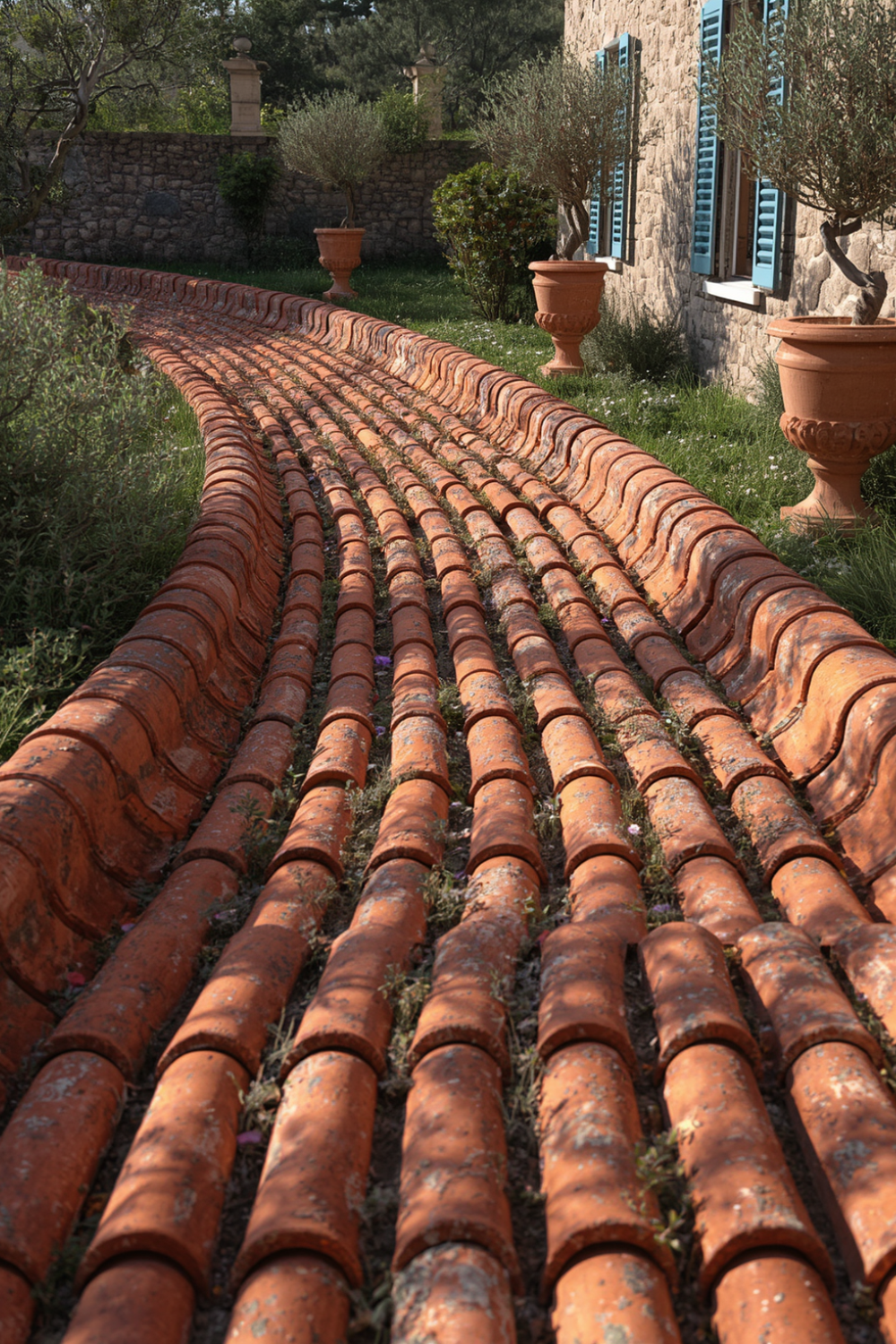
Flat roof tiles work as stepping stones. Check salvage yards, which often have tile leftovers sold for nearly nothing.
20. Reclaimed Brick Herringbone Path
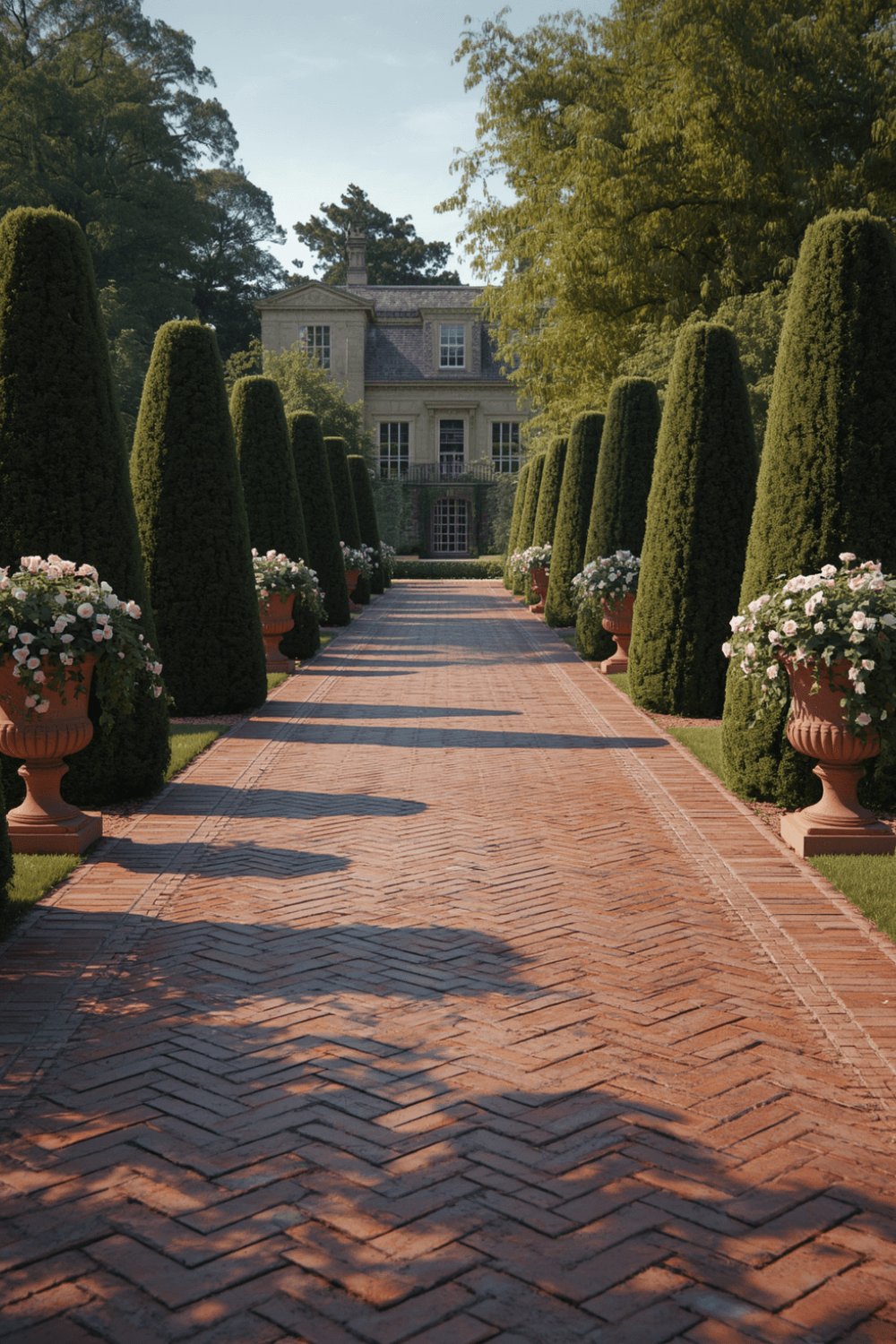
Reclaimed bricks, arranged in a herringbone pattern, look like they cost a fortune. They don’t. Check salvage stores or online classifieds. A DIY brick garden path in herringbone is one of the most-photographed styles in cottage and traditional gardens.
21. River Rock Inlay Path
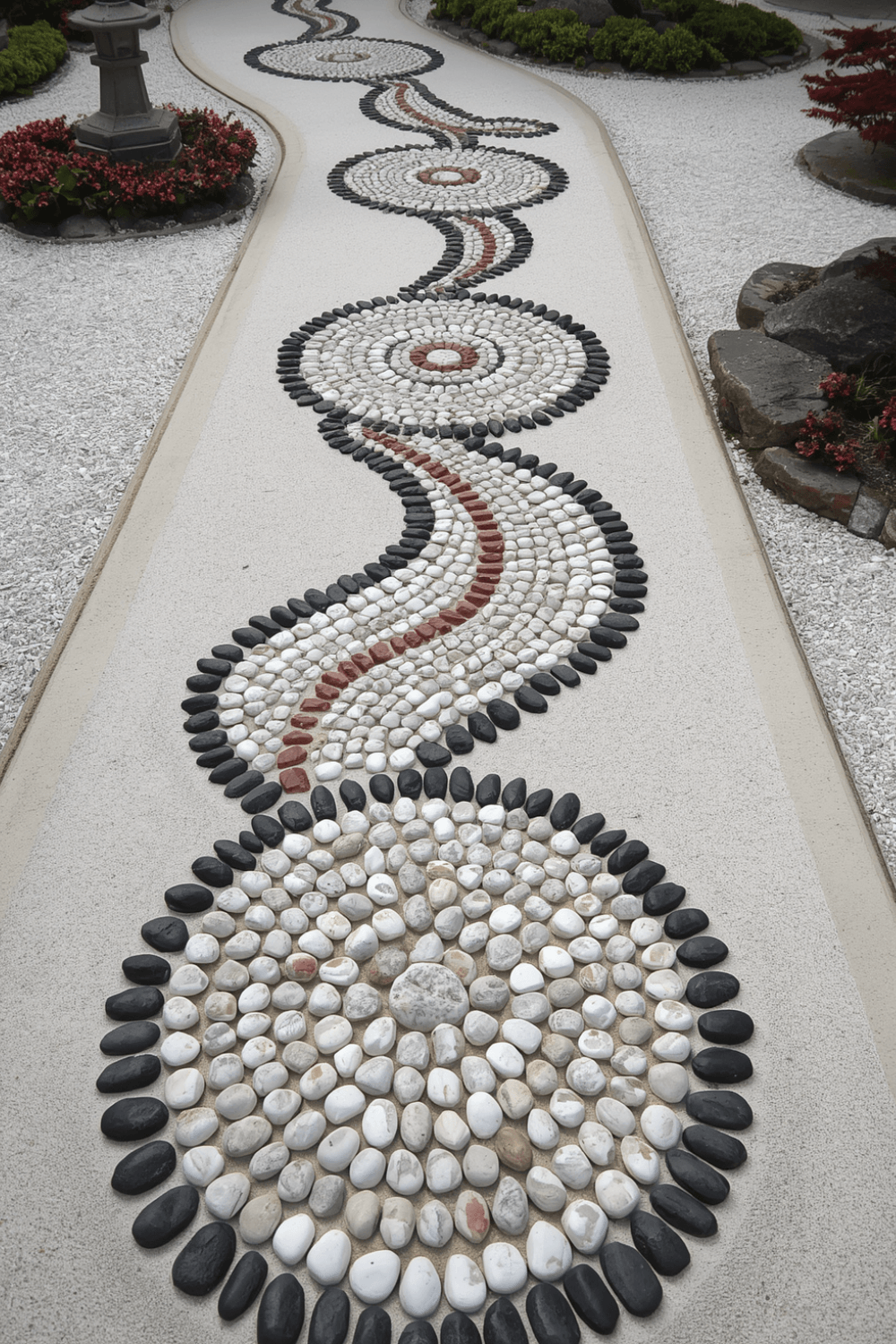
Collect smooth river rocks (or buy a bag cheaply) and press them into wet sand or mortar to create a patterned surface. Even a small section of this between plain stepping stones adds serious visual interest.
22. Glass Bottle Bottom Inset Path
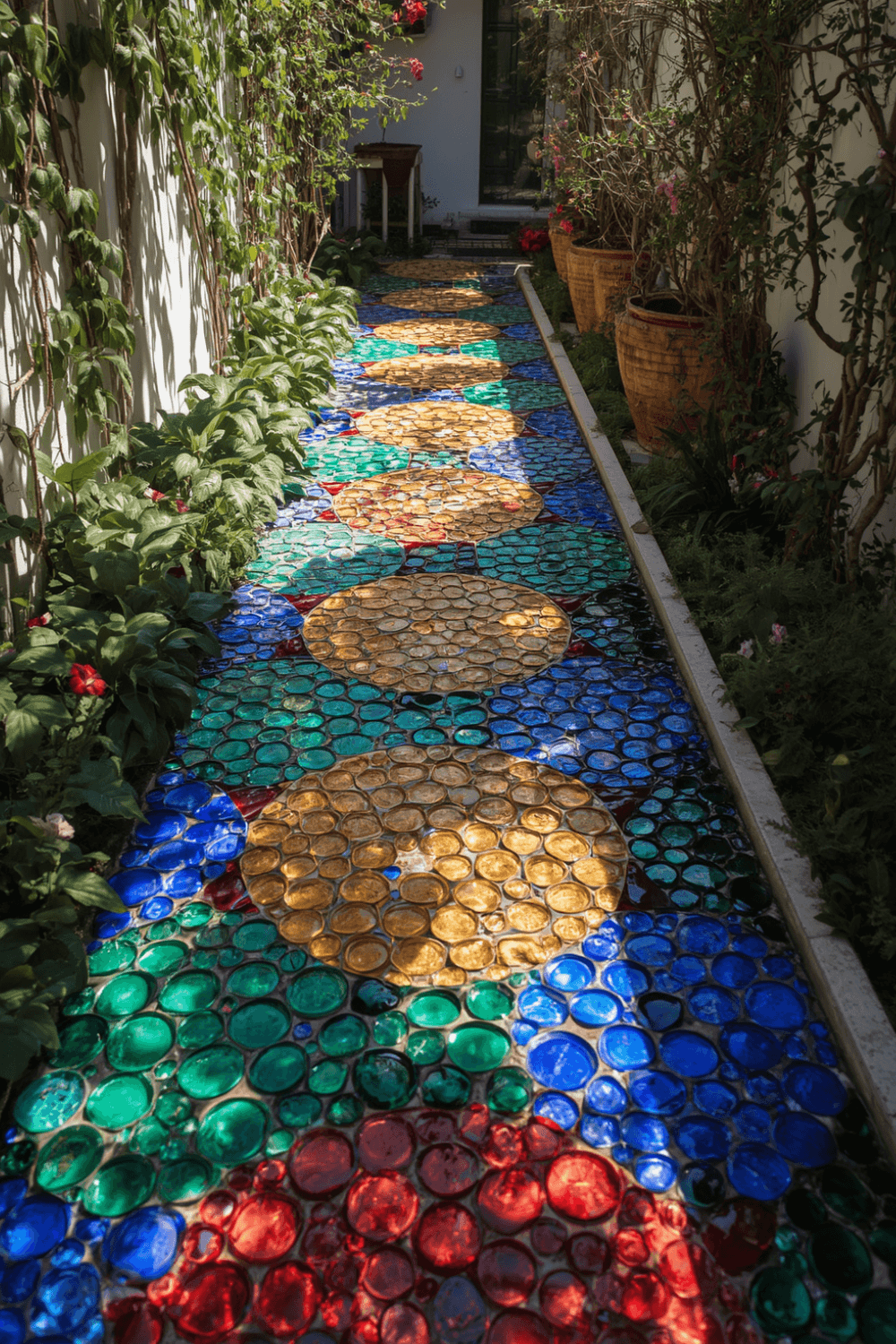
Similar to the wine bottle idea but laid flat and cemented into a concrete base. The colored glass glows in sunlight. This one takes more effort but gets a lot of attention.
Section 5: Modern and Low-Maintenance Garden Path Ideas
Not everyone wants a rustic or cottage feel. If you prefer something cleaner and more contemporary, these options give you that without the high price tag.
23. Concrete Paver Path in a Grid Pattern
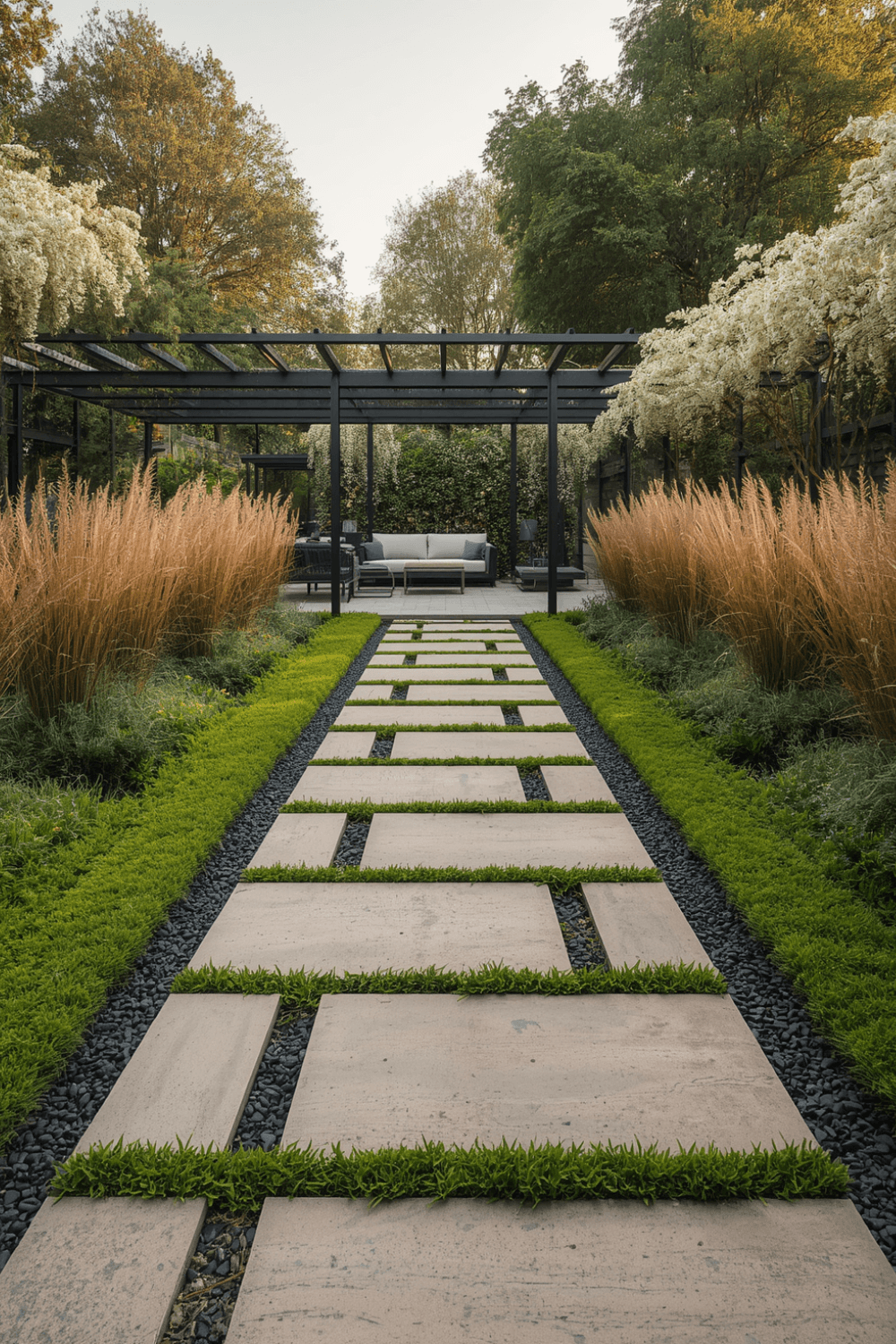
Basic square concrete pavers from the hardware store, laid in a simple grid with small gaps, look modern and clean. Fill the gaps with fine gravel or ground cover plants for added texture. This is one of the most practical simple garden path ideas without concrete mixing.
24. Decomposed Granite Path
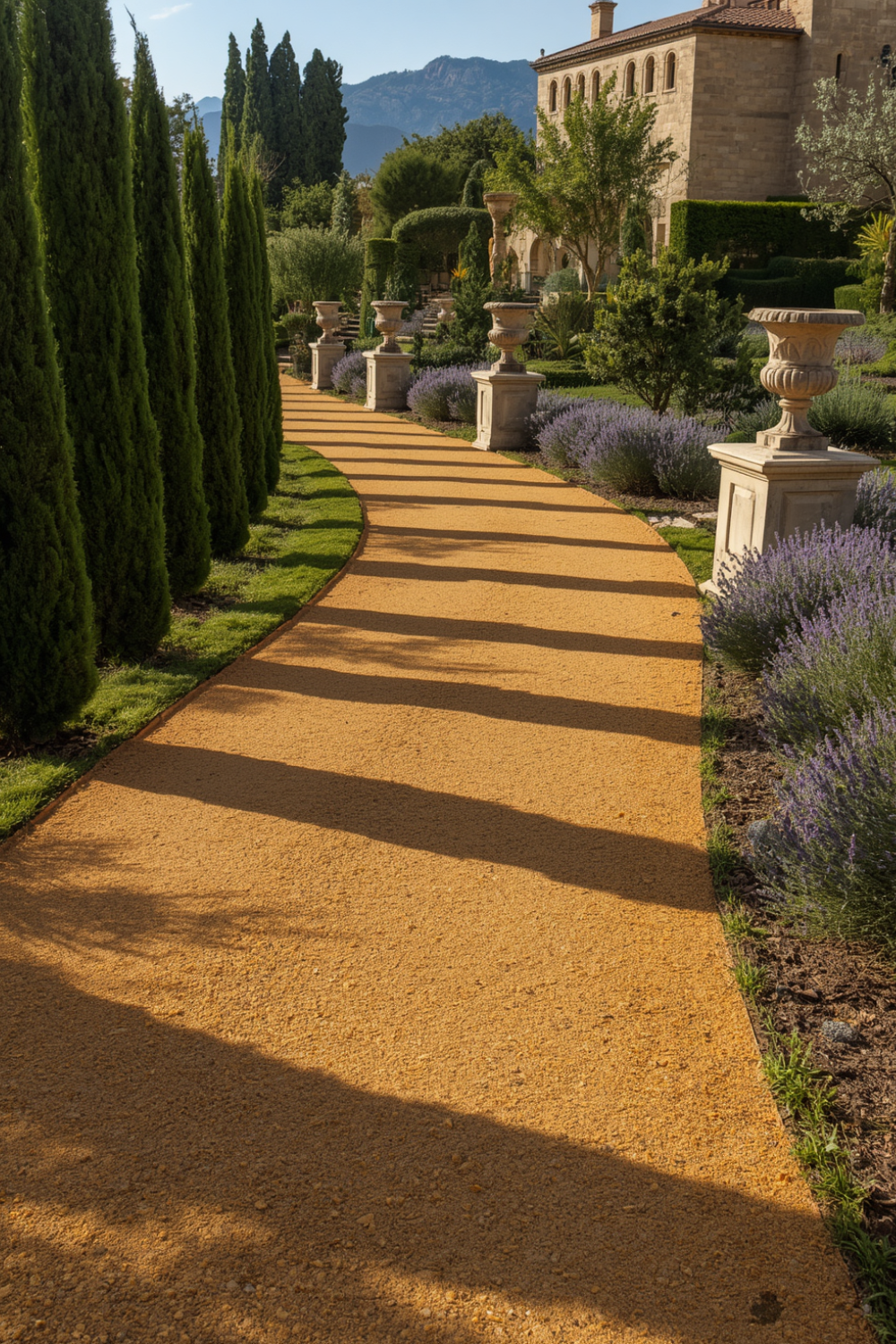
Decomposed granite (DG) compacts into a firm surface that looks polished and modern but costs much less than poured concrete. It’s a popular material in dry or Mediterranean-style gardens and works well in narrow garden path designs.
25. Porcelain Tile Outdoor Path (with Discount Tiles)
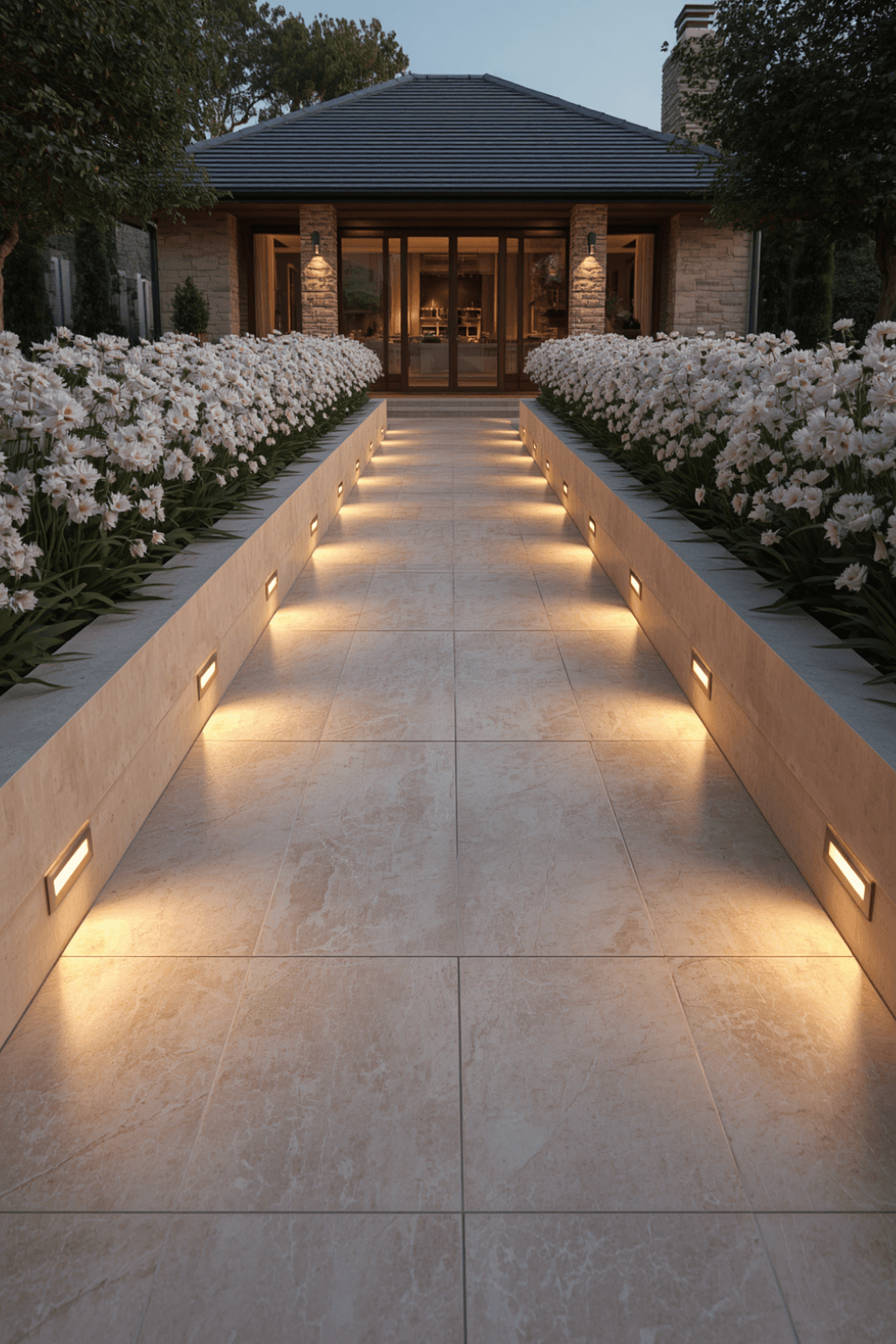
Check tile warehouse outlets and clearance sections. Discontinued porcelain tiles sell for a fraction of their original price and hold up outdoors very well. A straight tile path looks sleek and modern.
26. Resin-Bonded Gravel Path
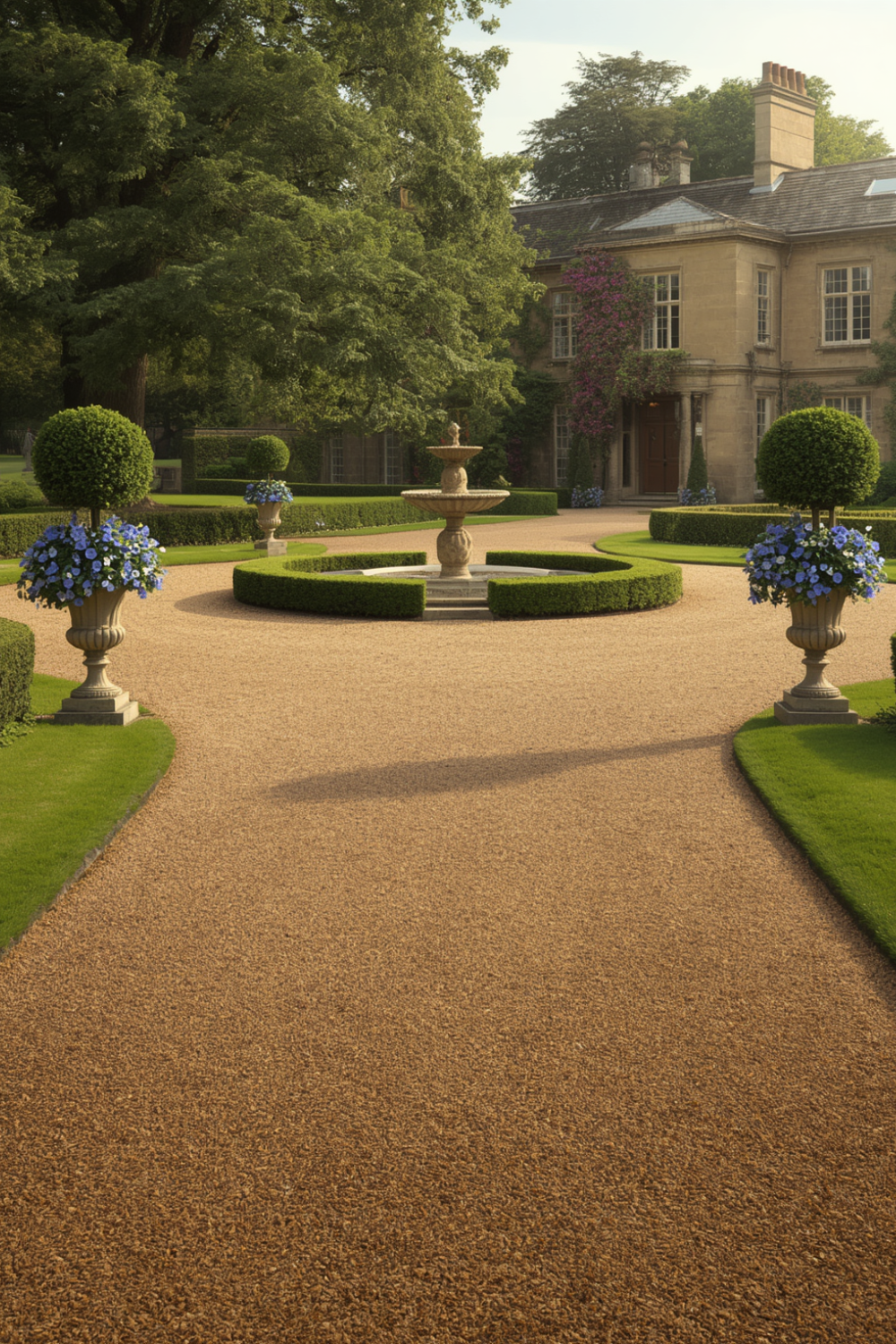
Resin-bonded gravel creates a solid, smooth surface that looks expensive. It’s more work than basic gravel, but the material cost stays reasonable and the result is a much more polished-looking modern garden path on a budget.
27. Grass Strip Between Two Pavers
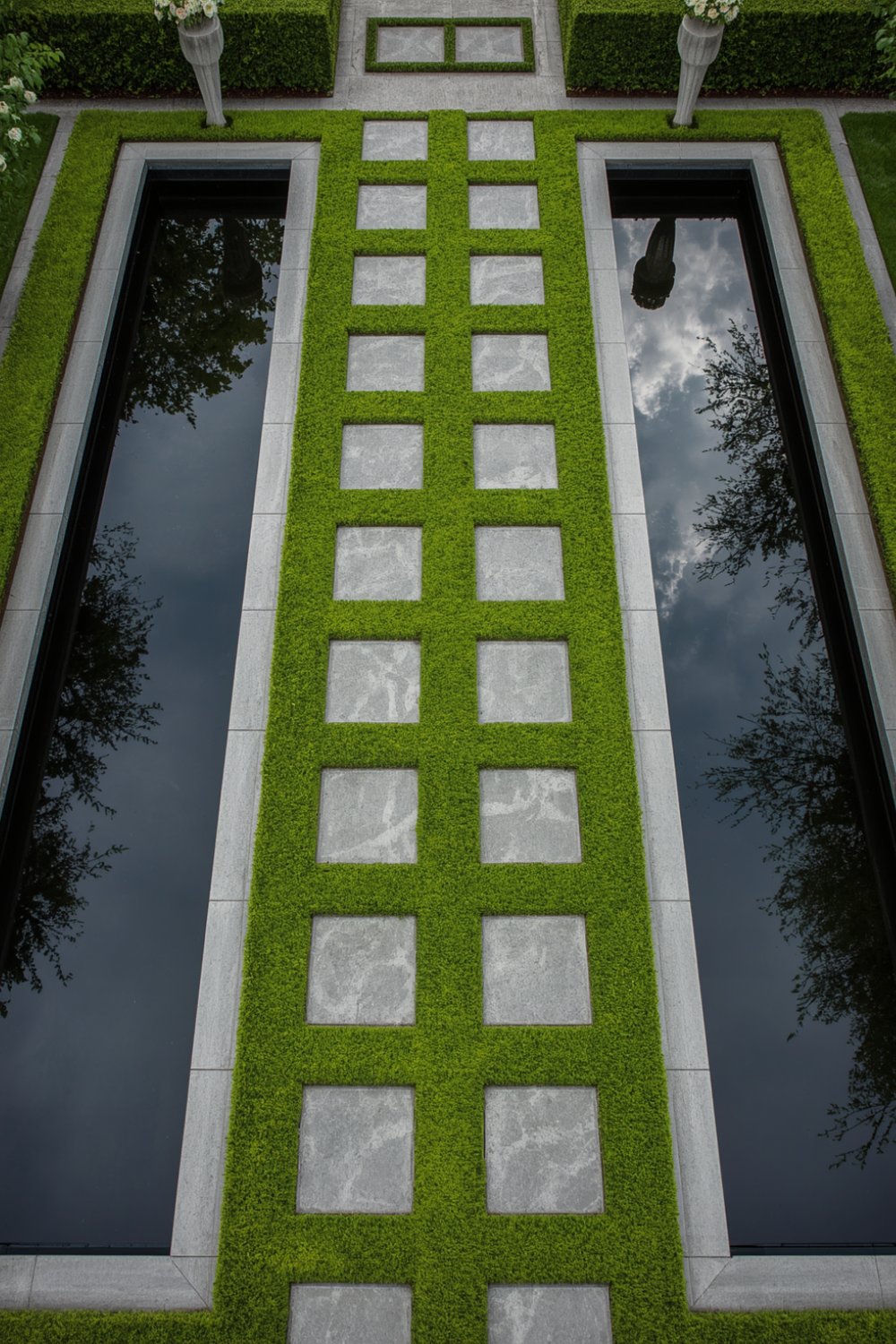
Lay two parallel rows of concrete or stone pavers with a strip of grass or ground cover in between. This is a simple garden path design that works for driveways and garden paths alike. Very clean. Very affordable.
Section 6: Narrow and Specialty Path Ideas
28. Narrow Flagstone Path Between Garden Beds
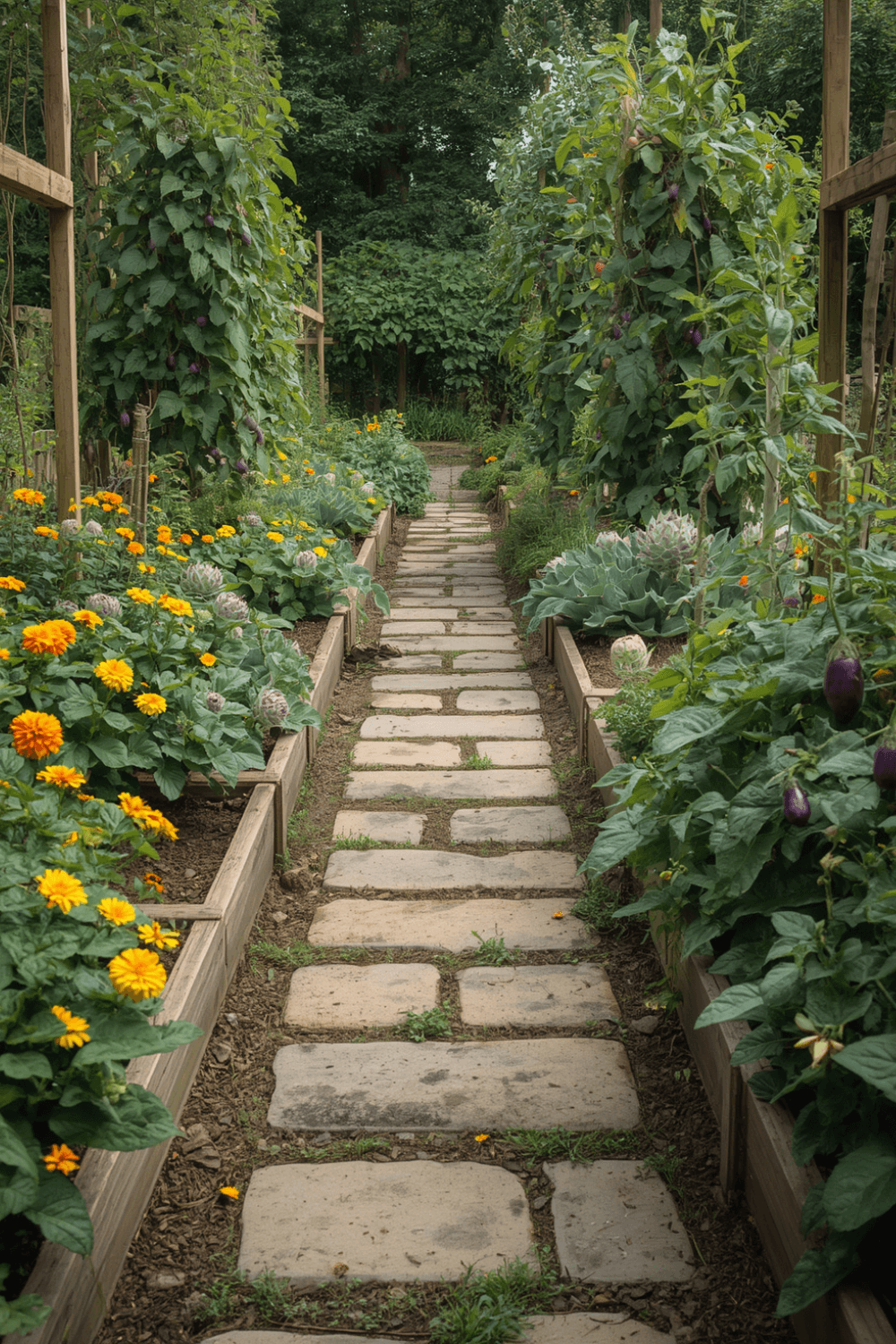
For a narrow garden path design between raised beds or planting borders, small flagstones set in a single line work perfectly. They give you just enough room to walk and tend to plants without crushing anything.
29. Cobblestone-Style Path with Small Rocks
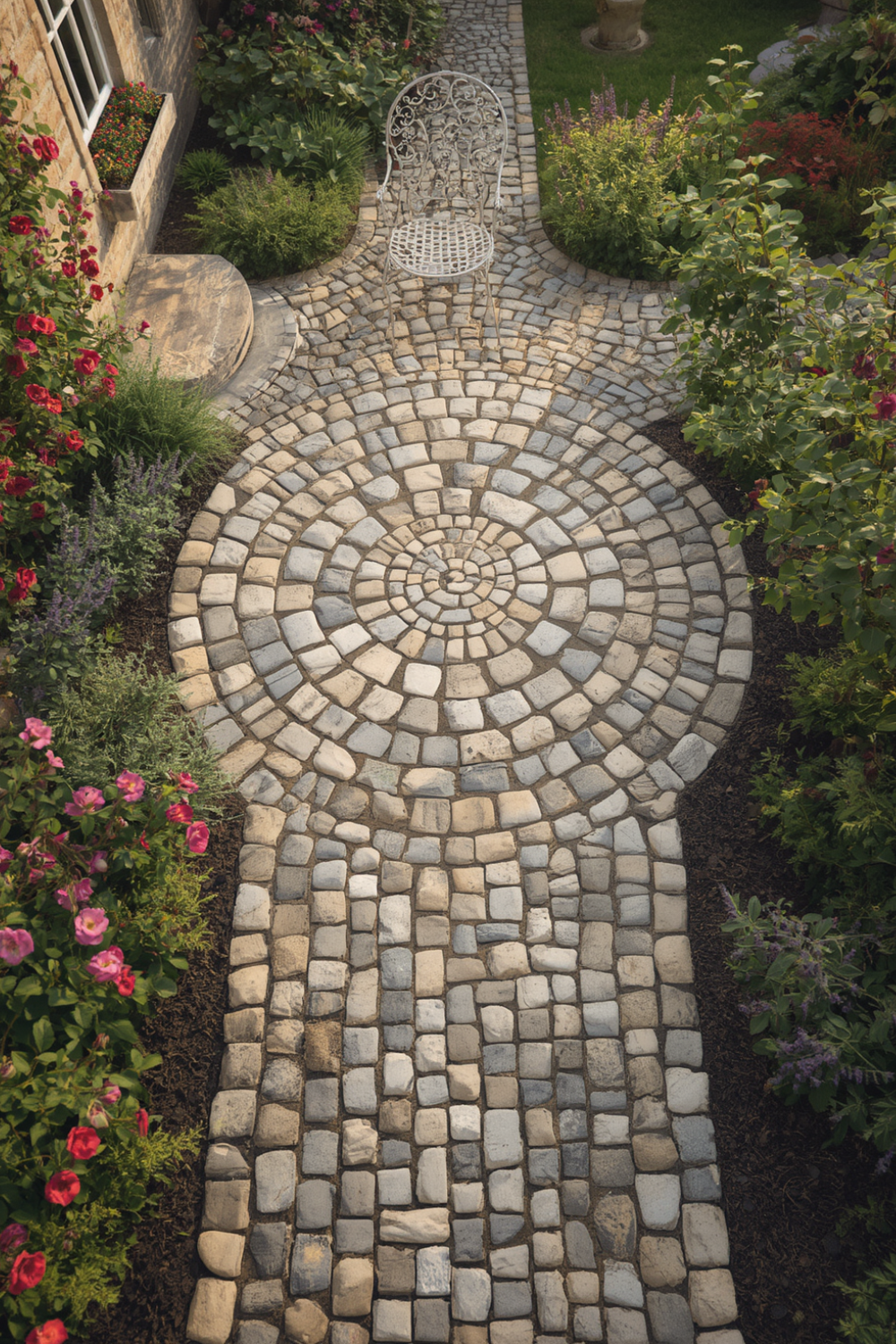
Collect or buy small round stones and set them tightly together in sand. The finished look is similar to traditional European cobblestone at a fraction of the cost. Time-consuming? A bit. Worth it? Completely.
30. Living Path with Creeping Thyme or Moss
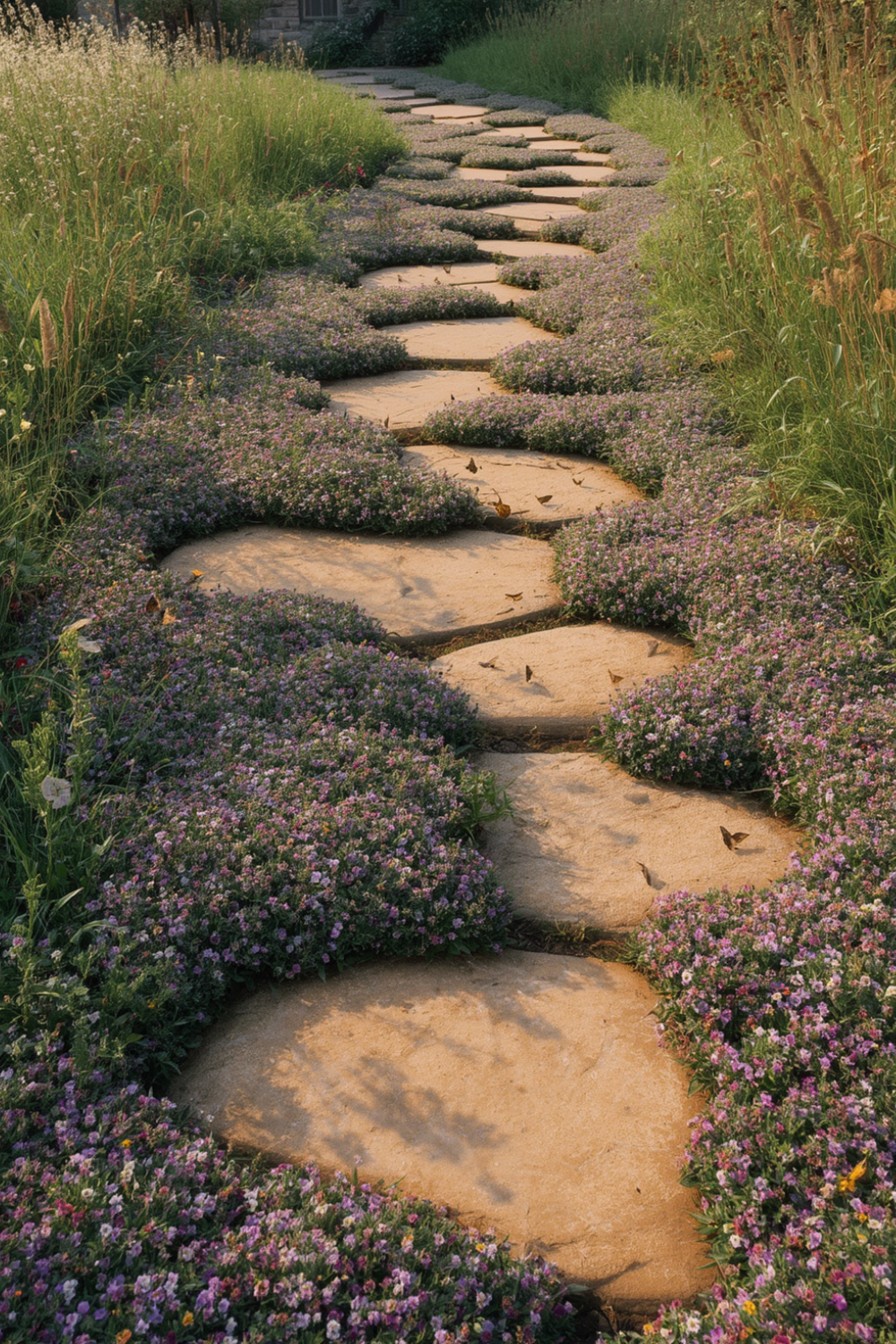
This one is the most unconventional. Plant low-growing ground covers like creeping thyme, mind-your-own-business (Soleirolia), or moss between stepping stones. Over time, the plants fill in the gaps and you end up with a living, fragrant path. Extremely low maintenance once established, and genuinely stunning.
Frequently Asked Questions
Q: What is the cheapest material for a garden path?
Wood chips from tree companies are often free, making them the cheapest option. Pea gravel comes in at around $5-$8 per bag. Broken concrete is frequently given away for free online. Any of these can produce a complete, functional path for under $30 in most cases.
Q: How do I keep weeds from growing through my garden path?
Lay landscape fabric or thick layers of cardboard underneath your path material before you pour gravel or wood chips. This blocks light from reaching weed seeds without blocking water drainage. Refreshing the top layer of material once a year also helps.
Q: Do I need to dig up my yard to make a garden path?
Not always. Stepping stones can be pressed lightly into existing grass. Gravel paths need about 3 inches of depth for proper drainage. Wood chip paths need about 4 inches. But for a simple stepping stone trail, very little digging is required.
Q: What is the easiest DIY garden path for a beginner?
Stepping stones pressed into grass. No edging, no fabric, no digging required for a basic version. Buy or make a few flat stones, lay them at stride distance, done. You can always upgrade later.
Q: How long does a DIY gravel path last?
A properly laid gravel path with landscape fabric underneath lasts 10-15 years before needing any significant work. The gravel itself doesn’t degrade. You may need to top it up every few years as it compacts or spreads, but that’s a minor job.
Conclusion: Start Small, Start This Weekend
You don’t need a landscape designer or a home renovation budget to get a path that looks genuinely good. A bag of gravel, a handful of flat stones, or a truckload of free wood chips is all it takes to get started.
Pick one idea from this list that fits your space and your style. Do it this weekend. The worst case is you spend $20 and a few hours. The best case is you completely change how your garden looks and feels.
If you found this helpful, share it with a friend who’s also working on their outdoor space, and explore the rest of our garden content for more low-budget ideas that actually work.