Ever driven past a house with a beautiful wrought iron fence and just… slowed down a little? That’s not an accident. There’s something about a wrought iron fence that makes a property feel established, secure, and cared for — even from the street.
If you’re here, you’re probably weighing whether a wrought iron fence is the right move for your home. Maybe you’re picturing a classic ornamental iron fence with elegant scrollwork, or maybe you just want something sturdy around the pool that won’t rot or warp in five years. Either way, you’re in the right place.
Let’s walk through everything — styles, costs, comparisons, installation, and the maintenance nobody warns you about — so you can make a decision you won’t second-guess later.
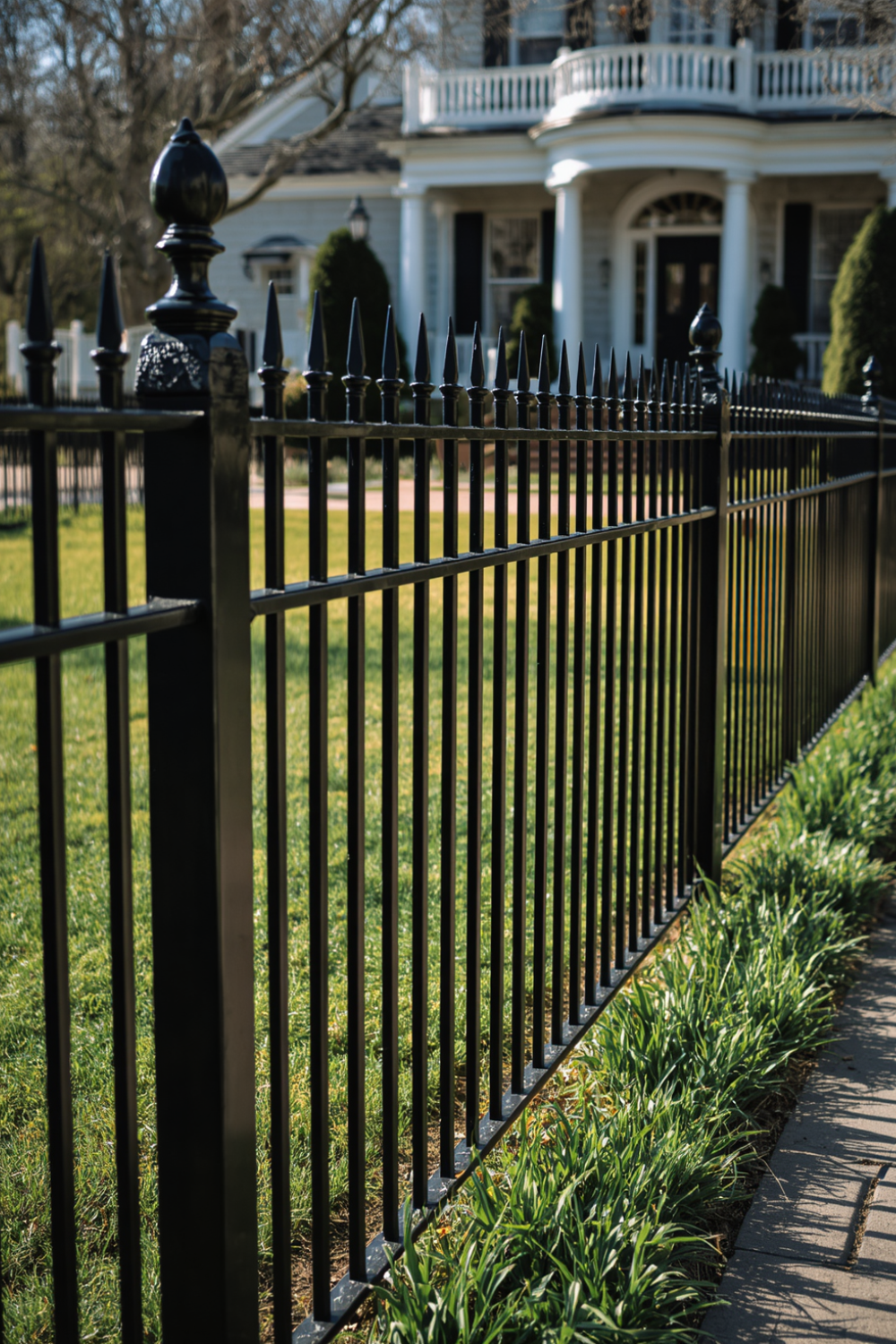
What Exactly Is a Wrought Iron Fence?
Here’s a little myth-buster: most wrought iron fences installed today aren’t actually made from true wrought iron. According to the Smithsonian’s overview of historic ironwork, real wrought iron is a hand-worked form of iron that’s largely stopped being manufactured commercially. What you’re buying today is almost always mild steel shaped and finished to look like traditional wrought iron — and honestly, that’s not a bad thing. It’s stronger, more consistent, and easier to maintain.
So when people talk about wrought iron fence panels, gates, or pickets, they usually mean ornamental steel fencing styled after the old-world look — twisted balusters, decorative finials, and that unmistakable dark, elegant silhouette.
Does that change anything for you as a buyer? Not really. What matters is the quality of the steel, the finish, and the installation — which we’ll get into.
Popular Styles of a Wrought Iron Fence

One thing people don’t expect: there’s a lot more variety here than they assumed. A wrought iron fence isn’t a one-size-fits-all product.
Classic Spear-Top Design
This is the fence you’re picturing right now — pointed pickets, often with iron fence finials and spear tops capping each post. It’s traditional, a little formal, and works beautifully for a wrought iron fence for front yard applications.
Scroll and Scrollwork Panels
These feature curved, decorative ironwork woven into the panel design. Think historic mansions or botanical garden entrances. If you want decorative iron fencing for garden spaces, this style adds real charm without feeling heavy-handed.
Flat-Top or Puppy-Picket Panels
Simpler, safer (no sharp points), and popular for homes with kids or pets. Less dramatic, more practical — and often a bit cheaper too.
Pool-Safe Panels
Specifically designed wrought iron pool fence panels meet self-latching gate codes and tighter picket spacing — because pool fencing isn’t just about looks, it’s about liability and local code compliance. The Consumer Product Safety Commission’s pool barrier guidelines outline the general safety standards most local codes are based on.
Estate and Perimeter Panels
For larger properties, taller estate-style panels (often 5-6ft) combine security with presence. These usually pair with automated gates and stone or brick pillars for a finished, high-end look.
Wrought Iron Fence Panels: What Goes Into Them
When you’re comparing quotes or shopping panels yourself, here’s what actually affects quality and price:
- Picket gauge (thickness): Thicker steel pickets resist bending and last longer.
- Weld quality: Look for continuous, ground-smooth welds — not just tack welds.
- Panel height and spacing: Codes vary by city, especially near pools.
- Finish type: This one matters more than people think, so let’s talk about it.
- Post depth and footing: A fence is only as strong as what’s holding it in the ground — shallow footings are a common corner-cut that shows up years later as leaning panels.
Powder Coated Iron Fence: Why This One Detail Matters So Much
If there’s one upgrade worth paying for, it’s this.
A powder coated iron fence isn’t just painted — it’s electrostatically coated with a dry powder, then baked on at high heat. The result is a finish that’s dramatically more resistant to chipping, fading, and rust than traditional wet paint.
Here’s why that matters practically:
- Wet paint chips with lawn mower nicks, hail, or just time — exposing bare metal underneath.
- Once bare metal is exposed, rust starts creeping in, and it spreads.
- Powder coating creates a tougher, more uniform shield that holds up season after season.
If your contractor offers a cheaper wet-paint option to save a few hundred dollars, ask yourself: is that really where you want to cut corners on something meant to last 20+ years?
Steel Fence vs Wrought Iron: Is There Even a Difference?
This trips a lot of people up, so let’s clear it up simply.
| Feature | “Wrought Iron” (Ornamental Steel) | Standard Steel Fence |
|---|---|---|
| Style | Decorative, scrollwork, finials | Usually plain, utilitarian |
| Common Use | Front yards, pools, historic homes | Industrial, commercial security |
| Price | Higher due to design detail | Generally lower |
| Rust Resistance | Depends on coating | Depends on coating |
The truth in the steel fence vs wrought iron debate? They’re often the same base material — the difference is design intent and finish quality. You’re not choosing between two different metals; you’re choosing between decorative and industrial styling.
Wrought Iron Fence vs Aluminum: The Real Trade-Off
This is probably the comparison you actually need to make, especially if budget or maintenance is a concern.
Ornamental aluminum fence pros:
- Never rusts (it’s aluminum, not iron-based)
- Lighter, easier and cheaper to install
- Lower long-term maintenance
- Often 20-30% cheaper than steel/iron equivalents
Wrought iron fence pros:
- Stronger — harder to bend or breach
- Feels more substantial and premium
- Better for security-focused fencing
So which wins in the wrought iron fence vs aluminum debate? Honestly — it depends on your priority. Want zero maintenance and a lighter wallet hit? Aluminum. Want maximum strength and that heavier, high-end look? Go with a wrought iron fence.
If you’re using the fence primarily for security iron fencing purposes — keeping intruders out, not just marking a boundary — steel wins almost every time. Aluminum bends more easily under force.
Climate Matters More Than You’d Think
Here’s something a lot of buying guides skip over — where you live actually changes how your wrought iron fence should be finished and maintained.
Humid or coastal areas: Salt air and moisture are rust’s best friends. If you’re near the coast, powder coating isn’t optional, it’s essential, and galvanized steel underneath the coating adds another rust-resistant layer worth asking about.
Dry, hot climates: Less rust risk, but UV exposure can fade cheaper paint finishes faster. Look for UV-stable powder coating formulas.
Cold climates with freeze-thaw cycles: Footing depth matters a lot here. Posts set too shallow can heave with frost, leading to leaning panels over a few winters. The National Weather Service frost depth data can help you and your contractor determine safe footing depth for your region.
If your contractor doesn’t ask about your local climate before recommending a finish, that’s worth a follow-up question.
What Does a Wrought Iron Fence Actually Cost?
Nobody likes vague pricing, so here’s a realistic range:
- Basic panels (mild steel, wet paint): $25–$35 per linear foot installed
- Powder coated, mid-range design: $35–$50 per linear foot
- Custom wrought iron fencing with intricate scrollwork or custom gates: $60–$100+ per linear foot
A Quick Real-World Example
Let’s say you’re fencing a 100-foot front yard stretch with a mid-range powder coated design and one walk gate:
- Panels + posts (100 ft x $40/ft): ~$4,000
- Standard walk gate with hardware: ~$400–$700
- Labor/installation (already included above in most quotes, but confirm this with your contractor)
- Optional: decorative finials or upgraded post caps: +$5–$15 per post
So a fairly standard 100 ft wrought iron fence project often lands somewhere between $4,500 and $5,500 all-in, depending on terrain and gate complexity. Steeper yards, rocky soil, or multiple gates push that number up.
Factors that push the price up further: gate automation, tall heights (6ft+), and custom iron fence design work like monograms or estate-style entrances.
Cheap Wrought Iron Fence Alternatives
If the budget’s tight but you still want that look, consider:
- Ornamental aluminum panels styled to mimic iron scrollwork
- Vinyl-coated steel in classic black finishes
- Buying wrought iron fence panels in bulk pre-fab sections instead of full custom fabrication
- Installing shorter decorative sections near the front yard only, with simpler fencing elsewhere on the property
None of these are “cheap” in the flimsy sense — they’re smart compromises that still deliver curb appeal without the premium custom price tag.
Gates, Pickets, and the Details That Make It Look Custom
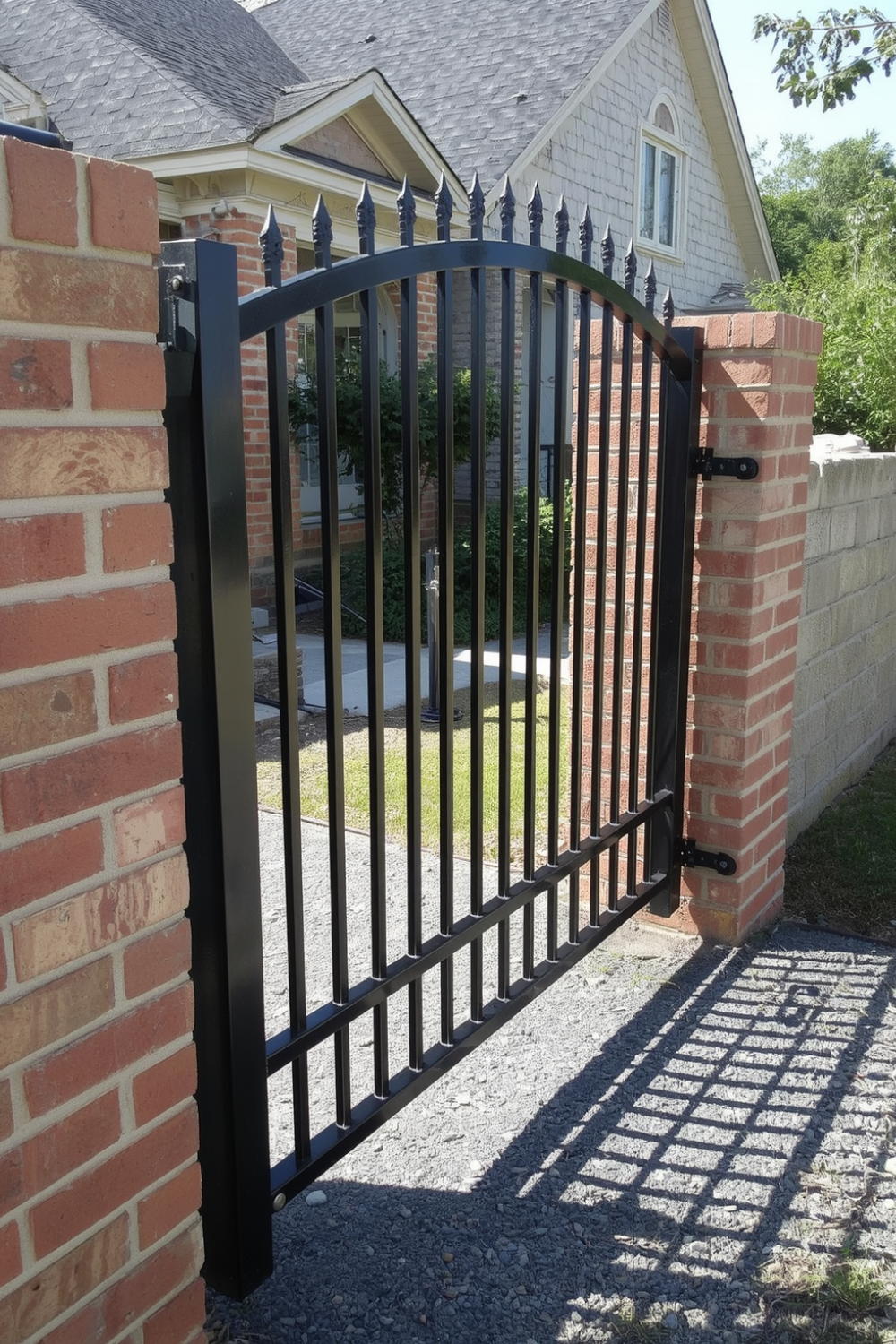
A fence lives or dies on its details. The panels might be solid, but a cheap wrought iron fence gate can throw off the whole look — or worse, sag and drag within a year.
Things to check on any gate:
- Heavy-duty hinges rated for the gate’s weight
- Self-closing hardware (required for most wrought iron pool fence installations)
- Matching wrought iron pickets spacing to the rest of the fence line
- A quality latch — not a flimsy add-on afterthought
And don’t skip the finials. Small detail, big visual payoff. Iron fence finials and spear tops are what separate a fence that looks “fine” from one that looks intentional.
DIY vs Professional Installation: What’s Actually Realistic?
Can you install a wrought iron fence yourself? Technically, yes — pre-fab panel kits exist for exactly this. But here’s the honest breakdown.
DIY makes sense if:
- You’re installing pre-fabricated panels (not custom scrollwork)
- Your yard is flat with easy-to-dig soil
- You’re comfortable setting posts in concrete and getting them level
- The fence line is short (under 50-60 feet)
Hire a professional if:
- You want custom design work or intricate ironwork
- Your property has slopes, rock, or tricky terrain
- You need pool-code compliance (mistakes here can mean failed inspections)
- You want a warranty on labor, not just materials
A lot of homeowners land on a middle ground — buying pre-fab panels themselves to save on material markup, then hiring a local installer just for post-setting and leveling. It’s a reasonable way to trim costs without taking on the trickiest part yourself.
Permits and HOA Considerations
Before any of this gets exciting, it’s worth a quick reality check on paperwork.
- Permits: Many municipalities require a permit for fences over a certain height (often 4-6ft), and pool fencing almost always needs inspection sign-off.
- HOA rules: If you’re in a planned community, HOAs often dictate approved colors (usually black), height limits, and sometimes even specific approved vendors or styles.
- Property lines: Always confirm your property line before setting posts — a fence installed a foot over the line can turn into an expensive dispute with a neighbor down the road.
A five-minute call to your local building department before ordering materials can save weeks of headaches later.
Maintenance: The Part Nobody Talks About Until It’s Too Late
Here’s an honest truth — even the best wrought iron privacy fence or ornamental panel needs occasional attention. It’s not maintenance-free like vinyl, but it’s manageable if you stay ahead of it.
Rust Prevention for Iron Fence
- Inspect twice a year for chips, scratches, or bubbling paint
- Touch up bare spots immediately — rust spreads fast once it starts
- Keep sprinklers from constantly hitting the same fence section
- Apply a rust-inhibiting primer before any repaint
How to Paint Wrought Iron Fence (If It Needs a Refresh)
- Scrape and wire-brush any loose paint or rust
- Sand rough edges lightly
- Apply a rust-converting primer
- Use exterior-grade metal paint, ideally in two thin coats rather than one thick one
- Let it fully cure before touching or leaning anything against it
General Wrought Iron Fence Maintenance Tips
- Wipe down with mild soap and water a couple times a year
- Lubricate gate hinges annually to prevent squeaking and wear
- Trim back plants and vines that trap moisture against the metal
- Address small rust spots the moment you see them — waiting costs you more later
- Keep an eye on post bases where moisture pools after rain — this is usually where rust starts first
Related Reading
- Fence Cost Comparison: Vinyl vs Wood vs Aluminum vs Iron
- Pool Fence Code Requirements by State
- How to Choose a Fence Contractor: A Complete Checklist
Final Thoughts: Is a Wrought Iron Fence Worth It?
If you want something that looks premium, holds up structurally, and genuinely boosts curb appeal, a wrought iron fence earns its price tag. It’s not the cheapest option on the market, but it’s rarely the one homeowners regret.
The key takeaway? Don’t just shop on price — pay attention to the finish (powder coating over wet paint), the gauge of the steel, and the quality of the welds and hardware. That’s where a fence’s real lifespan is decided.
If you’re ready to move forward, get quotes from at least two or three local fabricators, ask specifically about their finish process, and don’t be afraid to ask to see a past installation in person. A good wrought iron fence should still look sharp five years from now — not just on install day.
Frequently Asked Questions
Is a wrought iron fence worth the investment? For most homeowners, yes — especially if you value durability and curb appeal over the lowest upfront cost. It typically outlasts wood and holds its appearance better than basic chain link, making the long-term value solid.
How long does a wrought iron fence last? With proper coating and basic maintenance, a quality wrought iron fence can easily last 20 to 30 years. Cheaper wet-paint finishes without upkeep may show rust within 5-7 years.
What’s the difference between wrought iron and ornamental aluminum fencing? Wrought iron (really ornamental steel) is heavier and stronger but can rust if the finish fails. Aluminum never rusts and costs less but isn’t as strong against impact or force.
Do I need a permit to install a wrought iron fence? In many areas, yes — especially for pool enclosures, which often have strict height and gate-latch requirements. Always check local codes before installation.
How much does it cost to repair a wrought iron fence? Minor rust spot repairs might cost $50-150 per section, while replacing a damaged gate or multiple panels can run several hundred dollars, depending on custom design elements.
Can I paint over rust on an iron fence myself? You can, but skipping the wire-brushing and rust-converting primer step means the rust will likely resurface underneath the new paint within a year or two.
Is powder coating better than regular paint for iron fences? Yes, significantly. Powder coating creates a harder, more even finish that resists chipping and UV fading far better than standard wet paint, which pays off in fewer touch-ups over time.
Can I install a wrought iron fence myself to save money? Pre-fabricated panel kits make DIY installation possible for flat, straightforward yards. Custom scrollwork, sloped terrain, or pool-code compliance usually call for a professional to avoid costly mistakes.