Primary bedroom design ideas can turn an ordinary sleeping space into the calmest room in your home. You spend about a third of your life in this room, so it deserves real thought. A good design helps you sleep better, dress faster, and wake up happier.
This guide shares 30 practical ideas that work across modern, coastal, rustic, and traditional styles. Some are quick weekend updates. Others are bigger projects for a renovation. Pick the ones that fit your space and budget, and skip the rest.
What Makes a Great Primary Bedroom Design?
A great primary bedroom balances comfort, storage, and style. It uses layered lighting, a clear bed focal point, and soft materials that feel good to touch. It also leaves enough floor space to move around easily.
Before you pick any idea below, decide on three things:
- Your mood: calm and airy, or dark and cozy?
- Your must-haves: extra storage, a reading nook, or a sitting area?
- Your budget: paint and decor, or furniture and construction?
Try a Bedroom Floor Mirror
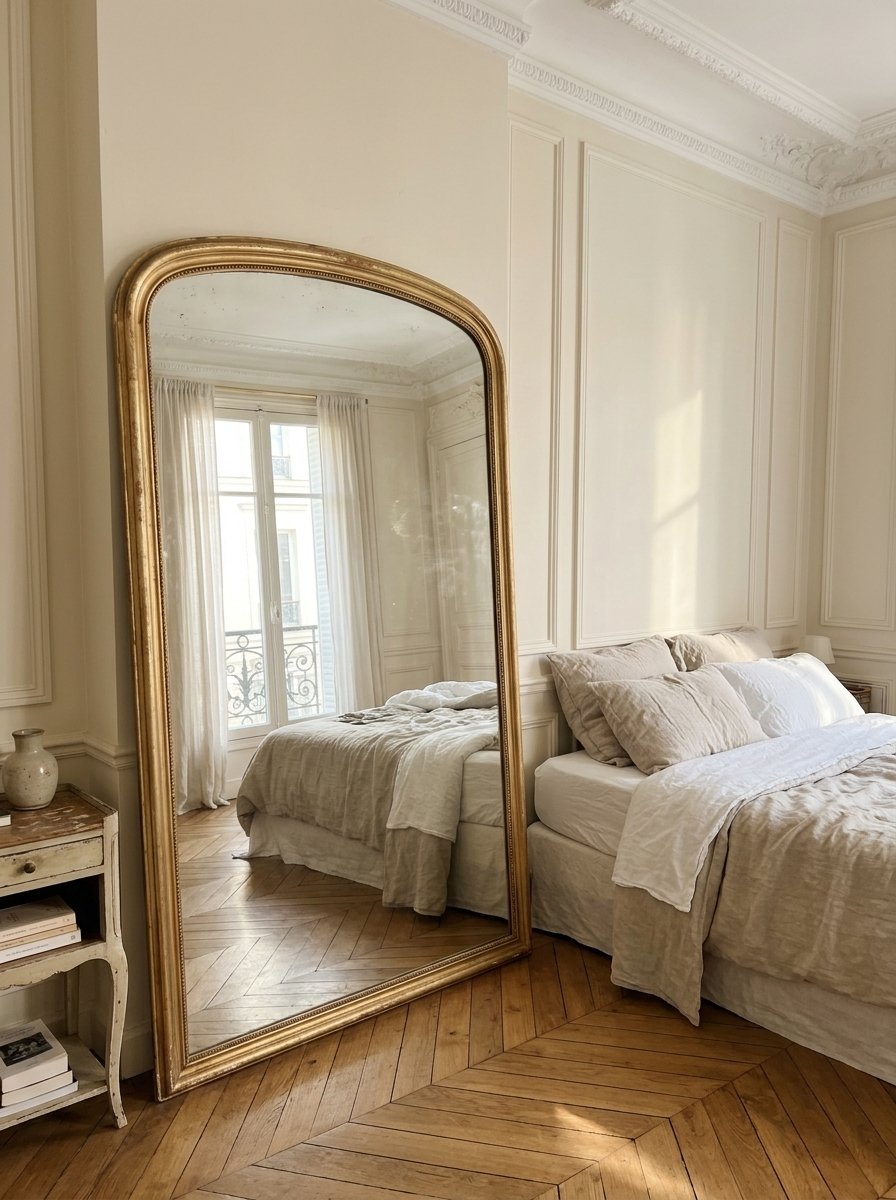
A tall floor mirror makes a bedroom feel larger and brighter. It bounces natural light around and gives you a handy spot to check your outfit.
Lean a full-length mirror against a wall opposite a window. Choose a slim wood or black metal frame for a modern feel, or an arched mirror for a softer look. Keep it away from the foot of the bed if you do not like seeing your reflection at night.
Style a Coastal Bedroom
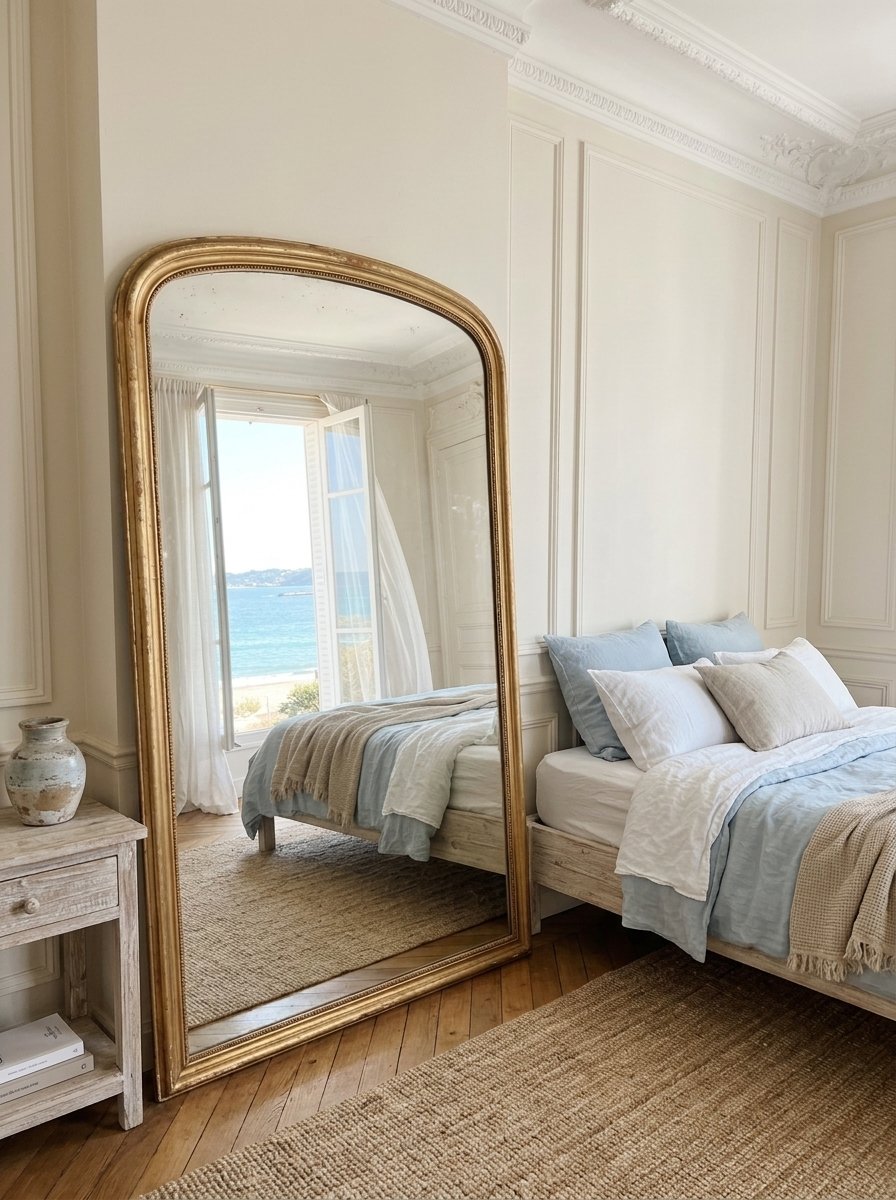
Coastal style is all about light, air, and relaxed comfort. Think white walls, soft blue accents, and natural textures like linen and jute.
Use a pale oak bed frame and breezy cotton curtains. Add a woven rug, a few shells in a bowl, and a sand-colored throw. Skip bold anchors and ships. A restrained palette feels more modern and less themed.
Focus on Bedroom Lighting
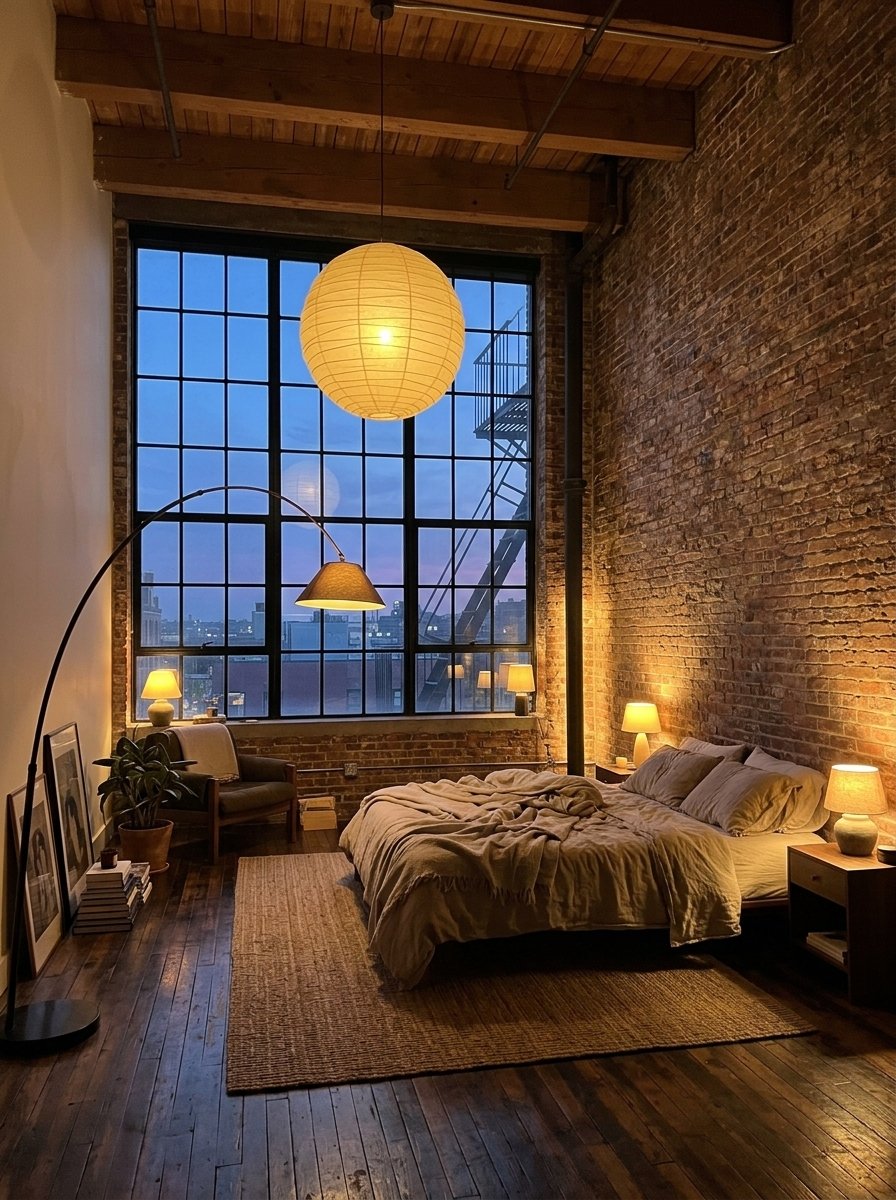
Lighting changes how a room feels more than almost any other detail. Use three layers: ambient, task, and accent.
- Ambient: a ceiling fixture or dimmable recessed lights
- Task: bedside lamps or wall sconces for reading
- Accent: LED strips, picture lights, or a small table lamp
Choose warm bulbs around 2700K for a soothing glow. Put every layer on a dimmer if you can.
Hang Art Over the Bed
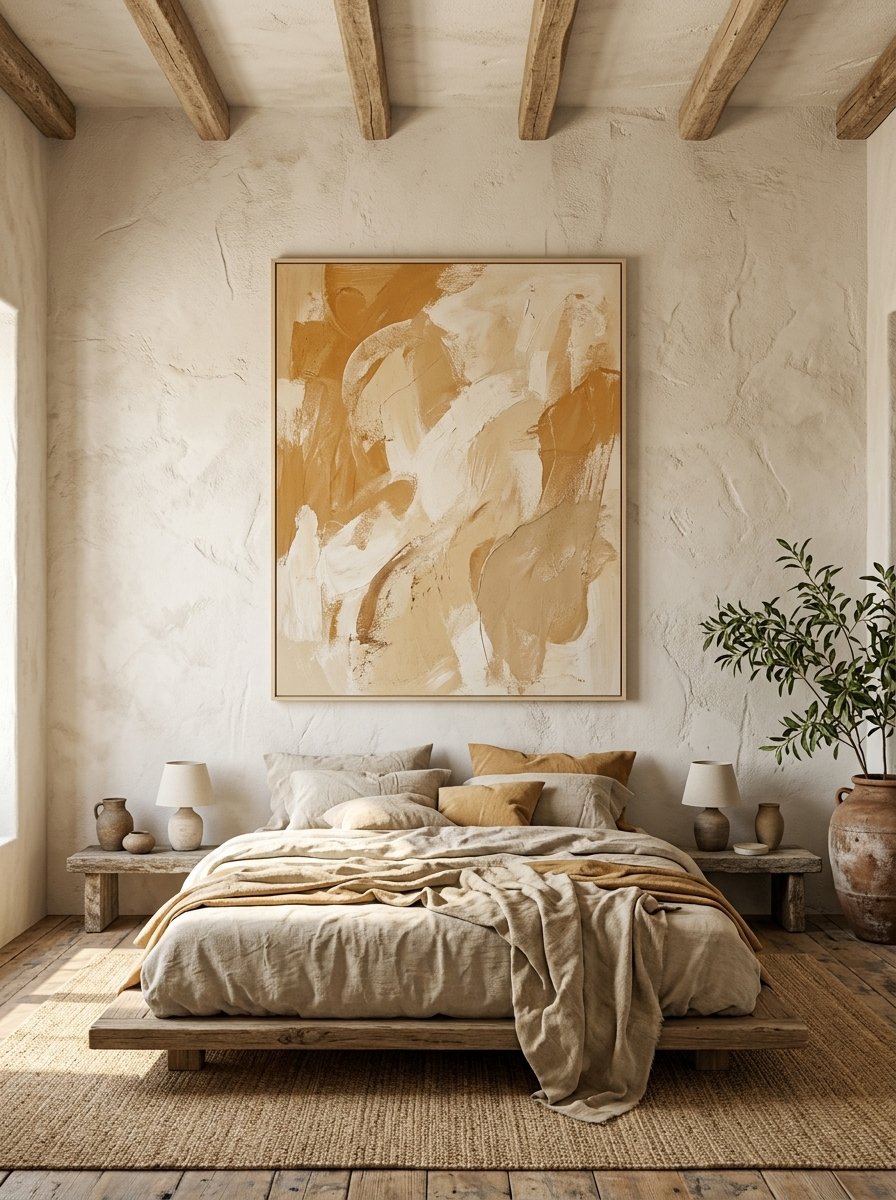
A large piece of art gives the bed wall instant personality. Choose one oversized canvas, or a pair of matching frames, to anchor the space.
Hang the art about 6 to 10 inches above the headboard. The center of the piece should sit at roughly eye level when you stand. Soft landscapes, abstract prints, and black-and-white photography are safe, calming choices.
Layer Textures
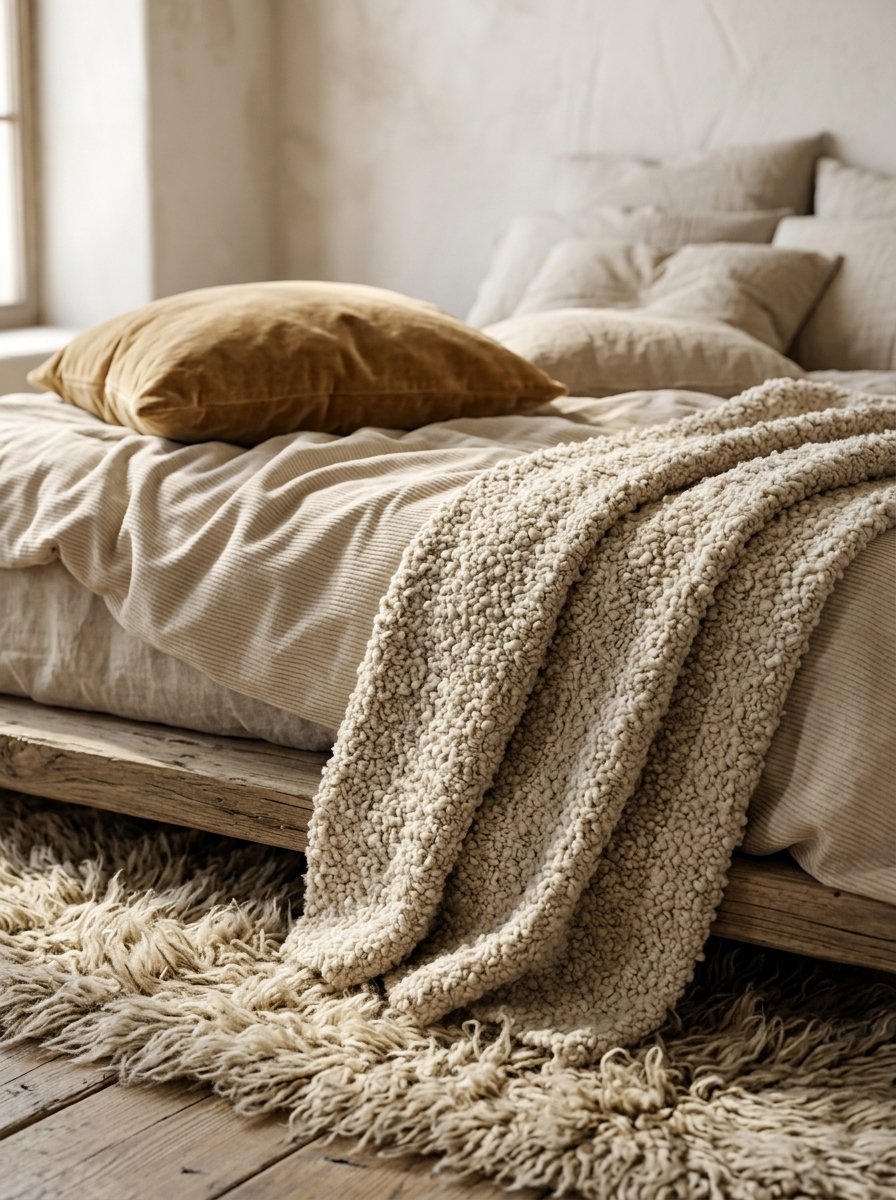
Texture adds depth, and it is the secret behind most cozy hotel-style rooms. Mix smooth, soft, and rough surfaces so the room feels rich without adding color.
Try a linen duvet, a chunky knit throw, velvet pillows, and a wool rug. Use no more than three or four colors, and let the textures do the work. Layering also makes seasonal swaps easy.
Maximize Bedroom Storage
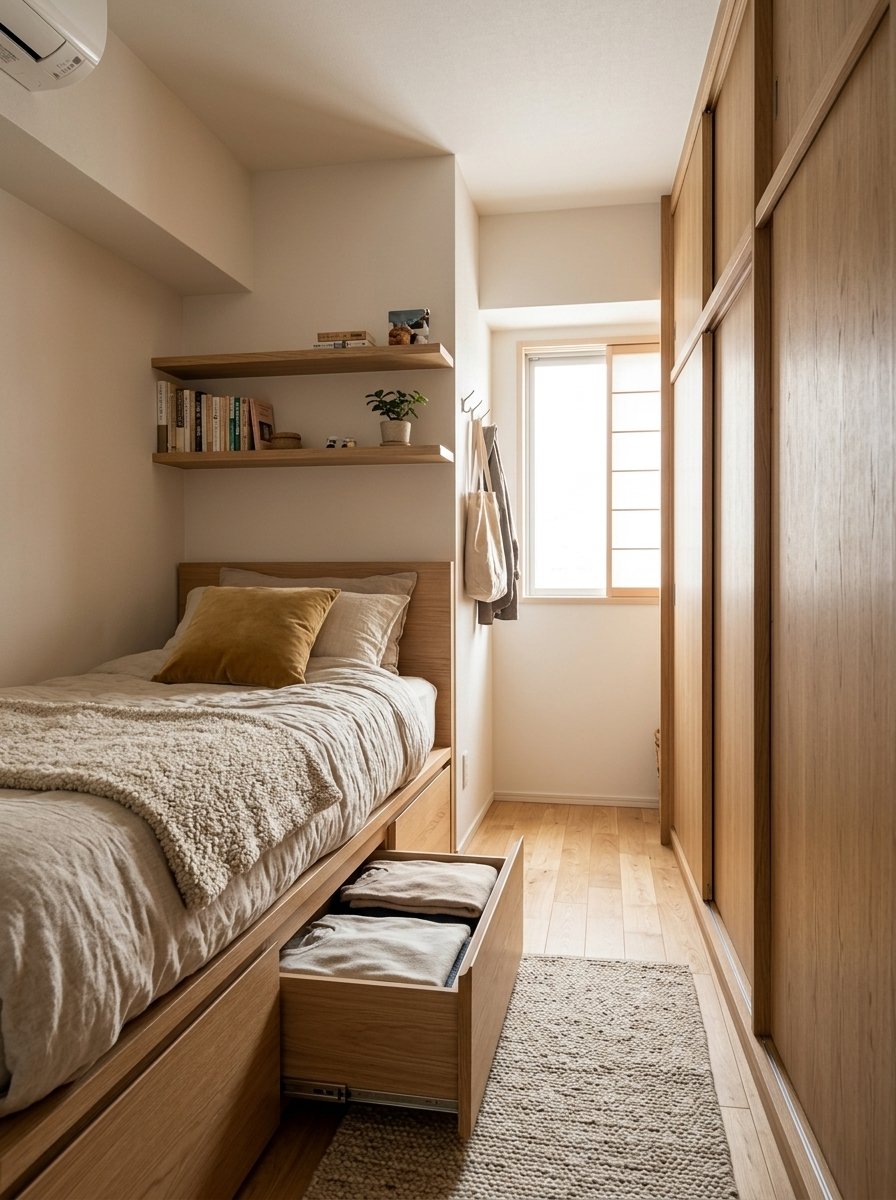
Clutter is the fastest way to ruin a calm bedroom. Smart storage keeps the space tidy without making it feel crowded.
- Choose a bed with built-in drawers.
- Use under-bed bins on rolling tracks.
- Add floating shelves above a dresser.
- Hang hooks behind the door for robes and bags.
For a closer look at space-saving ideas, see our guide to small bedroom storage ideas.
Add a Bedroom Window Seat
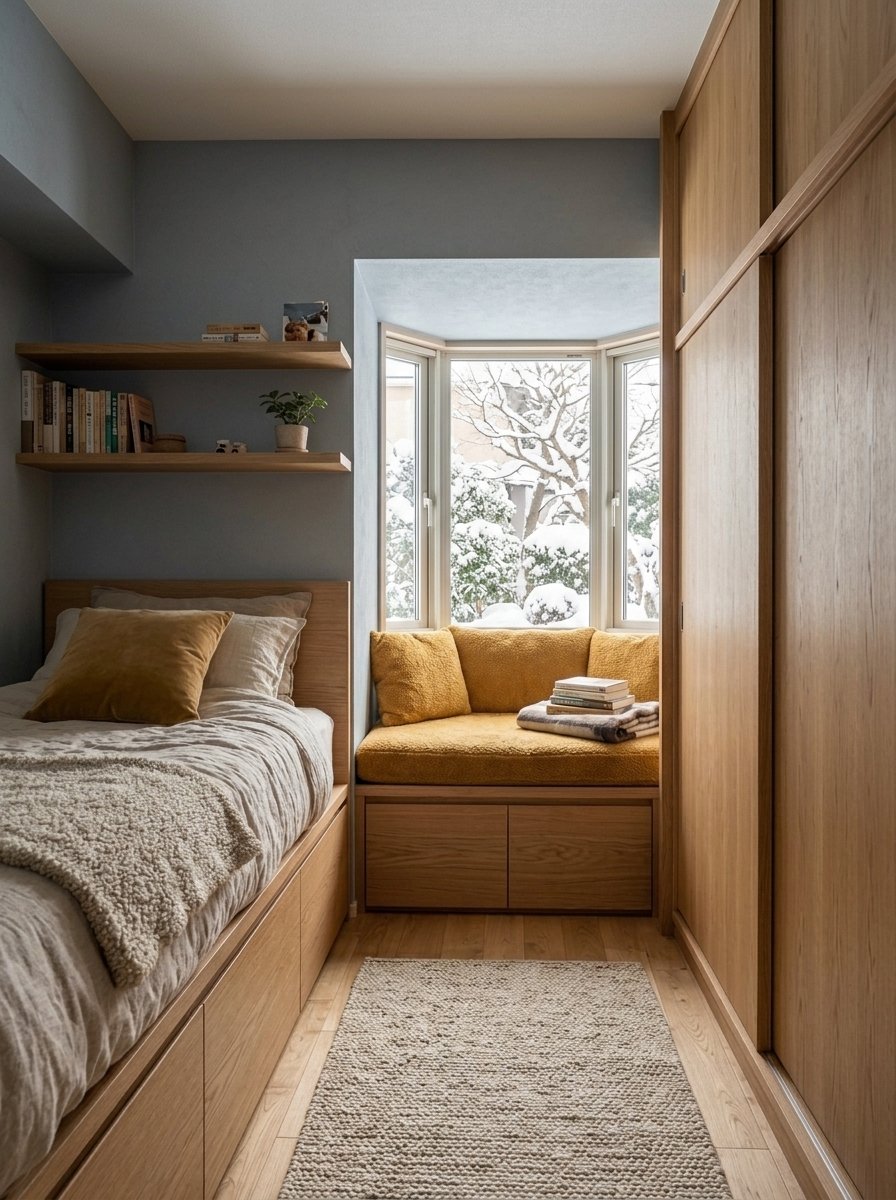
A window seat turns an empty corner into a reading spot. It also adds hidden storage when you build drawers or lift-up lids underneath.
Add a thick cushion and a few pillows. Place a small shelf or sconce nearby for reading light. If your window faces a nice view, you will use this spot every day.
Darken Bedroom Walls
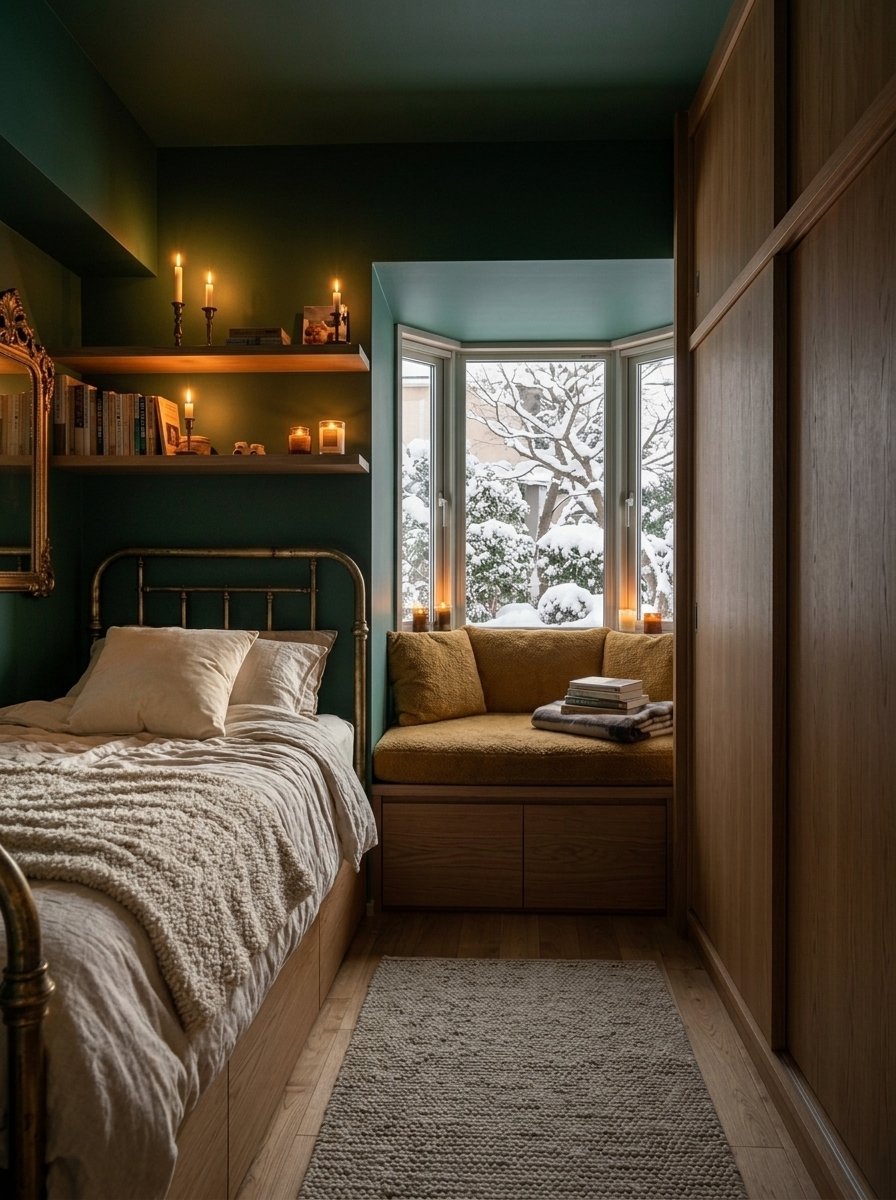
Dark walls make a bedroom feel intimate and enveloping. Deep navy, forest green, charcoal, and plum all create a hotel-suite mood.
Paint the walls and trim in the same color for a seamless look. Add warm lighting and light-colored bedding so the room does not feel heavy. Dark colors also hide small wall imperfections well.
Build a Bedroom Library
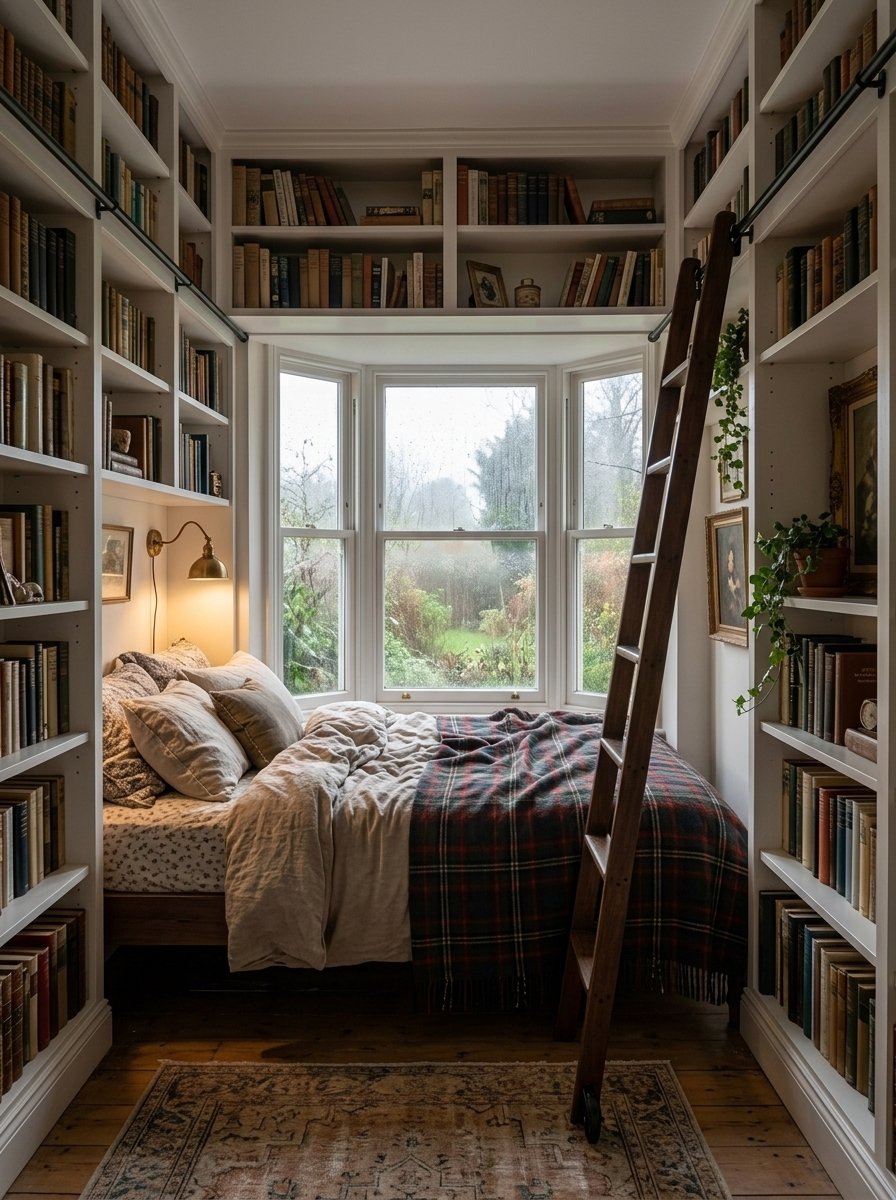
If you love books, bring them into your sleeping space. Built-in shelves along one wall give you storage and character at the same time.
Mix books with plants, framed photos, and small objects so the shelves feel styled, not crowded. Add picture lights above the shelves for a soft glow. A cozy chair beside the shelves completes the scene.
Include Bonus Seating
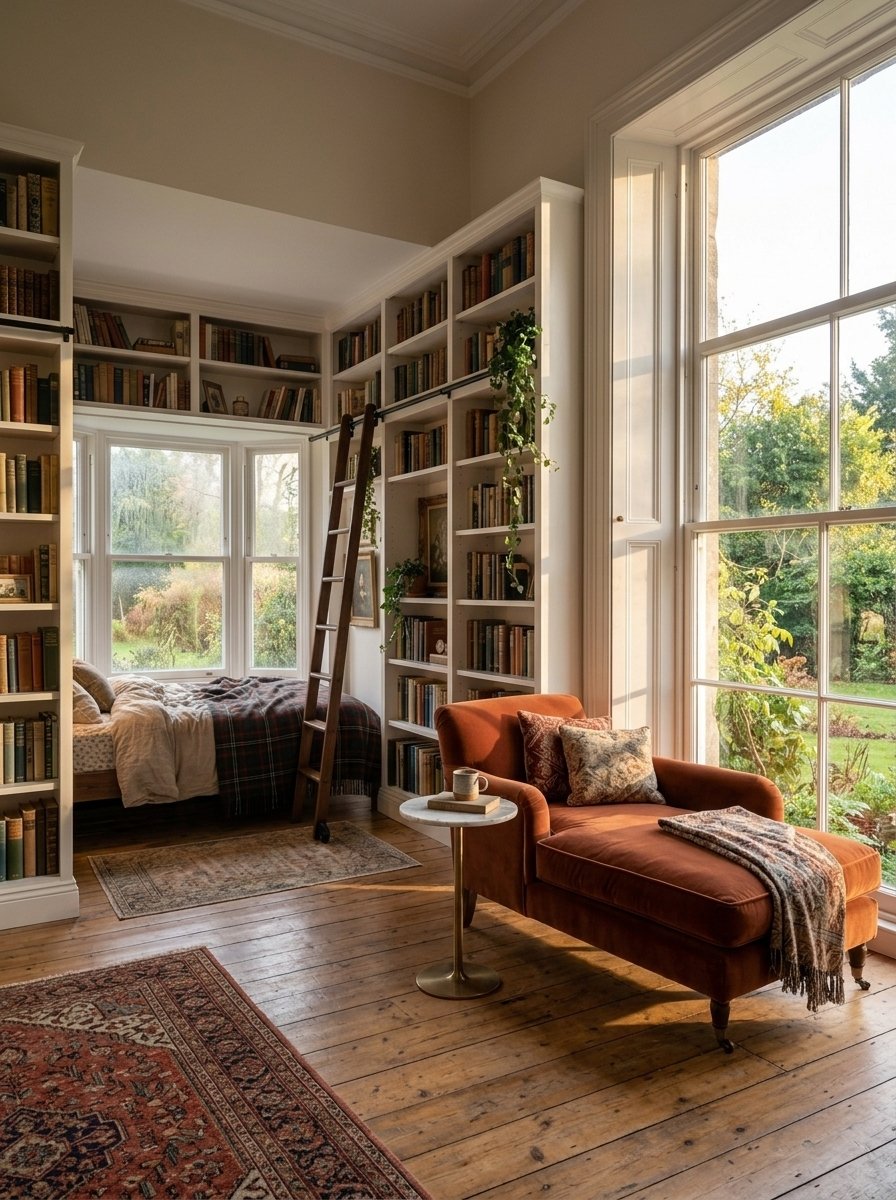
A small seating area makes a primary bedroom feel like a suite. Even a compact chair and side table can be enough.
Try a lounge chair by the window, a bench at the foot of the bed, or a pair of poufs. These spots are great for putting on shoes, folding laundry, or drinking coffee in the morning.
Plant a Tree in the Bedroom
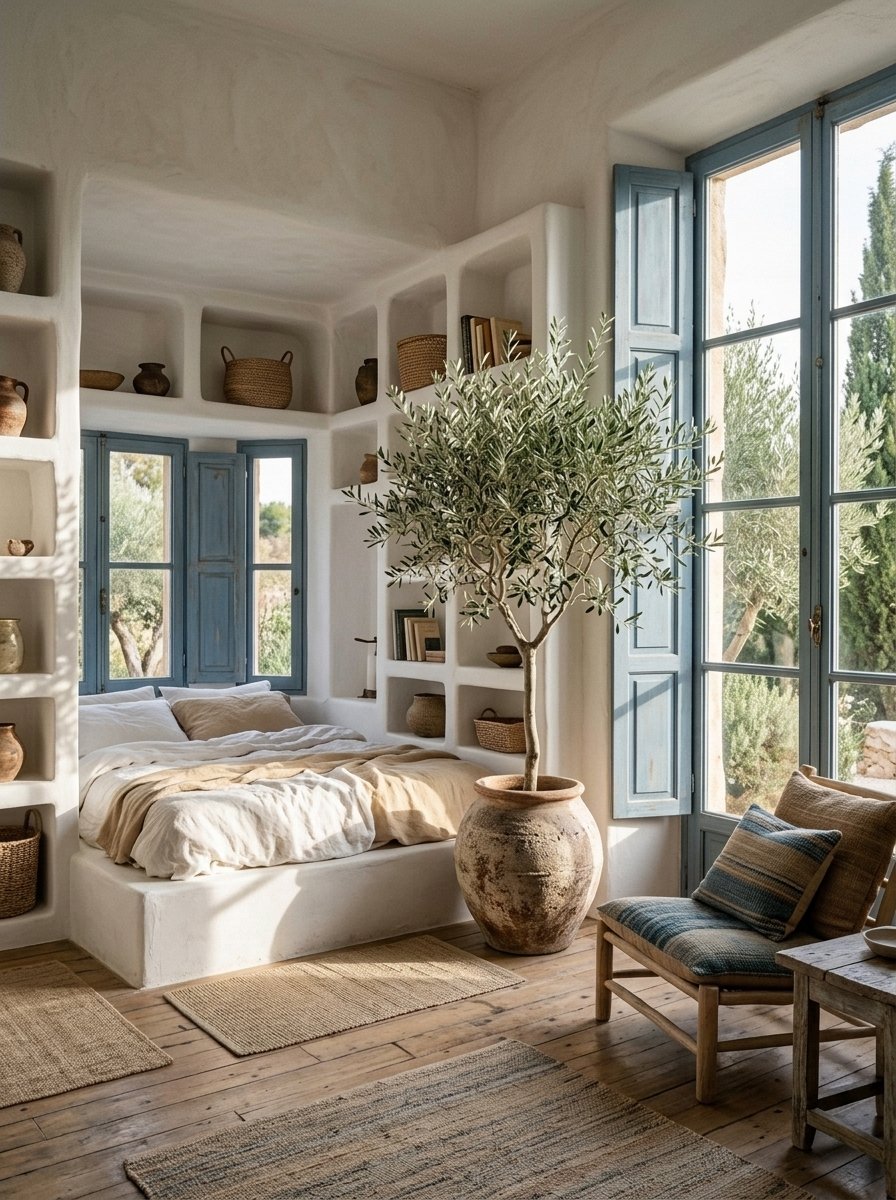
A large indoor tree adds life and a fresh, organic touch. A fiddle-leaf fig, olive tree, or rubber plant all work well near a bright window.
Use a simple ceramic or woven planter that matches your room. Plants soften hard lines and bring the outdoors in. Check that the species suits your light level so it stays healthy.
Play With Ombre Paint
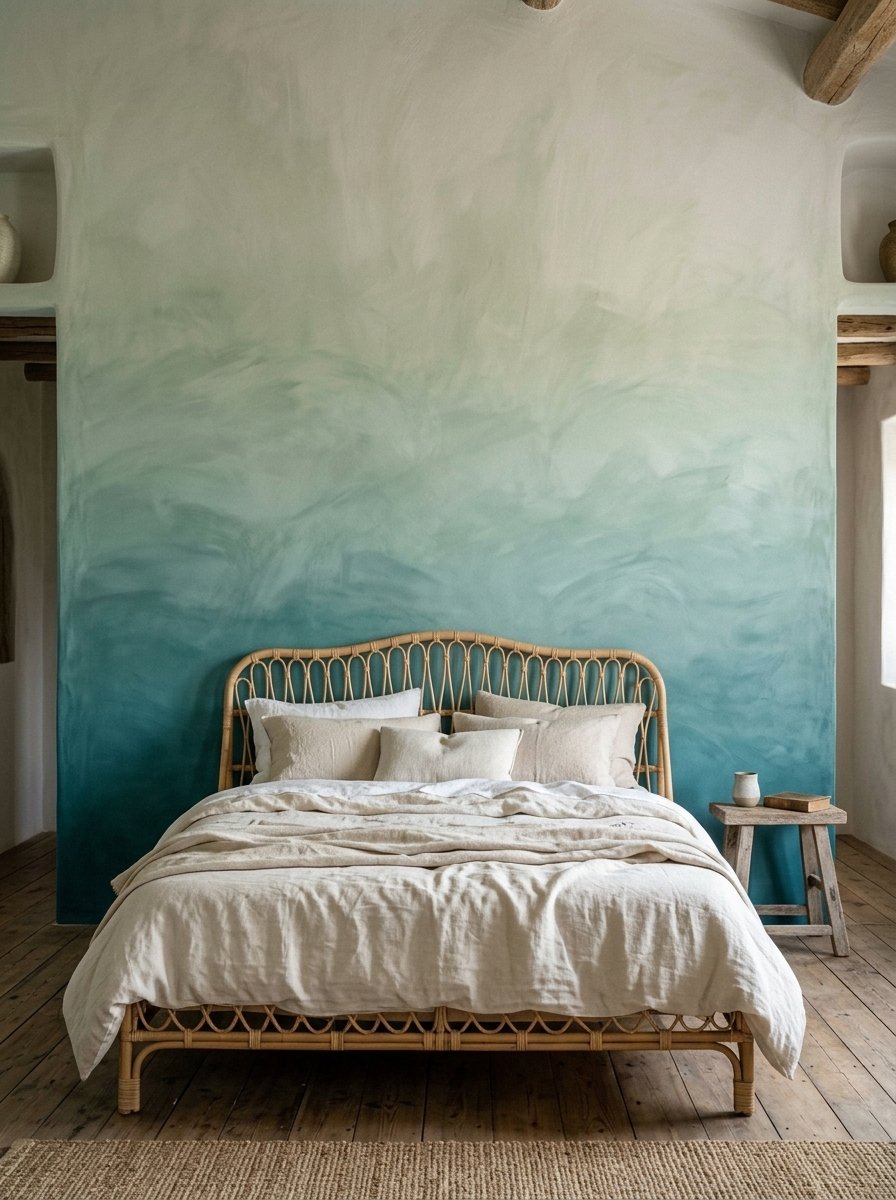
An ombre wall fades from one shade to another and creates a soft, modern effect. It works especially well behind the bed.
Choose two or three shades from the same color family. Blend the paint while it is wet using a dry brush for a smooth gradient. Blush to cream, or sage to white, are popular, calming combinations.
Choose a Towering Headboard
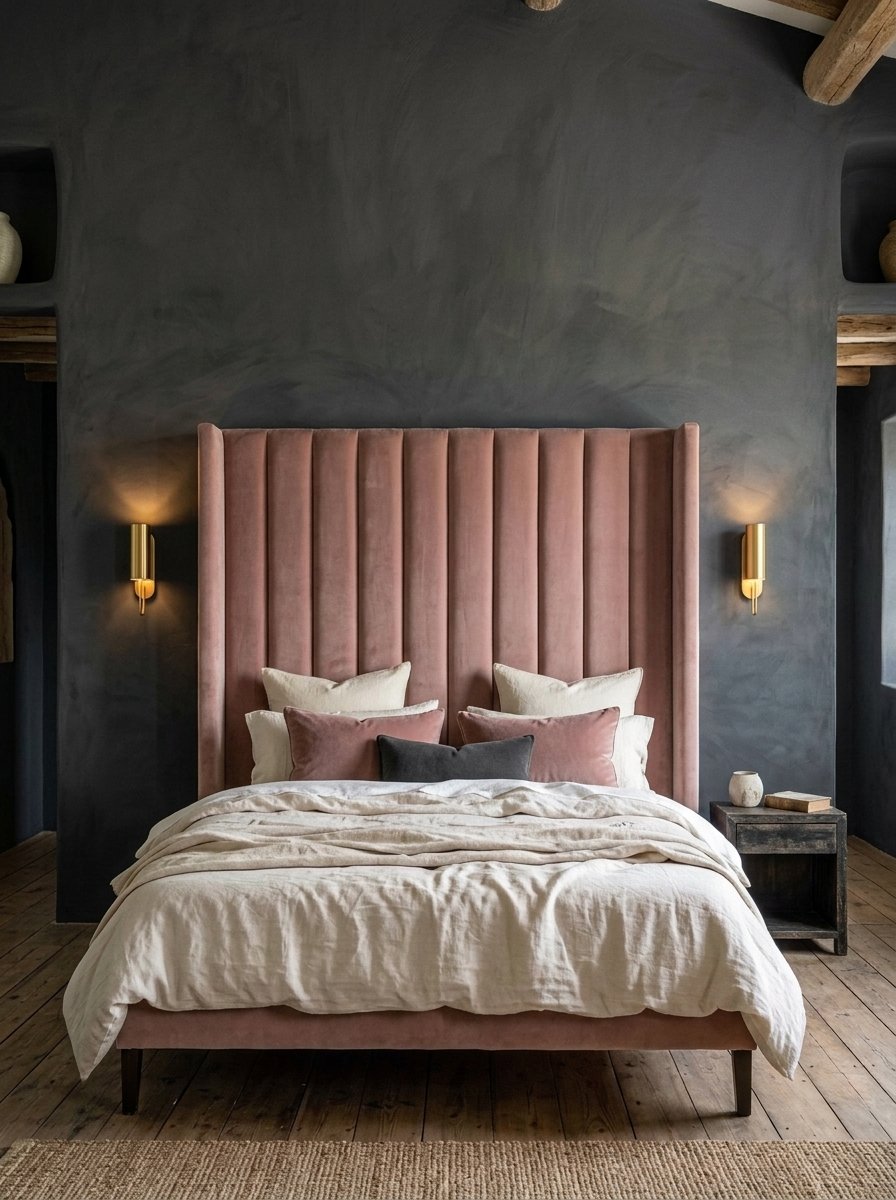
A tall headboard instantly adds drama and makes ceilings look higher. It also gives you something comfortable to lean on when reading.
Upholstered styles in velvet or bouclé feel luxurious. Wood slat designs add warmth and a modern edge. Pick a headboard that is at least a few inches wider than the mattress for a balanced look.
Control Bedroom Lighting
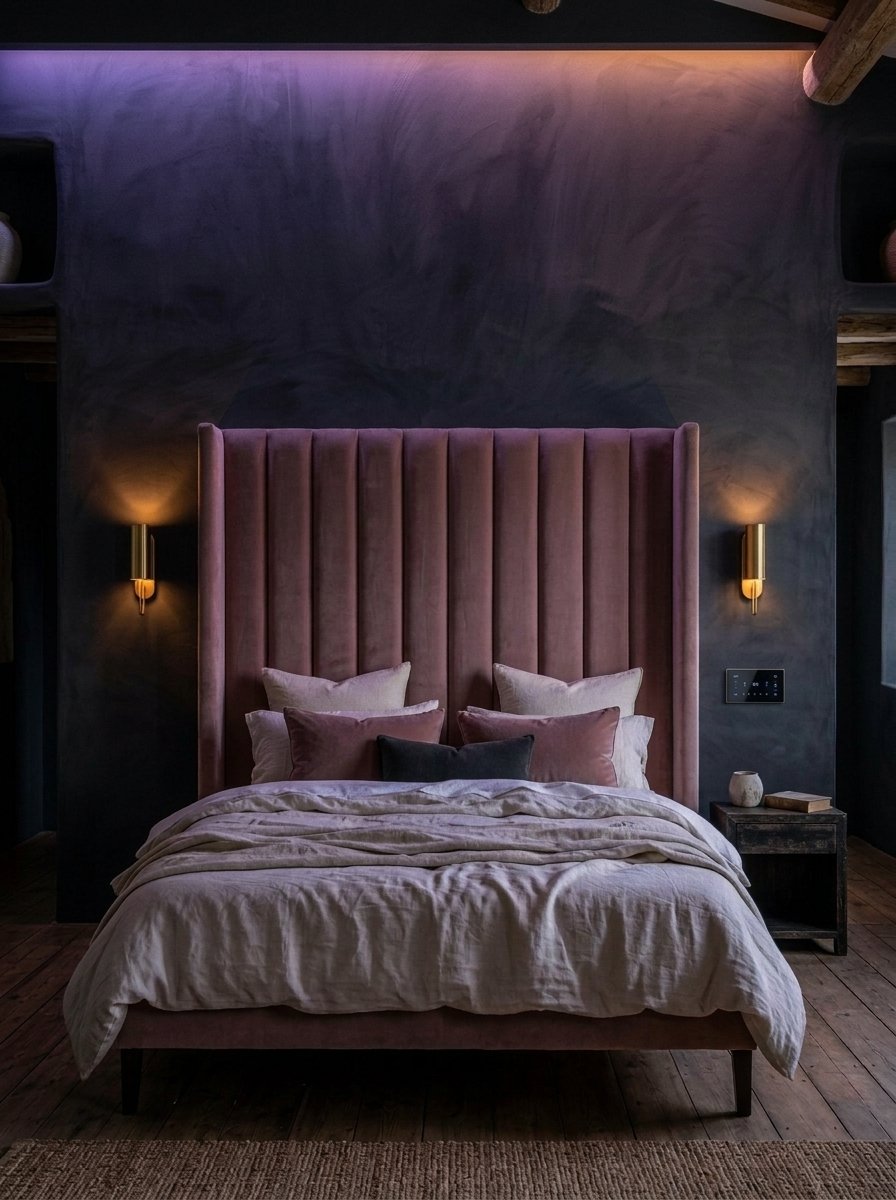
Smart controls make a bedroom easier to live in. Imagine turning every light off from the bed without getting up.
Install dimmer switches, bedside switch panels, or smart bulbs you can control by app. Set a scene for evening and another for morning. Convenient controls make the room feel thoughtfully designed.
Cover Walls in Chocolate
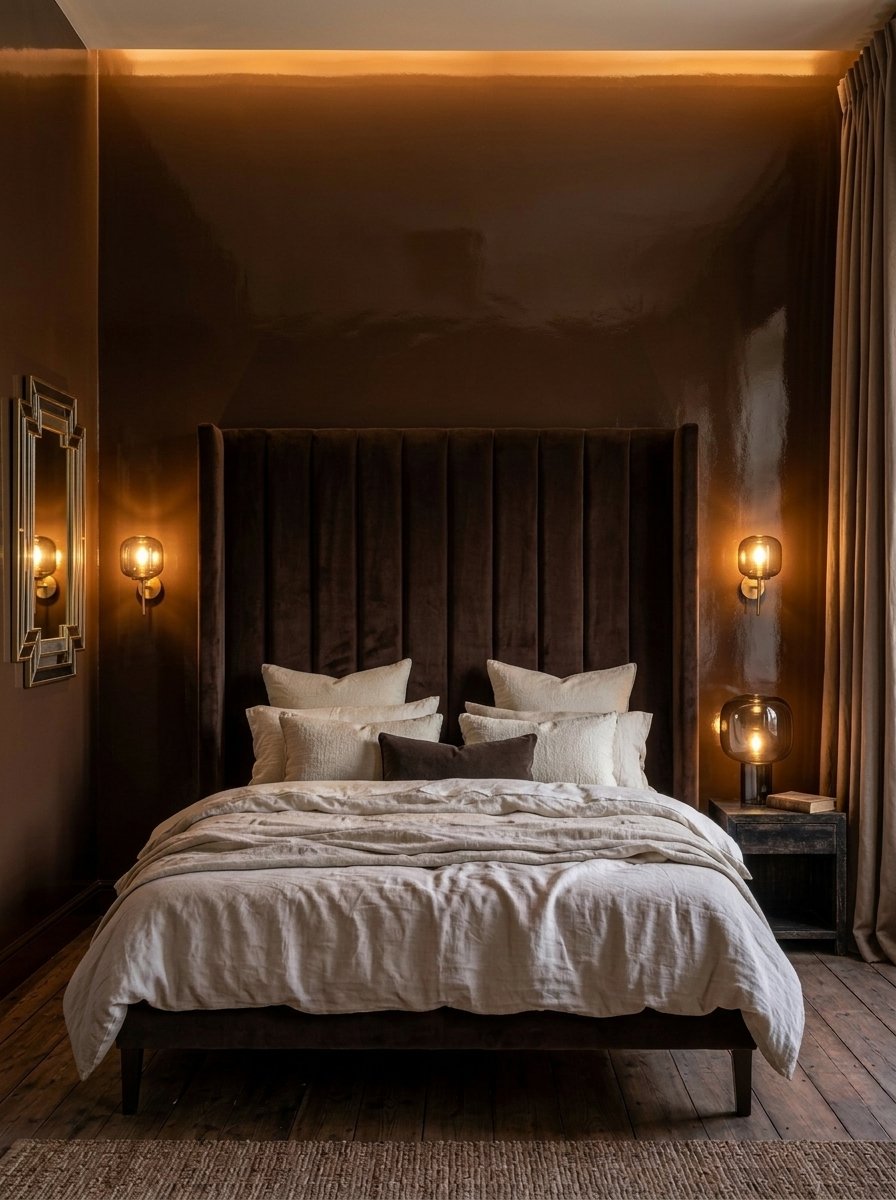
Rich chocolate brown is back, and it feels warm and sophisticated. It pairs well with cream bedding, brass fixtures, and soft white curtains.
Use a matte or velvety finish to avoid a shiny look. Add texture with wool throws and wood furniture. A brown bedroom works best with good lighting, so layer lamps and sconces.
Build In Nightstands
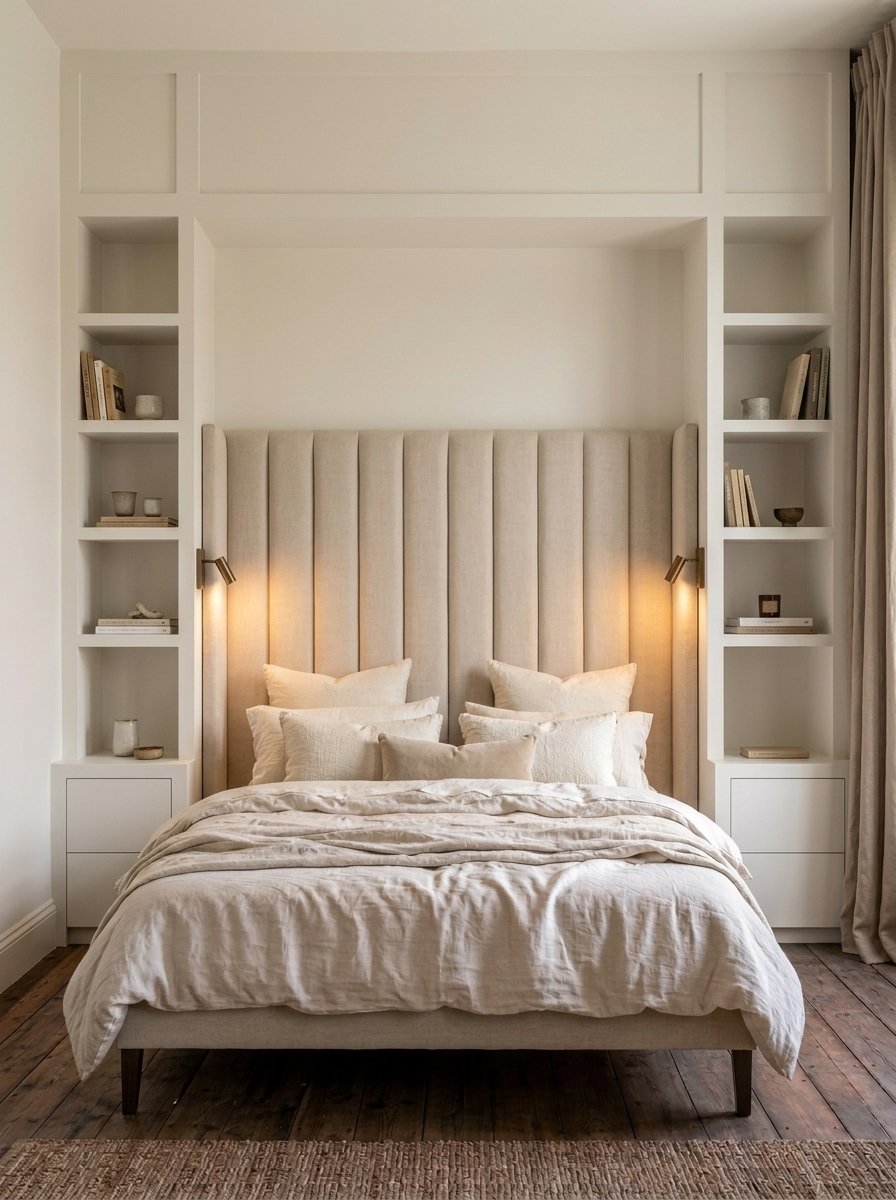
Built-in nightstands save floor space and give a custom look. They can be recessed into wall niches or built as floating shelves on both sides of the bed.
Add outlets and USB ports inside for chargers. Install small wall lights so you do not need table lamps. This idea suits narrow rooms very well.
Install a Glass Door

A glass door lets light travel between rooms. A glass-paneled door to a bathroom, closet, or balcony makes the whole suite feel bigger.
Frosted or reeded glass gives privacy while keeping the brightness. Black metal frames add a modern industrial look. Wood frames suit traditional and farmhouse styles.
Drop the Bedroom Ceiling

A lowered or tray ceiling can create a cozy, defined space. It also lets you hide recessed lights or a soft cove glow.
Paint the dropped section a deeper color than the walls to add depth. Wood slats are another stylish option. This idea works best in rooms with higher ceilings.
Install a Bedroom Fireplace
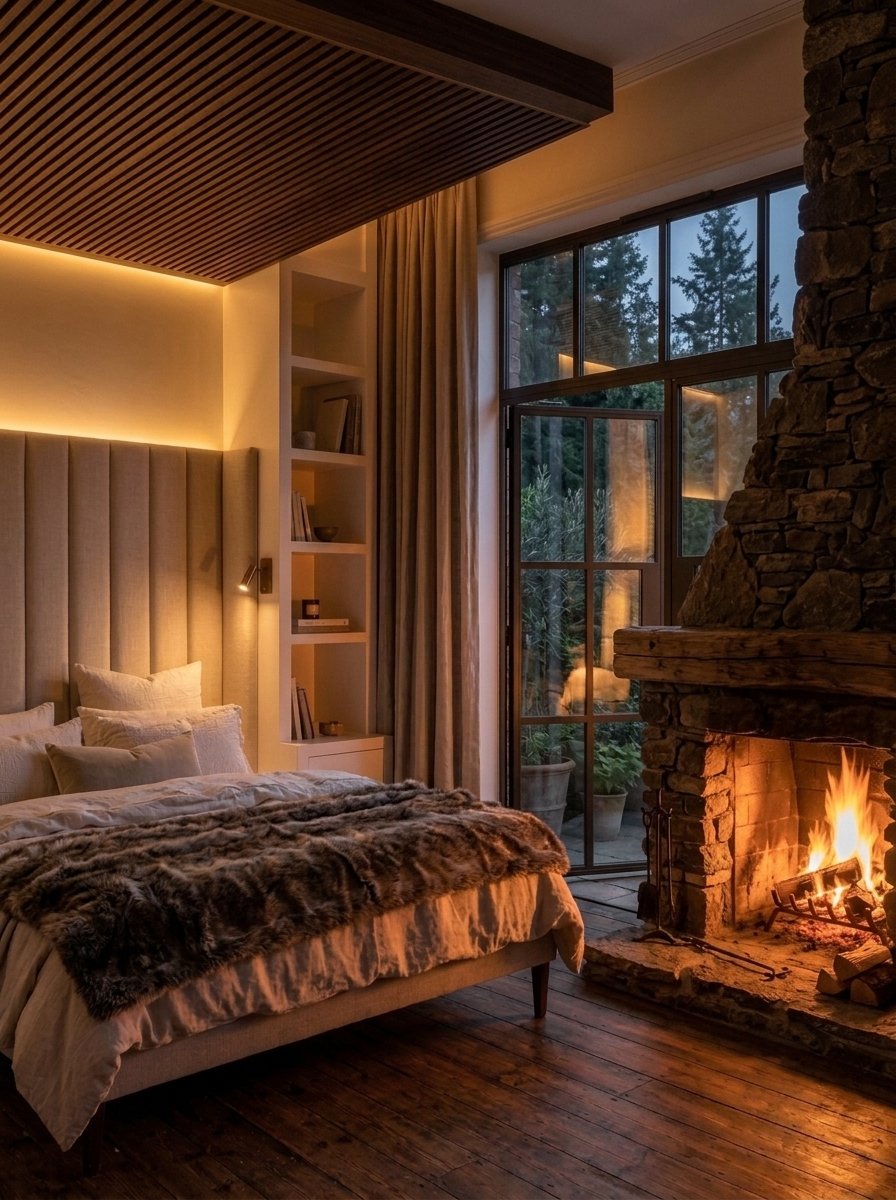
A fireplace brings warmth and romance. Electric and gas models make this idea possible in many homes without a chimney.
Place it on the wall opposite the bed, or build it into a sitting area. Frame it with stone, tile, or painted plaster. Add a simple shelf above for art or candles.
Accent With Colorful Bedding
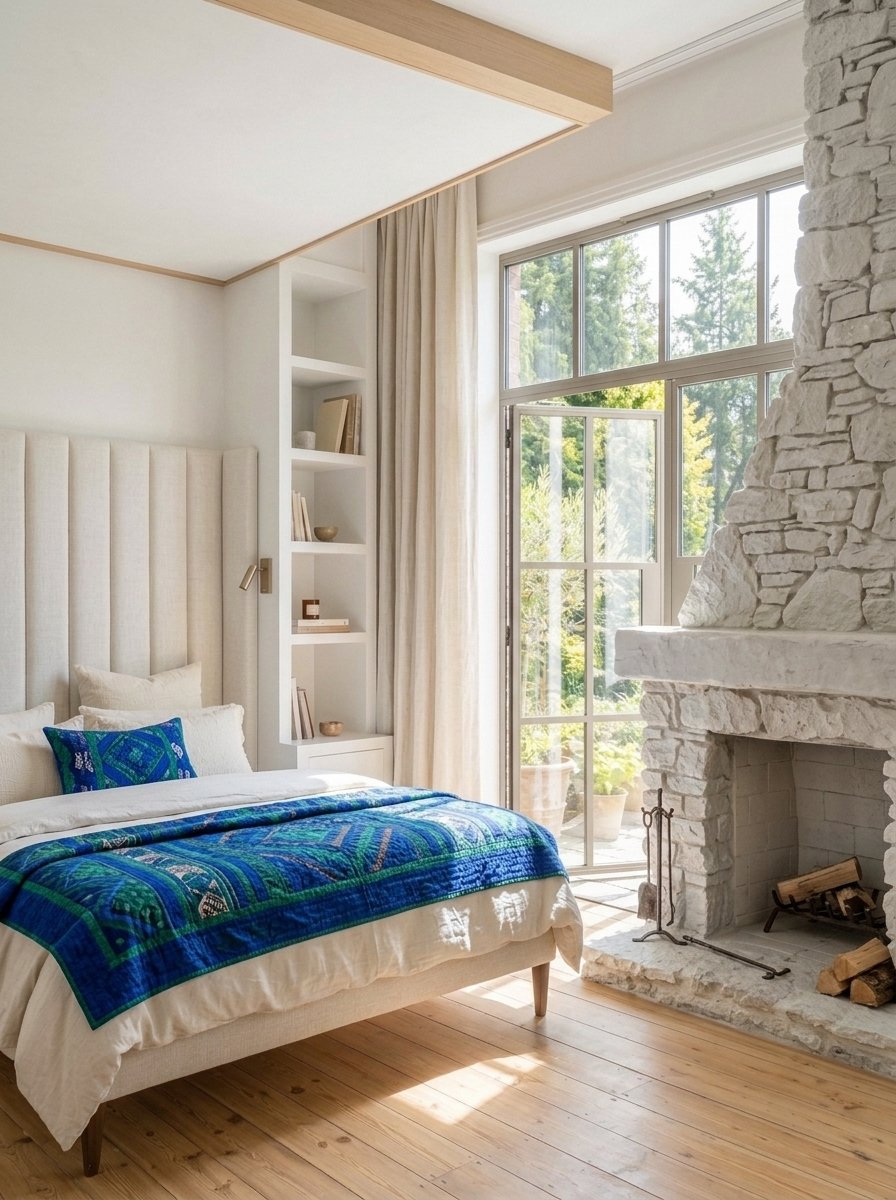
If you are not ready to paint, bedding is the easiest way to add color. A single bold duvet can change the whole room.
Pick one hero color, such as emerald, mustard, or terracotta. Repeat it in a pillow or throw so the look feels intentional. Keep walls neutral so the bedding stands out.
Choose a Modern Canopy Bed
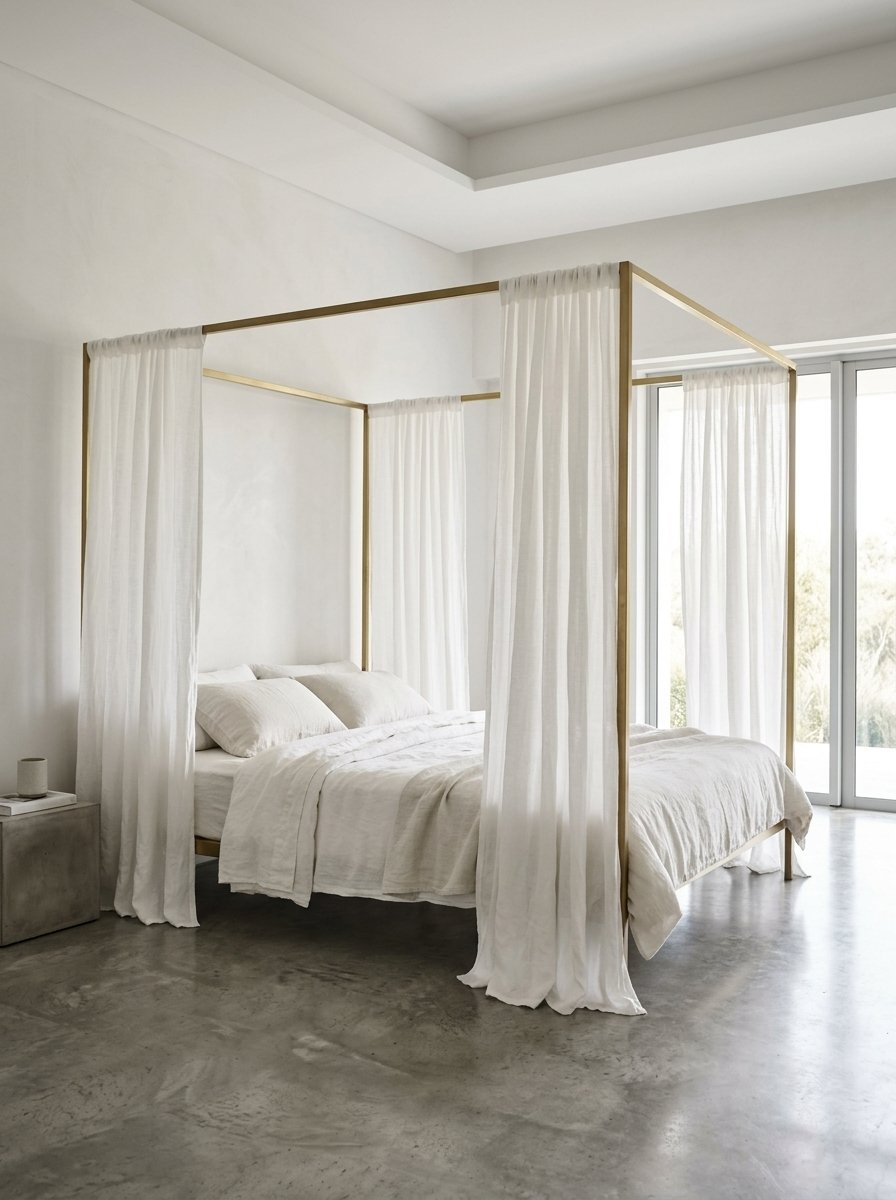
Modern canopy beds use slim metal or wood frames in place of heavy drapes. They add height and structure without feeling old-fashioned.
Black steel frames look striking in minimalist rooms. Add sheer curtains for softness if you want a romantic feel. This is a great way to make a statement without crowding the room.
Pair Black and Gray
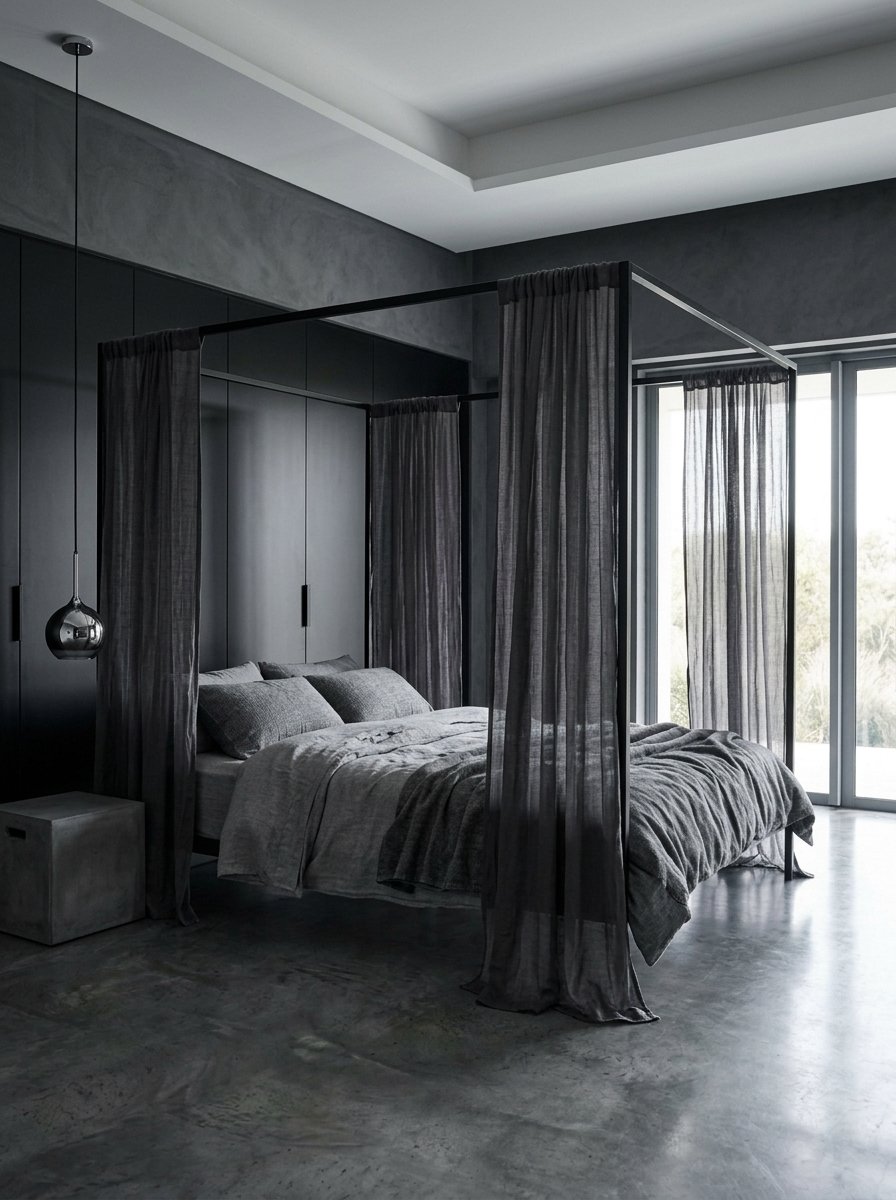
Black and gray together feel crisp, calm, and grown-up. It is a smart palette for anyone who loves a clean, modern look.
Use gray walls, black bed hardware, and charcoal bedding. Add white or wood accents to keep the room from feeling flat. Mix matte and shiny finishes for depth.
Try a Scandi-Style Bed

Scandinavian bedrooms are simple, bright, and functional. A light wood bed frame with clean lines is the centerpiece.
Choose white or cream bedding with a single textured throw. Add a sheepskin rug and a few green plants. Less is more, so leave plenty of open space.
Combine Grays and Greens
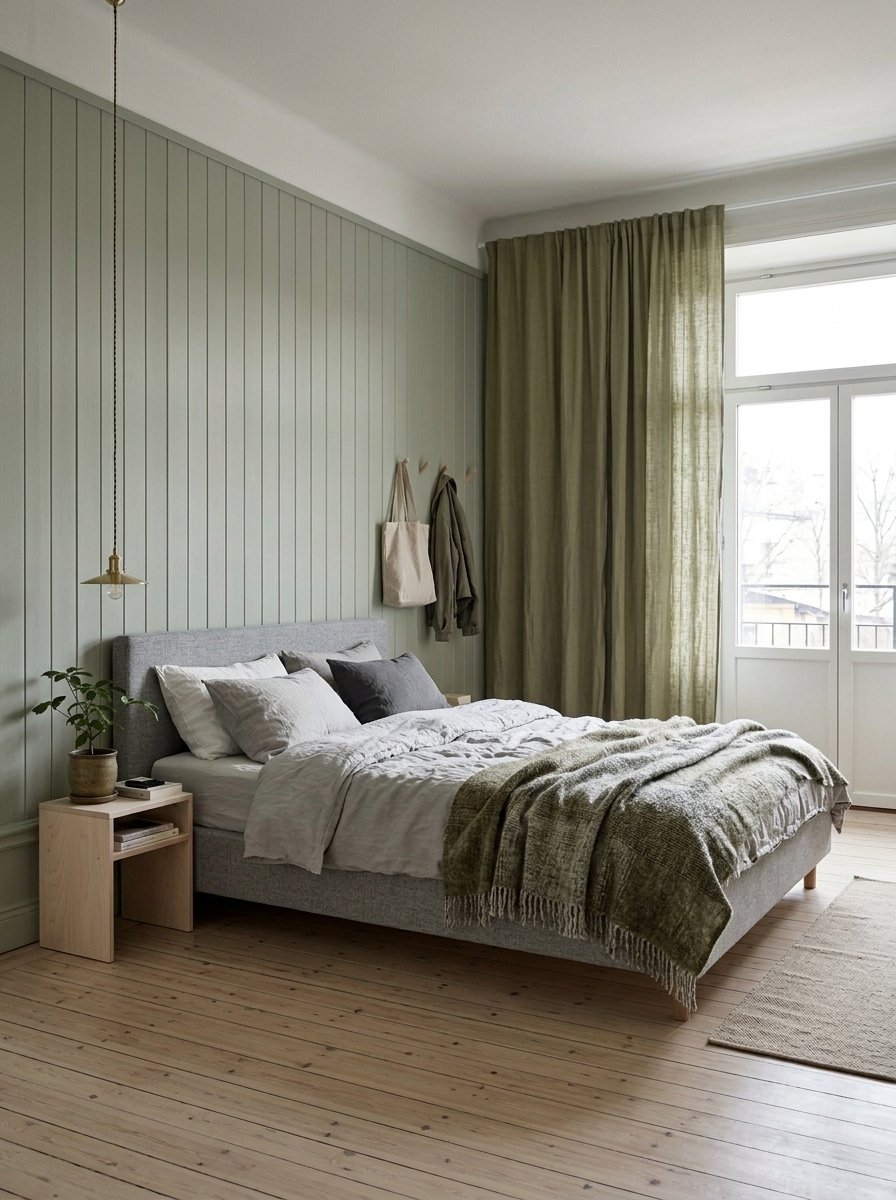
Gray and green is a soothing, nature-inspired pairing. Sage, olive, and eucalyptus look lovely against soft gray walls.
Use green on bedding or a velvet chair, and keep the walls gray. Add wood tones and brass details for warmth. The mix feels fresh and calming all year.
Choose a Dramatic Bed Frame
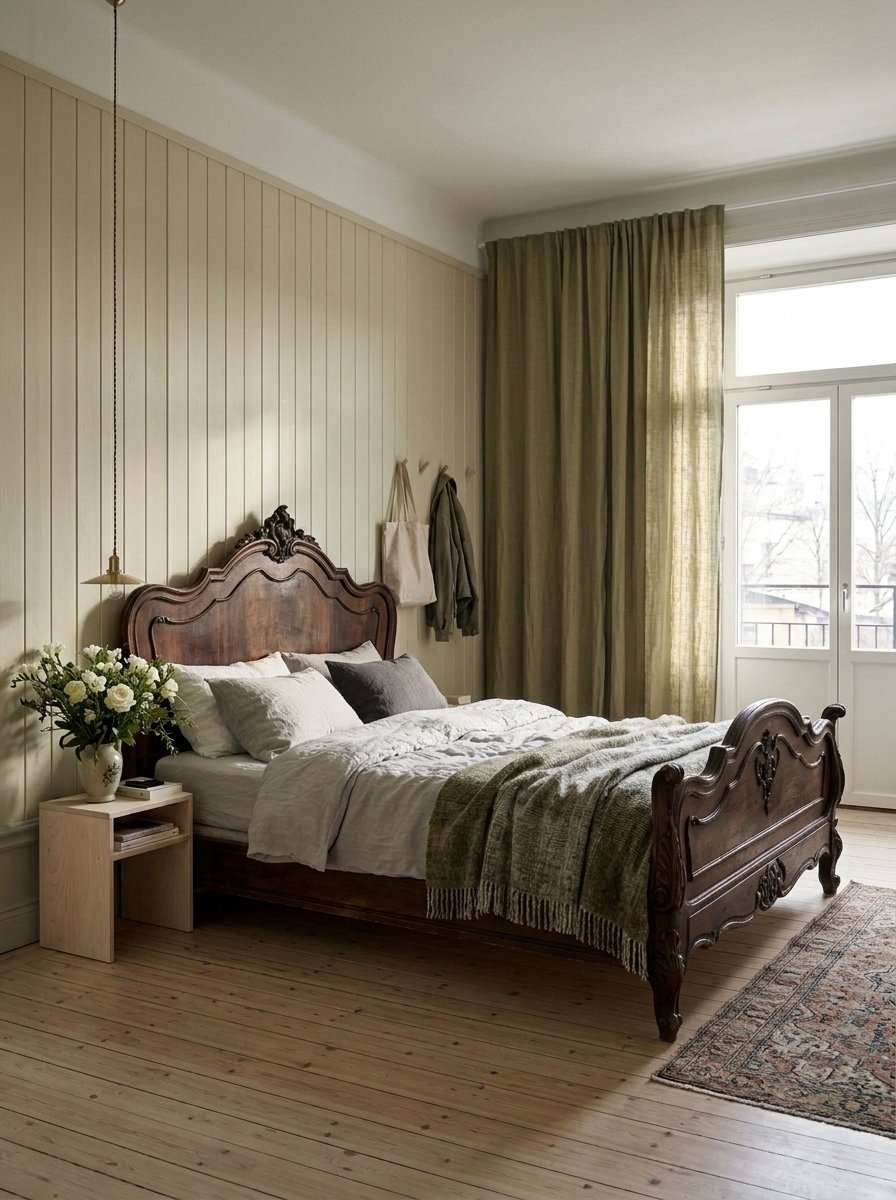
A statement bed frame turns the bedroom into a showpiece. Look for sculptural shapes, curved edges, or bold materials.
Tufted velvet, carved wood, and wrought iron are all strong choices. Keep the rest of the room simple so the frame can shine. Plain walls and quiet bedding let it be the star.
Add a Chunky Platform Bed
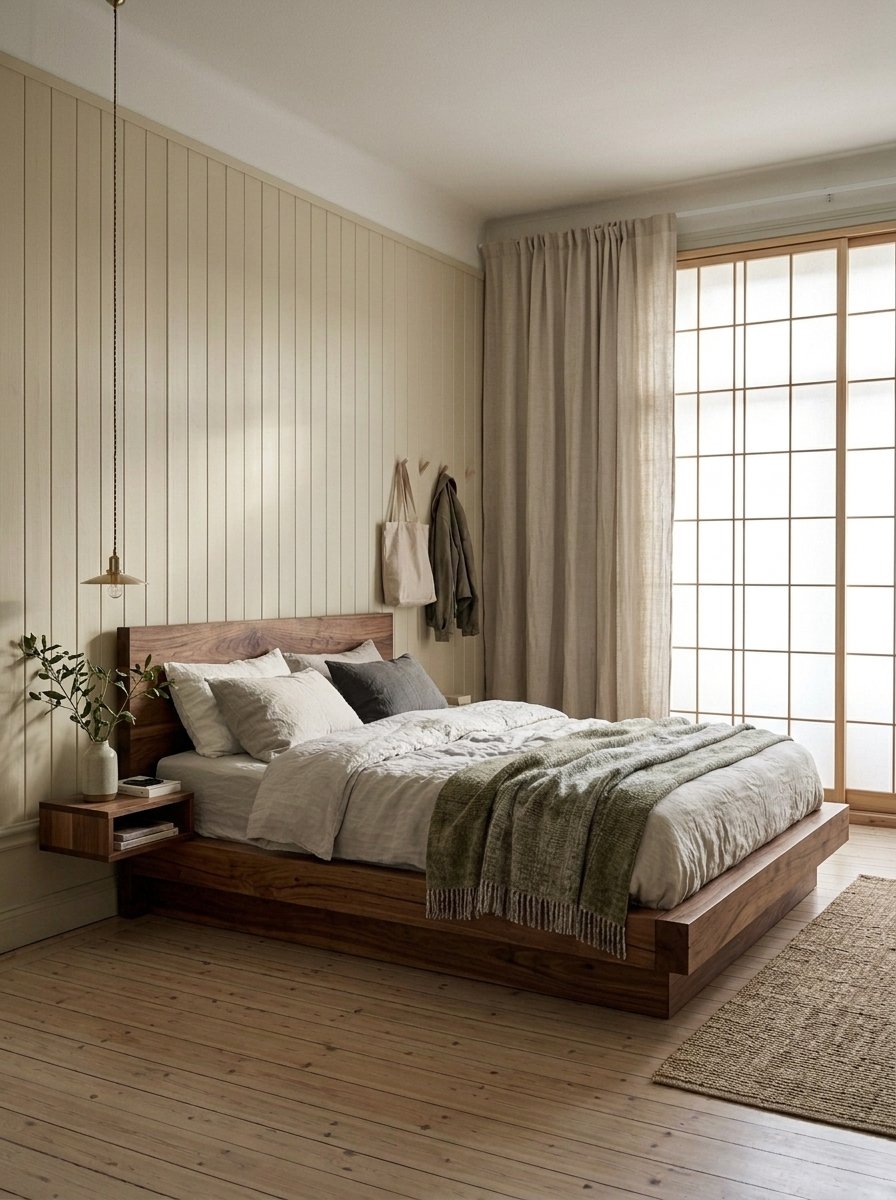
A low, thick platform bed gives a grounded, modern feel. It often includes a wide frame that doubles as a ledge for books or a lamp.
Choose wood or upholstered finishes in a neutral tone. Layer with thick bedding and a large rug. This style works well in minimalist and Japandi rooms.
Decorate with Baskets
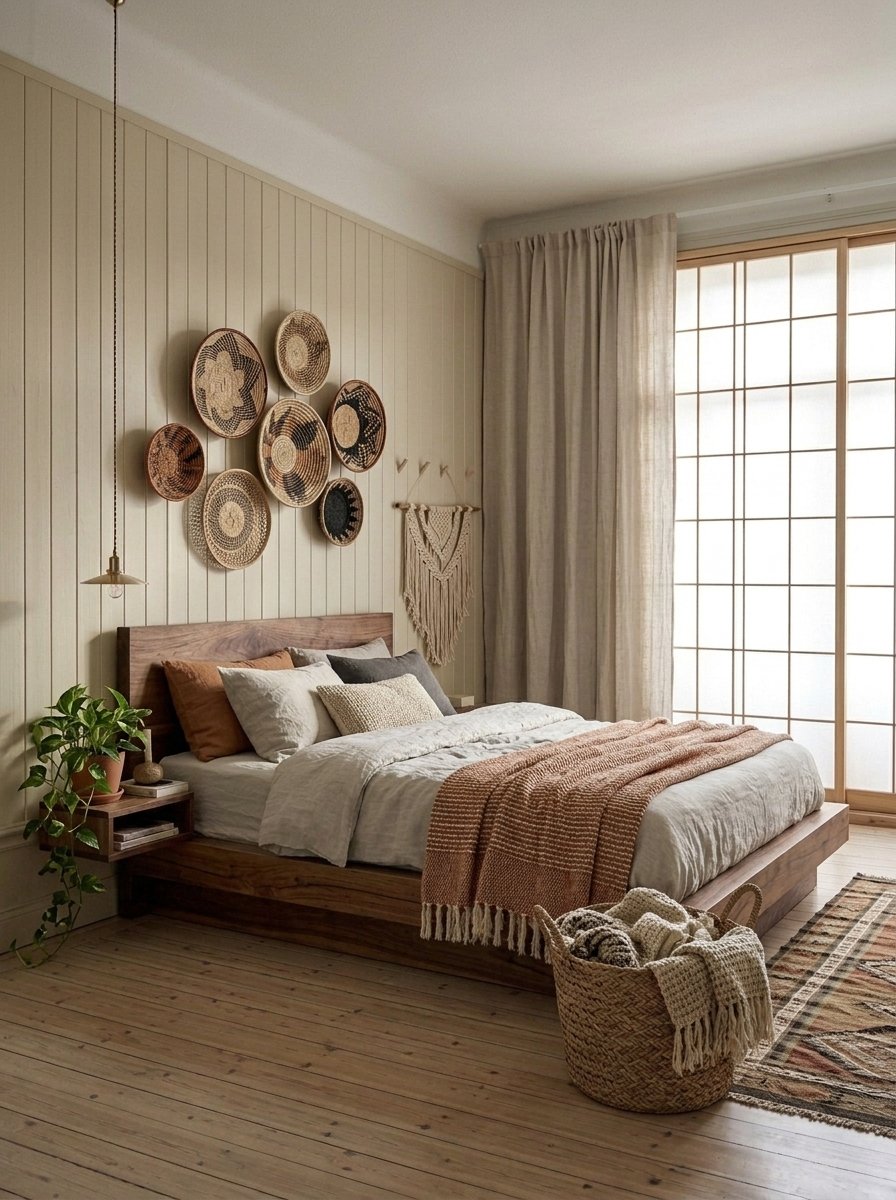
Baskets are practical and pretty. They hold blankets, laundry, or toys, and they add natural texture.
Place a large basket at the foot of the bed for throws. Hang woven baskets on the wall as art. Choose natural fibers such as seagrass or rattan for a relaxed look.
Mix Bedroom Wall Finishes
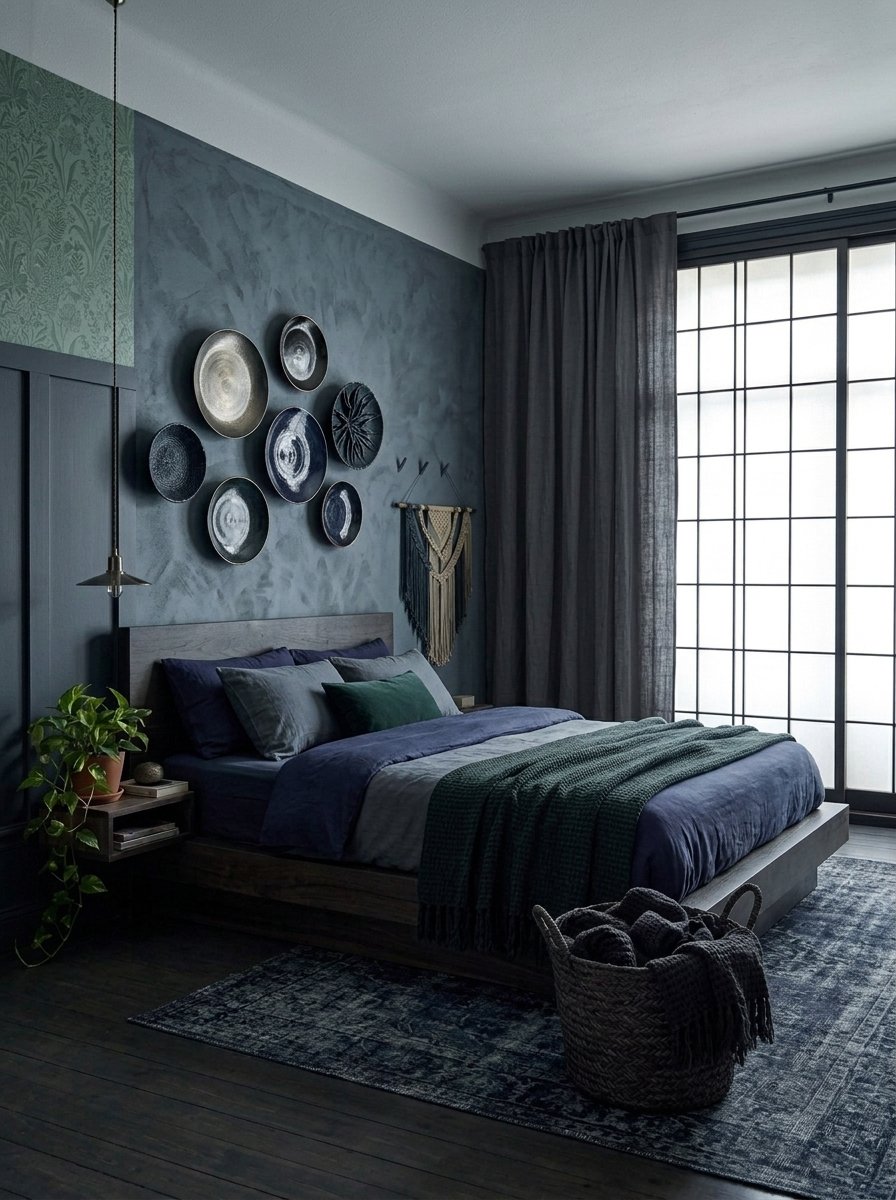
Combine different finishes to add depth. Try paint on three walls and wood paneling, wallpaper, or limewash on the wall behind the bed.
Keep the colors in the same family so it feels cohesive. Board and batten, beadboard, and slatted wood panels are popular choices. A feature wall makes the bed area feel special.
Create an Attic Bedroom
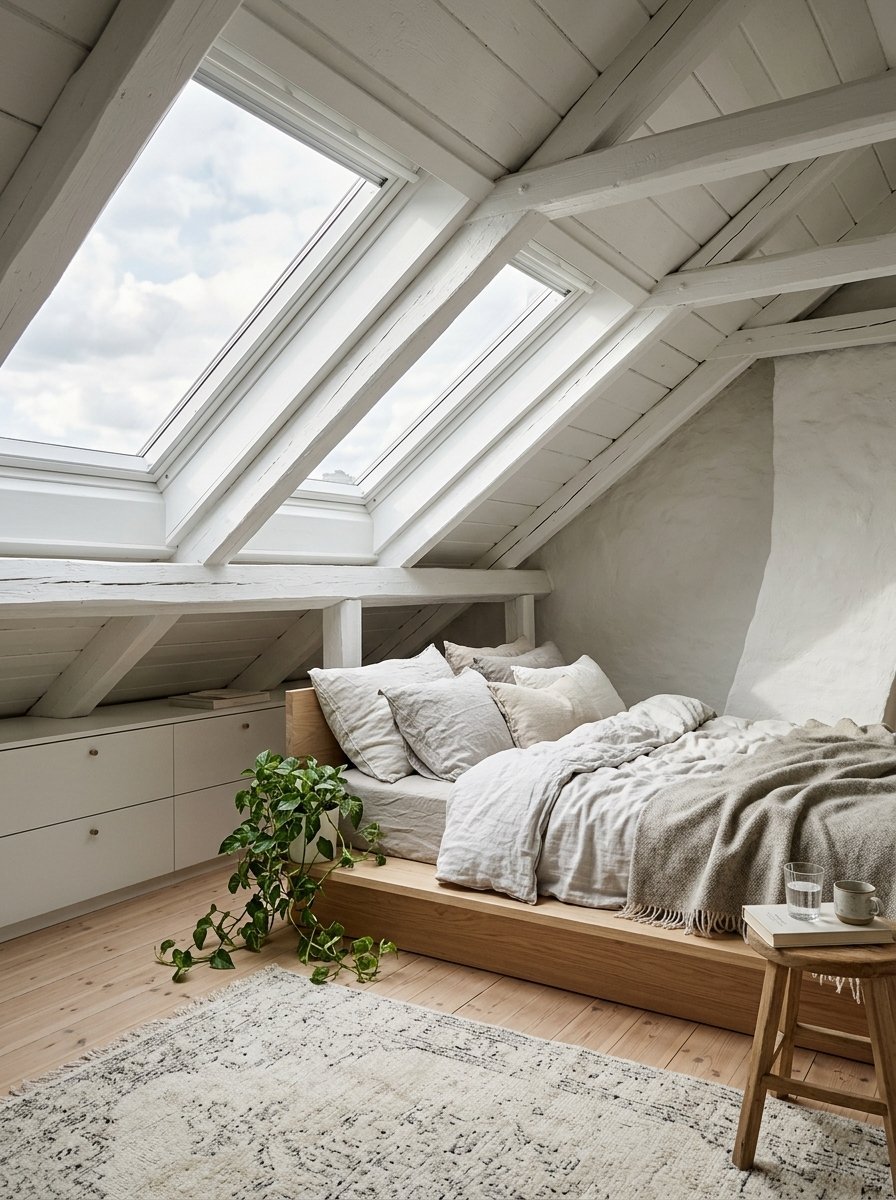
Attic bedrooms have natural charm thanks to sloped ceilings and exposed beams. Use these features instead of hiding them.
Place the bed under the highest part of the ceiling and use low areas for built-in storage. Paint the beams white for brightness, or leave them wood for warmth. Add skylights if you can for extra daylight.
Hero a Rattan Bed
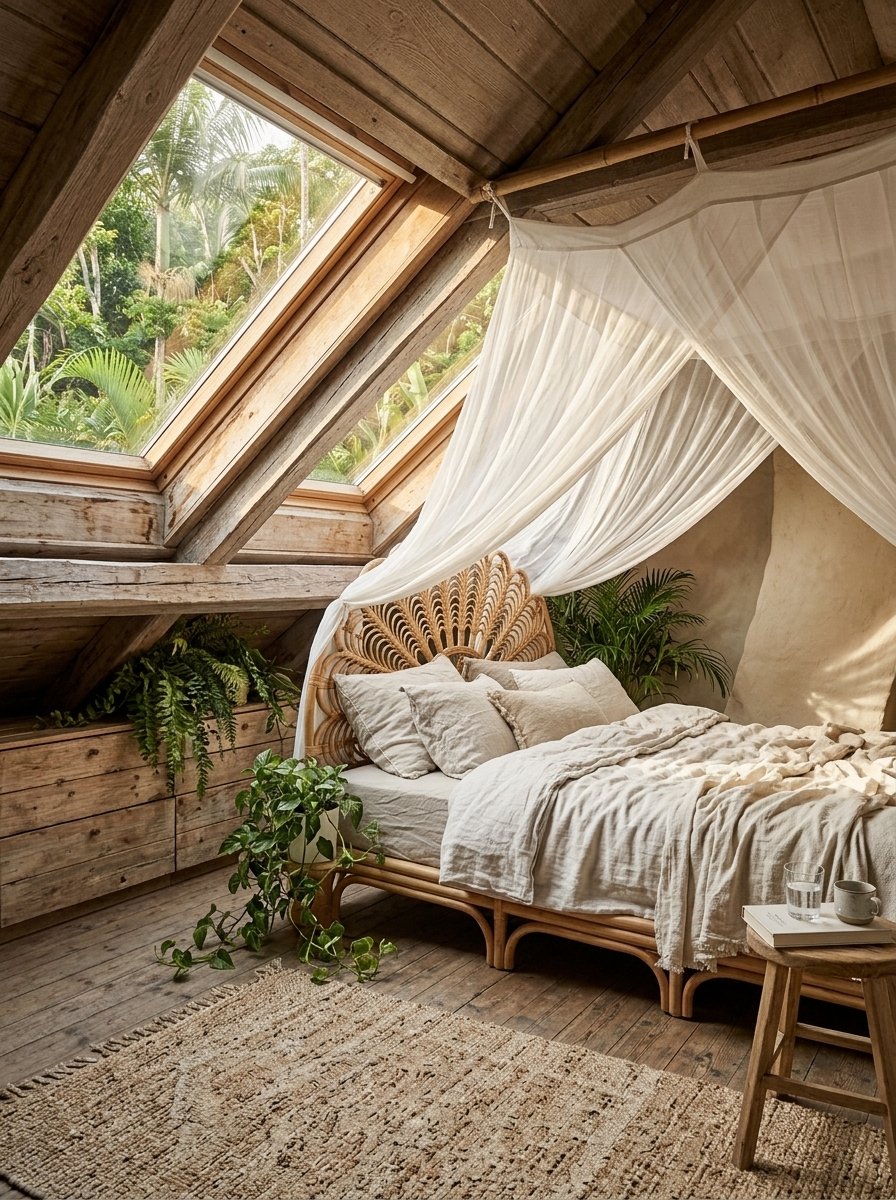
A rattan bed adds natural texture and a relaxed, boho feel. It brings instant warmth to white or neutral rooms.
Pair it with linen bedding, a jute rug, and soft earthy tones. Add a few plants to enhance the organic look. Rattan is lightweight, so it also suits small bedrooms well.
Tips for Small and Large Bedrooms
The right design approach depends on your room size. Here is a quick comparison.
| Room size | Best moves | Avoid |
|---|---|---|
| Small bedroom | Mirrors, wall-mounted lights, under-bed storage, light colors | Bulky furniture, heavy drapes |
| Large bedroom | Seating area, area rug, zoned lighting, bold headboard | Pushing all furniture to the walls |
Primary Bedroom Design Ideas for Small Spaces
- Use floating nightstands to free the floor.
- Pick a bed with built-in drawers.
- Hang curtains high to make the ceiling look taller.
- Stick to two or three colors.
Primary Bedroom Design Ideas for Large Spaces
- Create zones for sleeping, reading, and dressing.
- Float a bench or chaise at the foot of the bed.
- Use a large rug that extends beyond the bed on all sides.
- Add layered lighting so the room does not feel empty.
Quick design checklist
- Place the bed on the wall opposite the door if possible.
- Leave at least 24 to 30 inches of walking space around the bed.
- Add two sources of light on each side of the bed.
- Choose bedding in breathable cotton or linen.
- Keep surfaces clear and store extras out of sight.
For more calm color combinations, take a look at our bedroom color palette ideas. If you plan any electrical work, review the basics from the U.S. Department of Energy on efficient lighting before you buy bulbs.
Final Thoughts
The best primary bedroom design ideas are the ones that make you feel rested the moment you walk in. Start with the elements that matter most to you, such as lighting, the bed, and storage. Then add personal touches like art, plants, and textiles.
You do not need to do everything at once. Pick two or three ideas from this list, try them, and build from there. For more inspiration, browse our guest bedroom decor ideas.
FAQs
What is the best color for a primary bedroom?
Soft neutrals, muted greens, and calm blues are the most popular choices. They create a restful mood and suit almost any style.
How can I make my primary bedroom look more luxurious?
Layer textures, add warm lighting, and choose a statement headboard. Quality bedding and a tidy, symmetrical layout help too.
Where should the bed go in a primary bedroom?
Place it on the wall opposite the door if possible. This gives a clear view and creates a natural focal point.
How big should a primary bedroom be?
Many are between 200 and 350 square feet, but comfort matters more than size. Leave enough room to walk around the bed easily.
What is the difference between a primary bedroom and a master bedroom?
They mean the same thing. “Primary bedroom” is the newer term and is now widely used in real estate and design.
How do I decorate a small primary bedroom?
Use light colors, mirrors, and multi-purpose furniture. Keep the layout simple and use vertical storage.
What rug size works best under a bed?
A rug that extends at least 18 to 24 inches beyond the sides and foot of the bed looks balanced. For queen beds, an 8×10 rug is a common choice.
How many lights should a primary bedroom have?
Aim for at least three layers: overhead, bedside, and accent lighting. Dimmers let you adjust the mood.