I almost walked away from Taj Mahal quartzite twice before I actually committed to it. Once in the stone yard, staring at a slab that looked nothing like the sample chip I’d been drooling over online. And once again about three weeks after installation, when I spilled turmeric-heavy curry on it and thought I’d ruined a very expensive kitchen upgrade.
Spoiler: I hadn’t. But that first month taught me more about this stone than any product page ever could.
So what even is Taj Mahal countertop material?
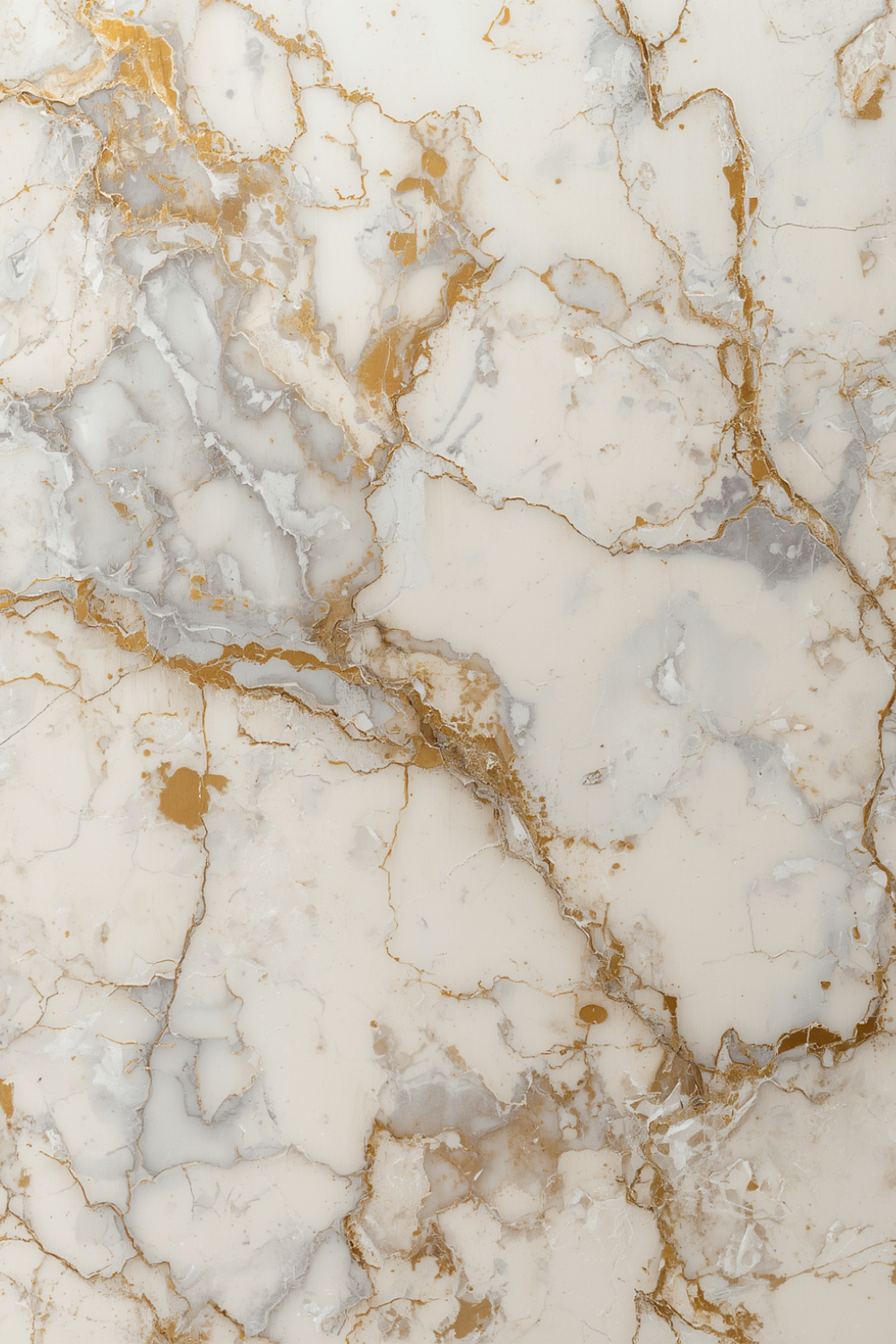
If you’ve been scrolling Pinterest for kitchen ideas, you’ve probably run into it without realizing. It’s a natural quartzite, not a quartz product, which trips a lot of people up. Quartz is engineered (crushed stone plus resin). Quartzite is cut straight from the earth, and Taj Mahal is one of the more famous varieties because of its warm, creamy background with soft golden and grey veining that moves across the slab like something you’d see in a marble painting.
People love it because it gives you that expensive, marble-adjacent look without marble’s reputation for staining if you so much as glance at it with a glass of red wine nearby. That reputation, by the way, is only partly deserved, and I found that out the hard way with my own countertop.
Picking the slab was the part nobody warned me about
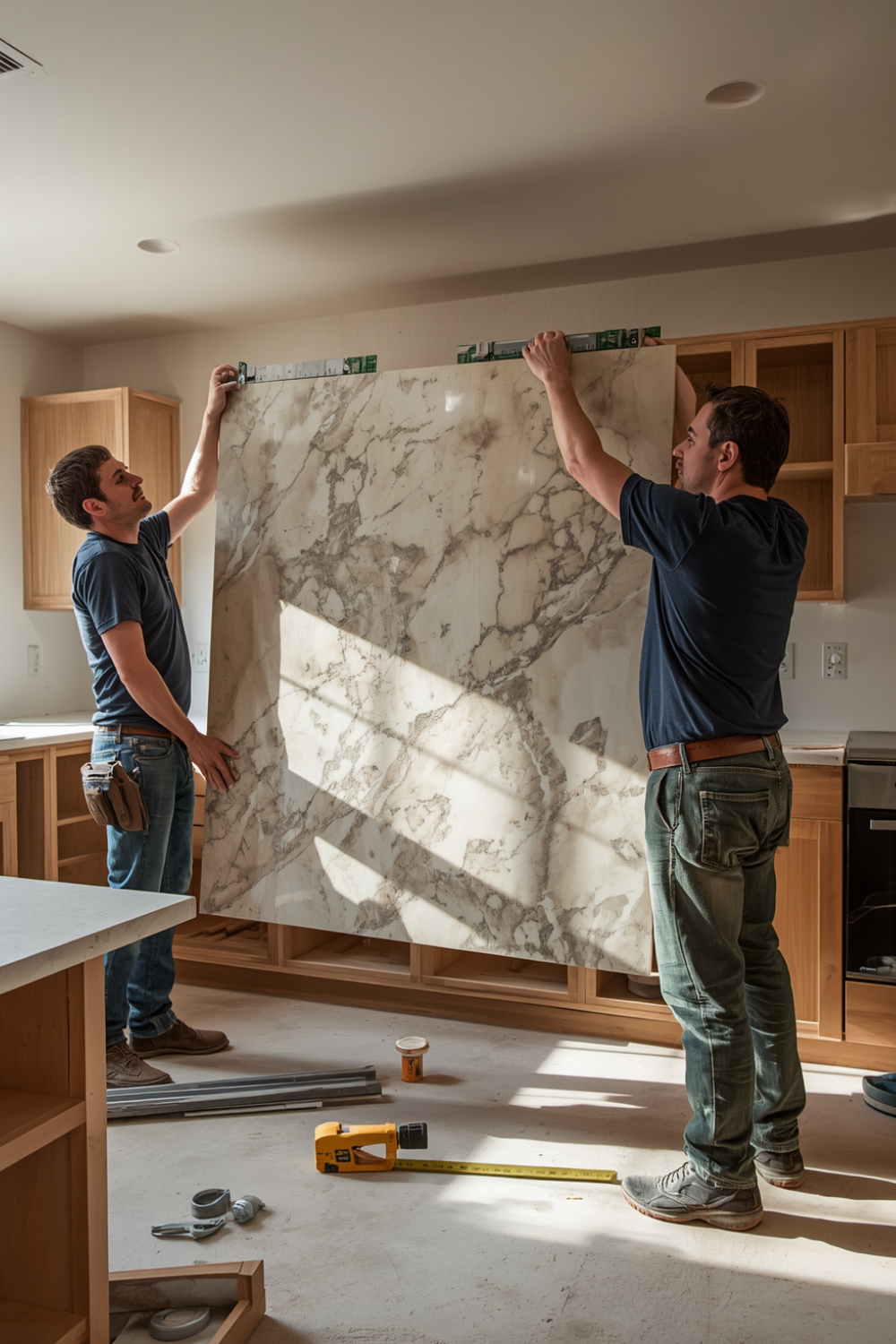
Here’s the thing catalog photos don’t tell you: no two slabs of Taj Mahal look alike. I picked mine off a small tile sample, and when I got to the stone yard to see the actual full slabs, I genuinely didn’t recognize the pattern I thought I was getting. Some slabs run heavy on gold veining, others are almost white with faint grey threads, and a few have these dramatic darker streaks that look like something out of a geology textbook.
My advice, and this cost me a wasted Saturday to learn, is go see the actual slab in person before it gets cut. Bring a photo of your cabinets and flooring on your phone. Stand under natural light if the yard has a window, because fluorescent lighting will lie to you about the undertone.
Installation day: what actually happens
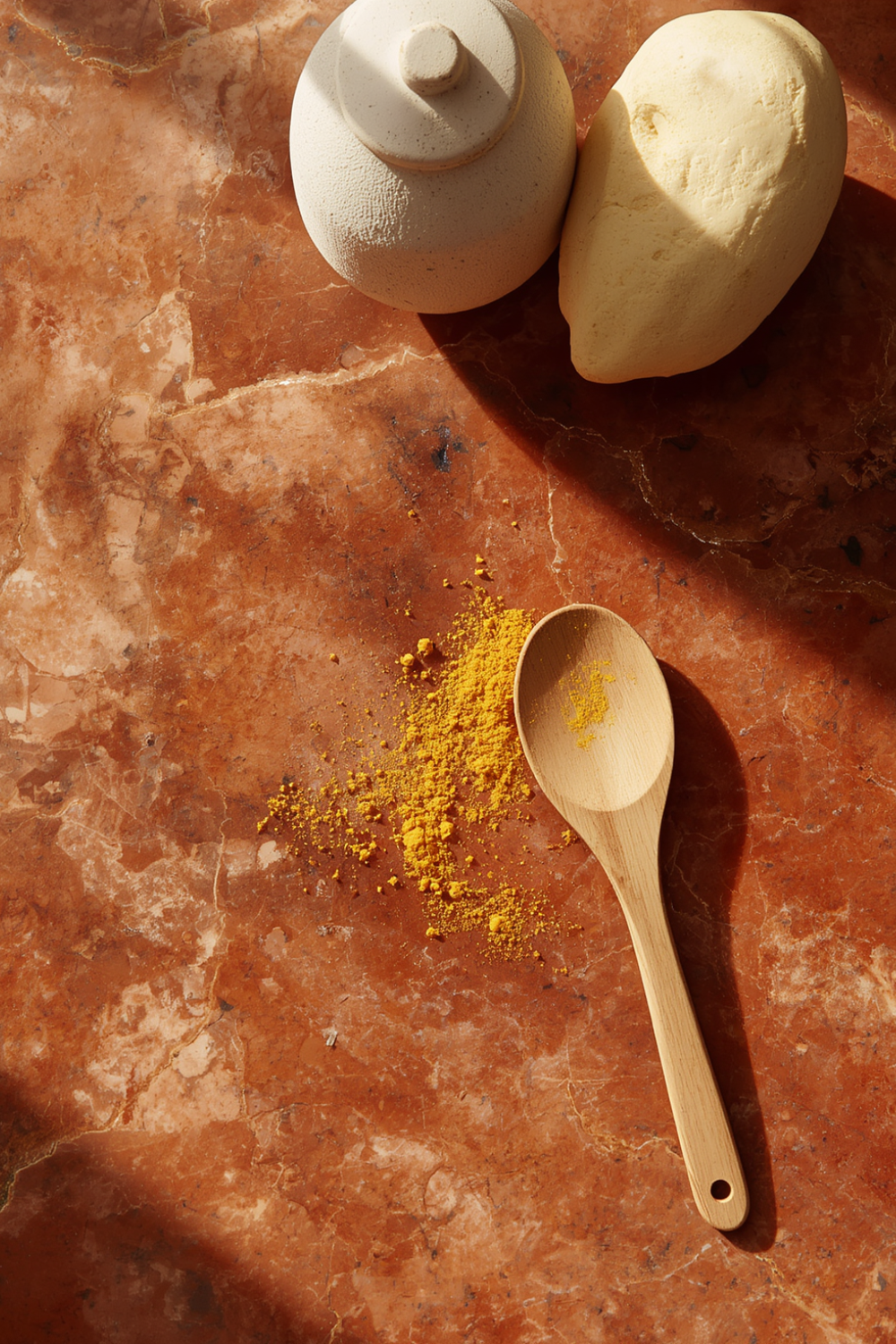
A crew of three showed up with the slab already templated from a prior visit. If your installer skips the templating step and just eyeballs it, that’s a red flag worth pausing on. Quartzite is heavy and brittle in the wrong spots, especially around sink cutouts, so a proper template matters more than people assume.
The whole install took about five hours for my kitchen, which is a mid-size L-shaped layout with an island. They sealed it before leaving, which leads me to the mistake I made.
The mistake: I didn’t reseal it soon enough
Every installer will tell you Taj Mahal needs sealing, and most will do the first coat for you. What nobody explains clearly is that the seal wears down faster around the sink and stove, basically the two spots that get the most abuse. I assumed one seal would carry me a full year like I’d read somewhere online. It didn’t.
Around month five, water stopped beading up near the faucet and started soaking in a little, leaving faint dark patches that dried out after a few hours but were still visible. That’s the sign it’s time to reseal, not when the whole counter looks dull.
How I actually take care of mine now
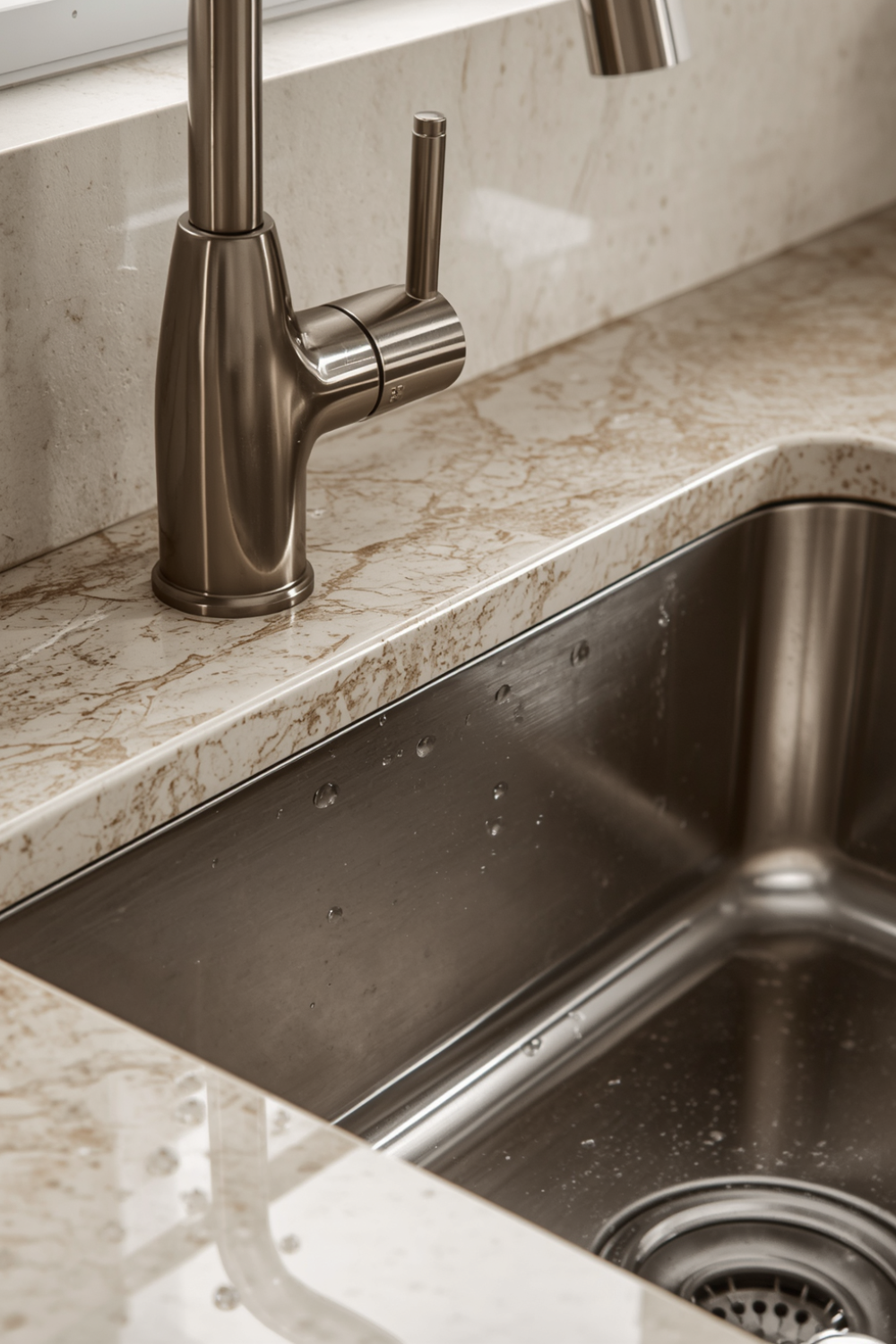
This is the routine that’s worked for me, not something copied from a brochure:
- Wipe spills fast, but don’t panic. Turmeric, coffee, and wine sat on my counter for maybe twenty minutes total that first month, and none of it left a permanent mark once I cleaned it with warm water and a mild dish soap.
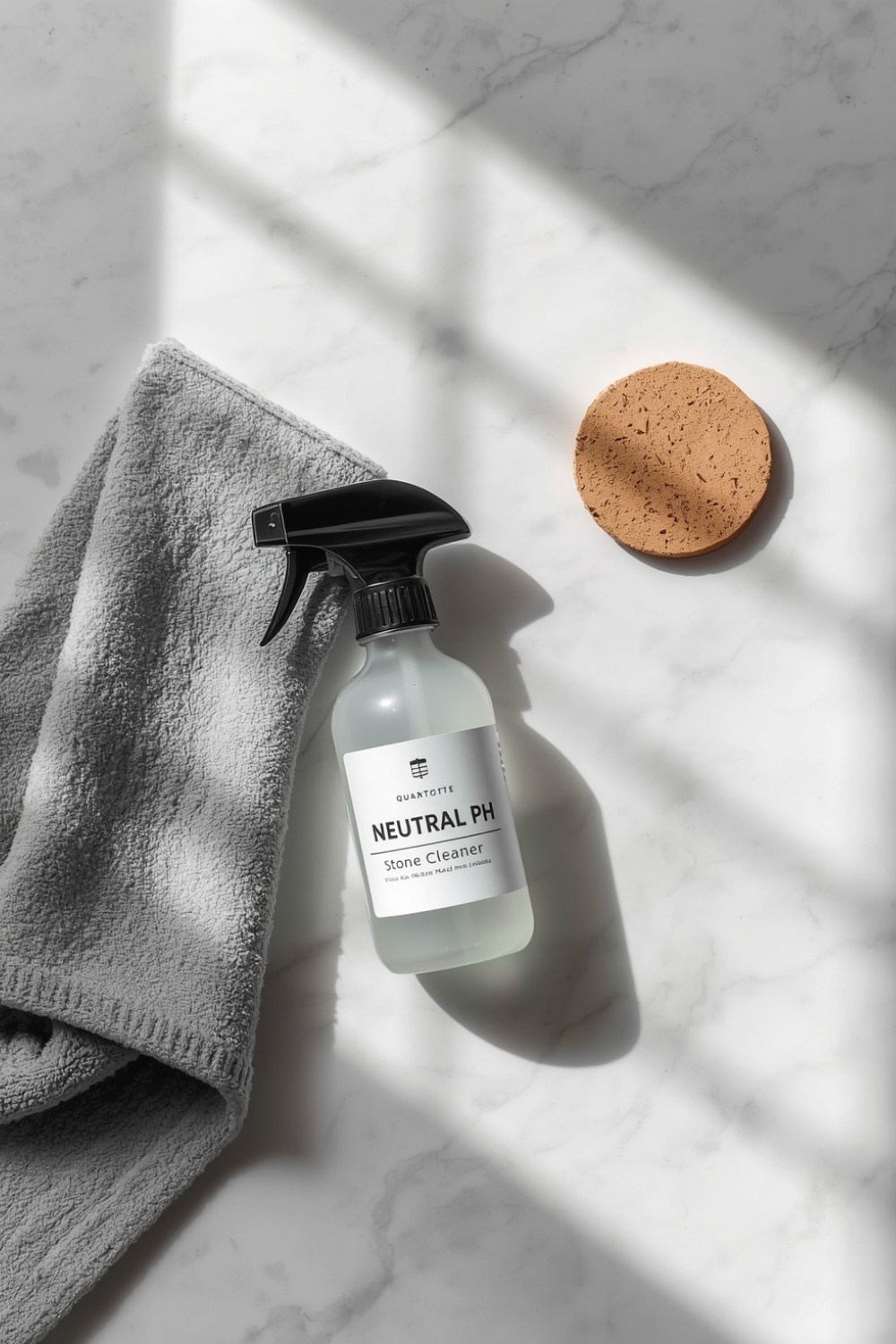
- Skip the vinegar and citrus cleaners. Someone in a Facebook group told me lemon juice was a great natural cleaner for stone counters. It is not, if the stone has any marble-like calcium content, which quartzite sometimes does depending on the quarry. I tested a small spot near the edge and it dulled slightly. Stick to pH-neutral stone cleaner or plain soap and water.
- Reseal every six to nine months near heavy-use zones, not once a year across the whole slab like the instructions suggest. The sink and stove areas take the brunt of it.
- Use trivets, even though it’s heat resistant. Quartzite handles heat better than granite in a lot of cases, but sudden temperature shock, like pulling a pan straight from a 450 degree oven onto a cold counter, can still cause micro-stress over time. I keep a couple of cork trivets by the stove now.
- Test cleaning products on a hidden corner first. Under the overhang near the sink is a good spot nobody sees.
Common mistakes I see people make

A neighbor of mine installed the same stone about a year after I did, and she made almost the exact mistakes I did, just in a different order:
- Choosing the slab from a tiny sample instead of seeing the full piece.
- Using an all-purpose kitchen spray that had citrus or vinegar listed as an ingredient.
- Assuming “quartzite” and “quartz” are just two spellings of the same product. They’re really not, and the care requirements are different enough that mixing them up leads to using the wrong cleaner.
- Skipping the resealing schedule because the counter still looked shiny. Shine doesn’t tell you whether the seal is still active.
Is it worth it?
For what it’s worth, yes, I’d pick it again. It photographs beautifully for anyone doing before-and-after kitchen content, and in person it has a depth that a lot of engineered stone just can’t fake. But it’s not a set-it-and-forget-it surface. If you go in expecting granite-level indestructibility, you’ll be disappointed the first time you leave a lemon wedge sitting on it overnight.
Treat it more like a really nice piece of furniture than an appliance. A bit of attention goes a long way, and mine still looks close to the day it was installed, minus one very faint mark near the sink that only I ever notice.