I used to do laundry in a cramped little closet with a bare bulb hanging from the ceiling and a wire shelf that dumped socks behind the dryer every single week. It wasn’t until I helped a friend redo her laundry nook — just a 5×7 foot space off her kitchen — that I realized how much a few smart design choices can change how a room feels to work in. She went from dreading laundry day to actually not minding it. That’s when it clicked for me: laundry rooms are one of the most overlooked spaces in a home, and a little intention goes a long way.
If you’re staring at a boring, cluttered, or just plain ugly laundry space right now, I get it. I’ve been there. Here’s everything I’ve picked up from working on and researching laundry room makeovers, including the mistakes that taught me the most.
Why the Laundry Room Deserves More Attention
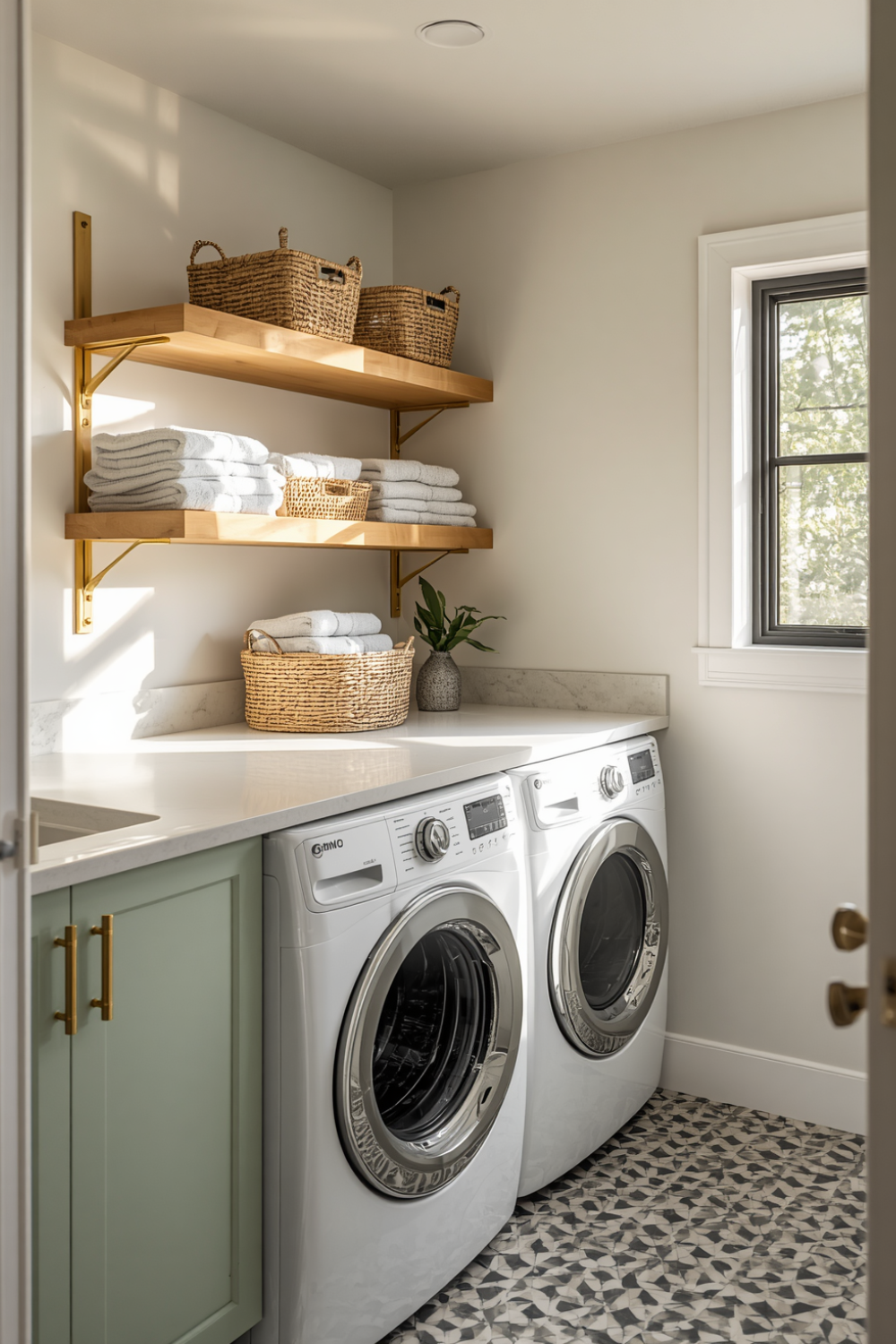
Most people treat the laundry room like an afterthought. It’s tucked in a basement, a hallway closet, or a garage corner, and nobody bothers decorating it because “it’s just for washing clothes.”
But think about how often you’re actually in there. Sorting, folding, ironing, pretreating stains — you probably spend more time in that room weekly than in your dining room. A space that works well and looks decent makes a genuinely annoying chore feel less like a punishment.
Start With How You Actually Use the Space
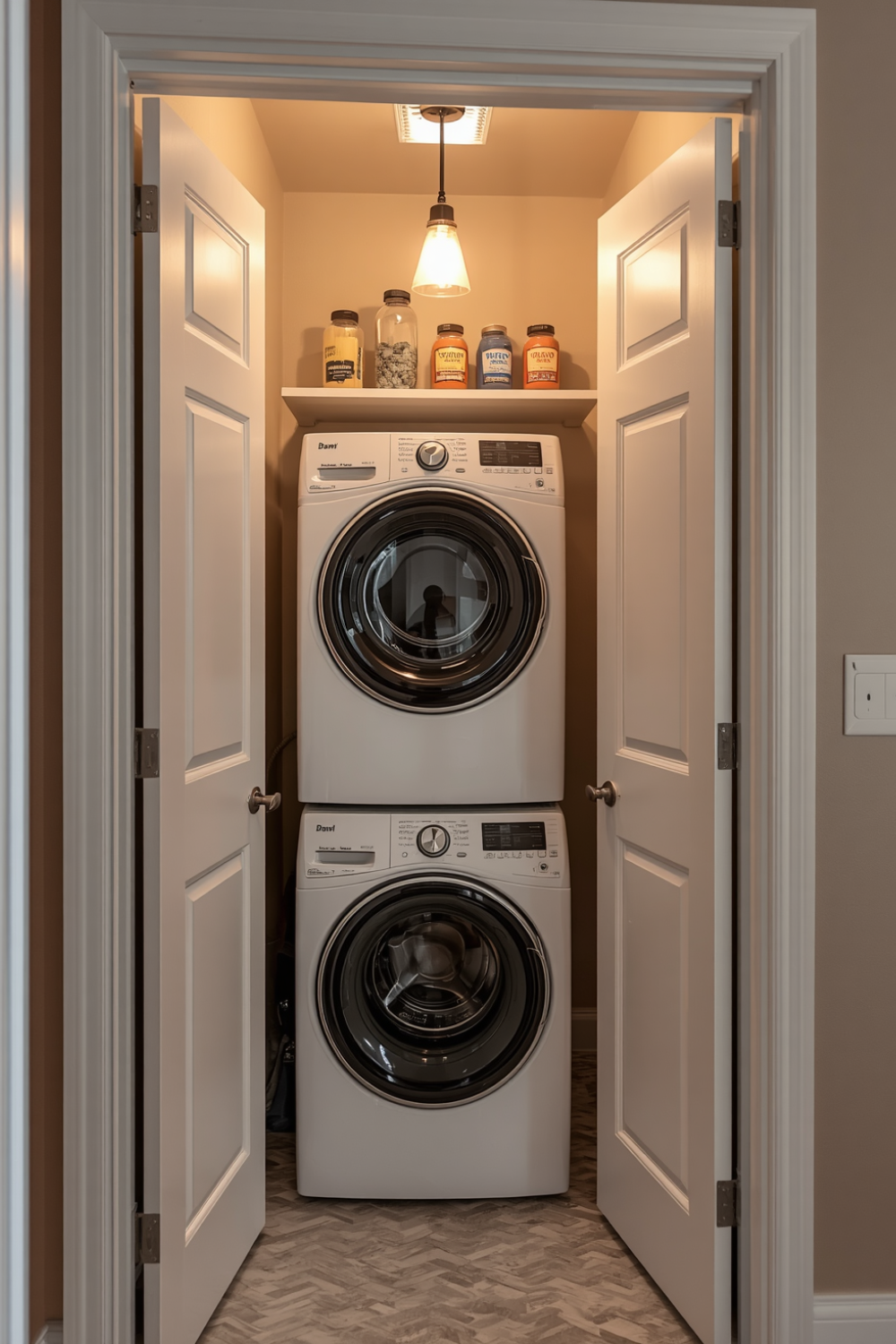
Before picking colors or shelving, I always tell people to think through their real routine. Not the Pinterest version — the actual one.
Do you fold clothes standing up or do you drop everything on the bed? Do you have pets that need a wash station? Do you iron often, or is that iron just decoration at this point? These answers change everything about layout.
When my friend and I planned hers, we realized she never ironed but always needed space to hang clothes fresh out of the dryer so they wouldn’t wrinkle. So instead of an ironing station, we added a simple tension rod between two cabinets for hanging. Small change, huge daily difference.
Layout Basics That Actually Matter
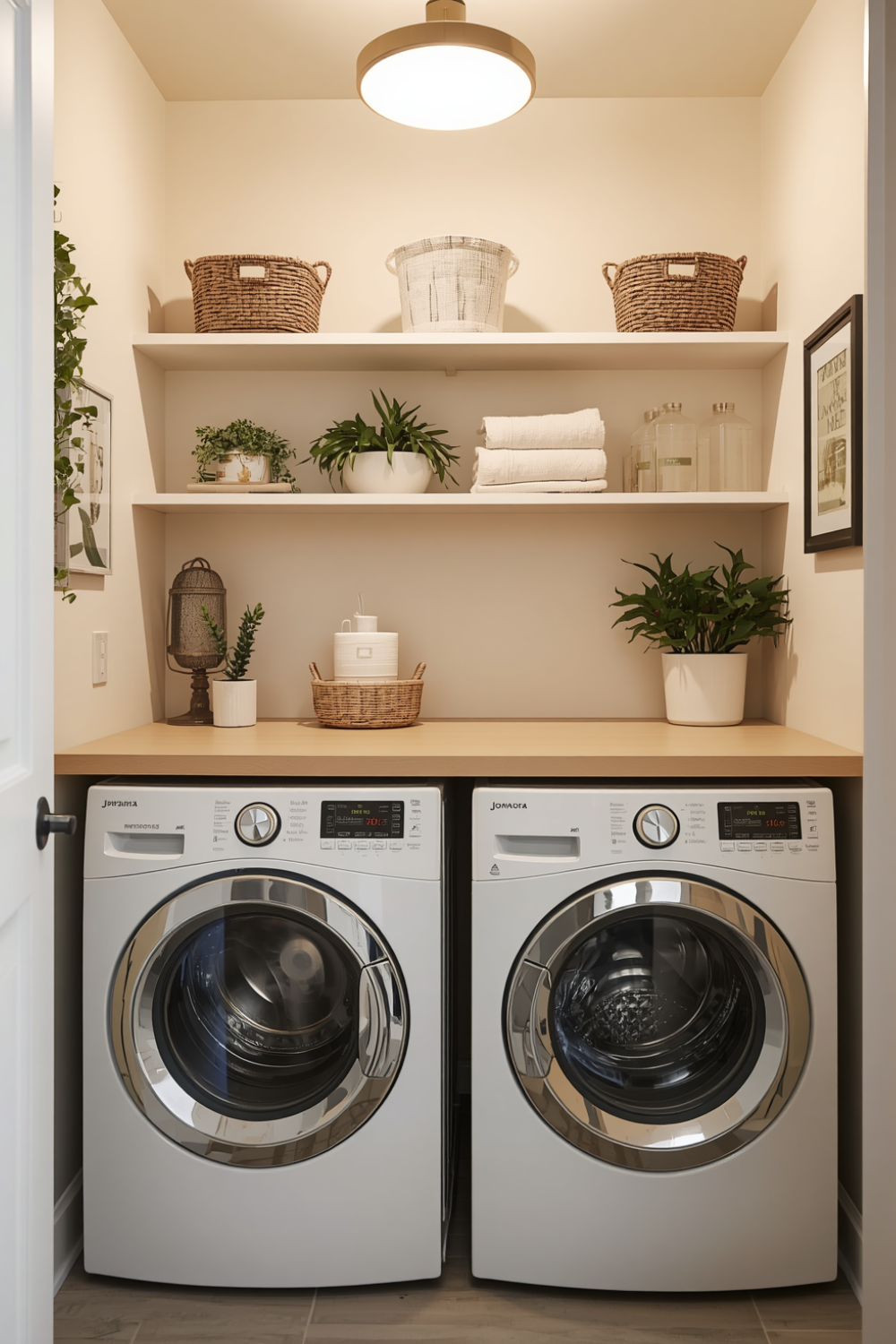
1. Front-load washers under a counter If your budget allows it, front-load machines with a countertop above them are worth it. You instantly get a folding surface, and it just looks more finished. Pedestal drawers underneath are great for detergent pods, dryer sheets, or stain sticks.
2. Keep a folding surface, even a small one This was my biggest mistake for years — I didn’t have anywhere flat to fold clothes, so I ended up making a mess on top of the dryer or hauling laundry to the couch. Even an 18-inch fold-down shelf mounted to the wall solves this.
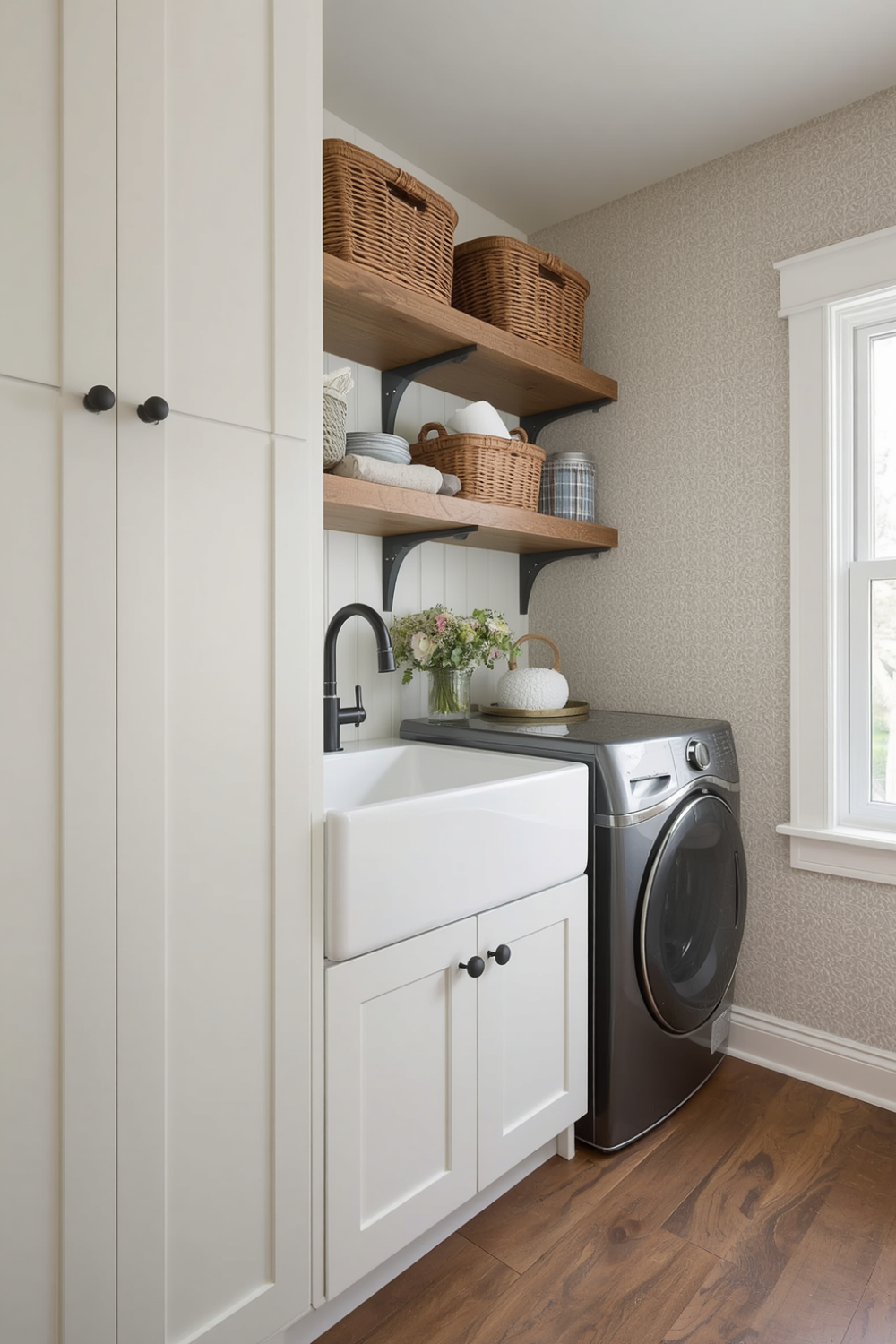
3. Don’t skip a sink if you have room A small utility sink changes the game for pretreating stains, hand-washing delicates, or rinsing out paint brushes. IKEA’s utility sinks are budget-friendly and easy to find online.
4. Vertical storage over horizontal clutter Wall shelves, hooks, and slim rolling carts (the kind sold at The Container Store or on Amazon) use dead space instead of eating into your walking room.
Style Ideas That Don’t Feel Boring
Laundry rooms don’t have to be sterile and white. Some of the best ones I’ve come across lean into a bit of personality since it’s a low-traffic space where you can take design risks.
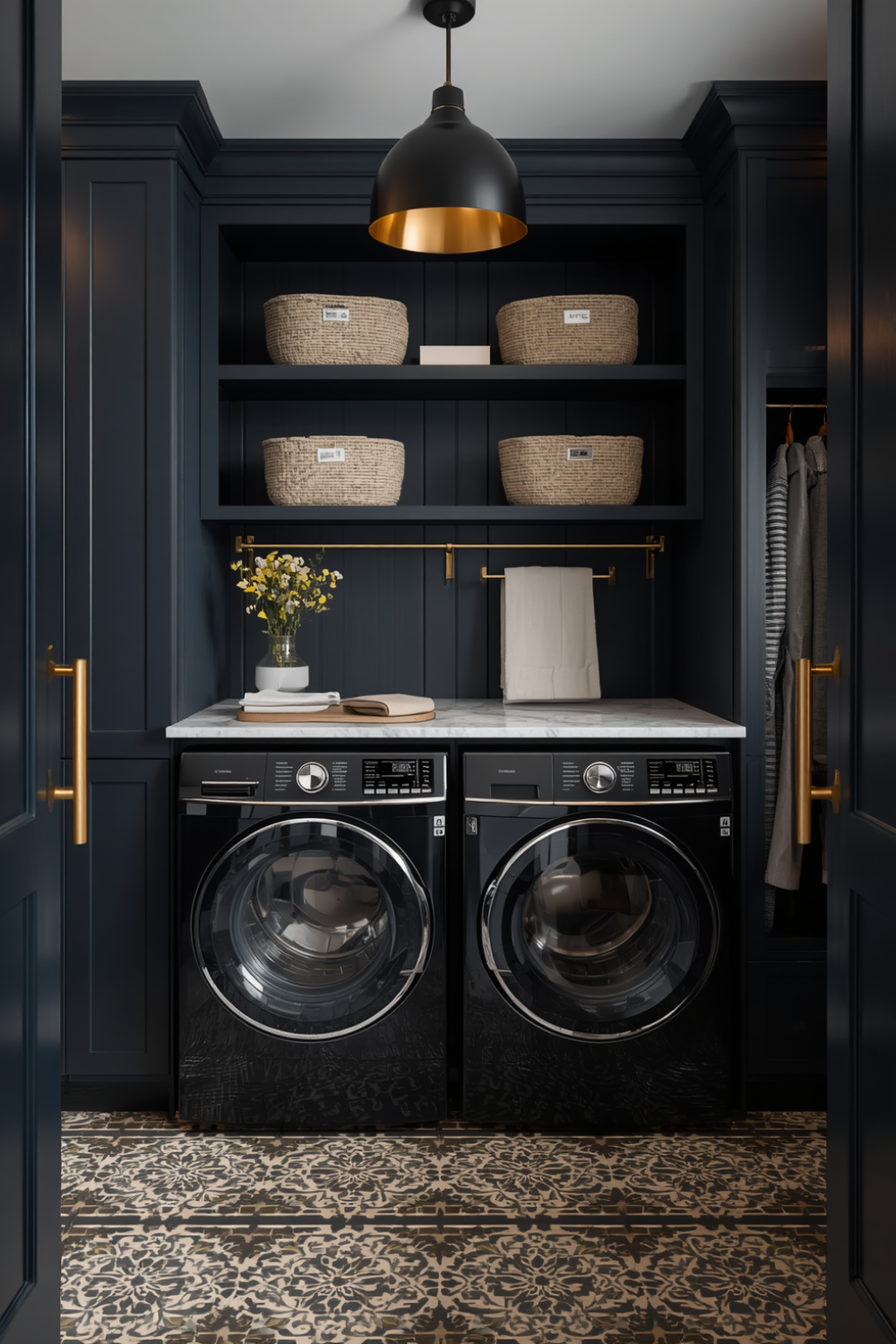
- Moody dark cabinetry with brass hardware — makes a small space feel intentional instead of cramped.
- Bold wallpaper on one wall, especially behind open shelving. Peel-and-stick options from brands like Spoonflower make this a weekend project, not a renovation.
- Checkerboard or patterned tile flooring — vinyl peel-and-stick tiles are forgiving for a DIY attempt and hold up fine in a low-foot-traffic room.
- Open shelving with baskets instead of closed cabinets, if you like things visible and easy to grab.
- A statement light fixture. People forget lighting in laundry rooms entirely, and a warm pendant instead of a flat overhead light makes the whole room feel less clinical.
Step-by-Step: Planning a Small Laundry Room Refresh
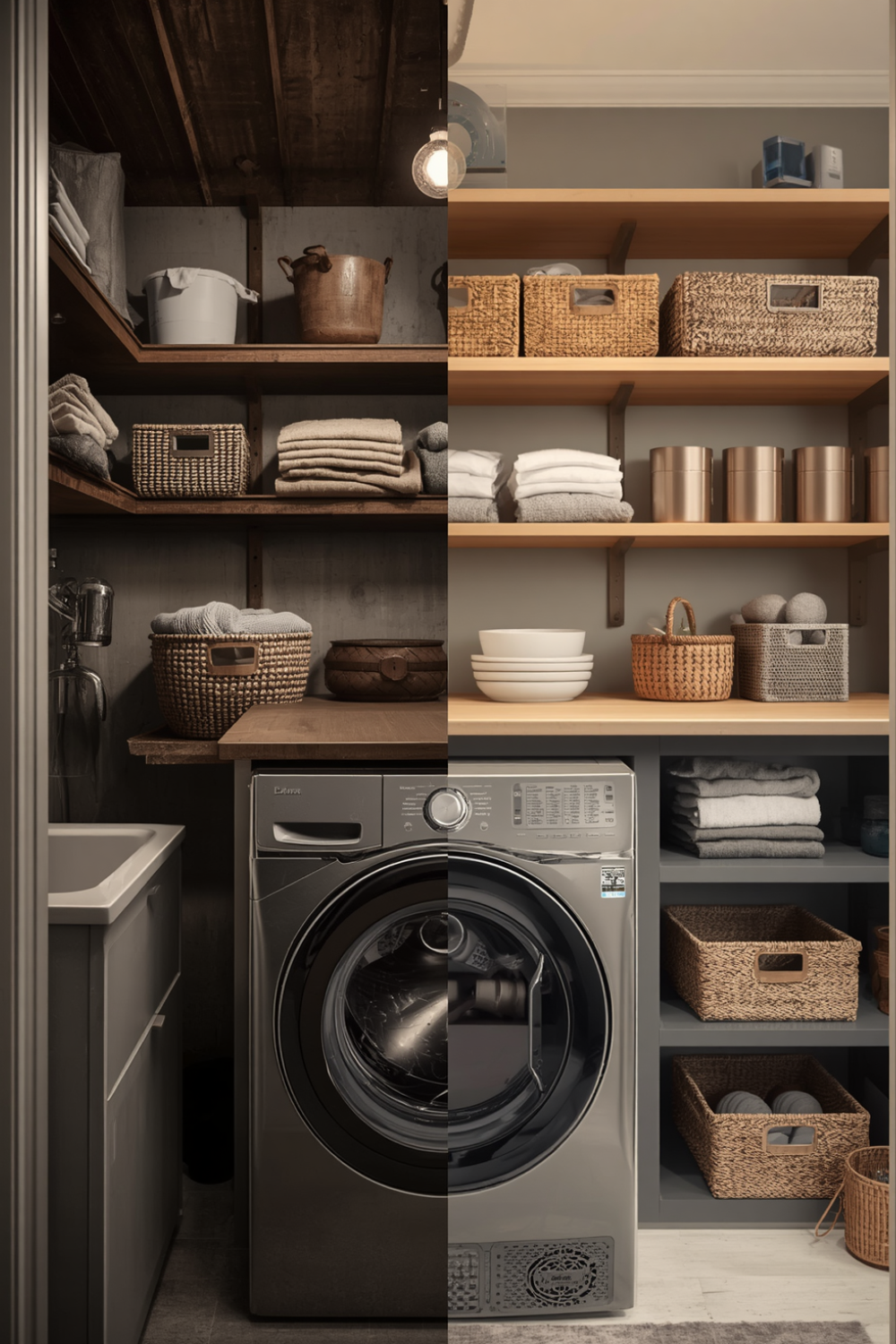
If you’re working with a tight space (a closet, a hallway nook, anything under 40 square feet), here’s roughly how I’d approach it:
- Measure everything first — width, depth, height, and door swing. This decides whether stackable units are your only real option.
- Decide: stack or side-by-side? Stacking saves floor space but makes top-loading harder on your back. Side-by-side gives you a counter option above.
- Add one storage element you’ll actually use. Not five. Just one — a shelf, a cabinet, or a rolling cart. Overplanning storage is how these spaces end up cluttered again in two months.
- Pick a light, durable flooring. Peel-and-stick vinyl tile or leftover laminate from another project works fine here. You don’t need to splurge on this room.
- Add one visual detail. Wallpaper, a runner rug, or open shelves with baskets in a color you like. One detail is enough to make it feel designed instead of forgotten.
- Install proper lighting last. A flush-mount LED fixture with warm color temperature (2700K–3000K) makes folding clothes and checking stains way easier than a dim closet bulb.
Mistakes I’ve Seen (and Made) Way Too Often
Forgetting ventilation. Dryers need proper venting, and a closed-off laundry closet without airflow gets humid fast, which leads to mold on walls over time. If you’re renovating, don’t skip checking the vent duct.
Choosing style over function. Pretty open shelves look great in photos, but if you actually own eight bottles of detergent and stain removers, open shelving turns messy fast. Be honest about your habits before choosing.
Ignoring the door swing. I’ve seen laundry room doors that literally can’t open all the way because of where the dryer sits. Measure before you buy appliances, not after.
Skimping on lighting. A single dim bulb makes it impossible to spot stains before they set. This sounds minor until you ruin a white shirt because you couldn’t actually see the stain in bad lighting.
Not planning for detergent storage near the machine. Sounds obvious, but so many laundry rooms have storage across the room from the washer, so you’re constantly walking back and forth mid-load.
A Few Real Examples Worth Mentioning
A basement laundry corner I helped plan used leftover paint from a bedroom project, sealed the concrete floor, and added a $40 IKEA shelving unit — total cost under $150, and it looked like a proper room instead of an afterthought.
Another one, a hallway closet conversion, used bifold doors that could stay open during laundry days and close completely the rest of the time, which mattered a lot to the homeowner since it faced their living room.
Neither of these were expensive renovations. They were thoughtful ones.
Final Thoughts
A laundry room doesn’t need marble counters or a designer budget to feel good to use. What actually matters is understanding your routine, giving yourself one working surface, decent lighting, and just enough storage to keep detergent bottles from taking over the counter.
The best laundry rooms I’ve seen weren’t the fanciest ones — they were the ones where everything had a place and nothing felt like an afterthought. Start small, fix one annoying thing at a time, and the room slowly turns from a chore zone into a space you don’t mind walking into.