I stood in my bathroom at 11 pm with a paint chip in one hand and my phone in the other, scrolling through fifty different shades of “greige” that all looked identical on my screen. Three hours earlier I’d been confident. Now I wasn’t sure I even liked the tile I’d already ordered.
If you’ve ever tried to plan a bathroom refresh, you know this feeling. It’s a small room, so you assume it should be the easy one. Then you open Pinterest and suddenly you’re comparing brass fixtures to matte black ones, second-guessing your shower curtain, and wondering if a pedestal sink is a mistake you’ll regret in five years.
I’ve redone two bathrooms in my own place and helped a handful of friends plan theirs. Some of it went great. Some of it I’d absolutely do differently. Here’s what actually worked, what didn’t, and how to find inspiration that fits your space instead of someone else’s Instagram feed.
Why bathroom inspiration is trickier than it looks
A living room forgives you. You can swap a throw pillow, move a lamp, live with a rug you’re lukewarm about. A bathroom is unforgiving. Tile is permanent. Plumbing is expensive to move. The room is small enough that every choice gets magnified, and a color that looked soft and calming online can turn a windowless bathroom into a cave.
I learned this the hard way with a “moody navy” accent wall I was so excited about. In the actual room, with one small window and a single overhead light, it read almost black by 7 pm. I liked it for about two weeks, then repainted it a warm off-white and never looked back.
That’s the real lesson: inspiration photos are staged in perfect lighting with wide-angle lenses. Your bathroom is not that. Keep that gap in mind before you commit to anything.
Start with how you actually use the room
Before touching Pinterest boards, think through your morning and night routine. Do you have long hair that clogs a shower drain fast? Do you share the space with a partner who needs double the counter room? Do you have kids who need bath toys stored somewhere that isn’t a floating mildew pile in the corner?
I skipped this step the first time and ended up with a gorgeous floating vanity that had zero drawer space. It looked incredible in photos. In real life, my toothpaste and hairdryer lived in a basket on the floor for a year because I hadn’t planned storage.
So before you pick a single design idea, jot down:
- What annoys you about your current bathroom
- What you actually store in there (be honest, include the stuff under the sink)
- Who uses the room and when
- Your realistic budget, not your dream budget
This sounds unglamorous, but it saves you from falling in love with a look that can’t survive your daily routine.
Where to actually find good inspiration
Pinterest is fine for mood and color direction, but I’ve found it misleading for scale. Photos get cropped in ways that hide how tiny some of these “spa-like” bathrooms really are.
What’s worked better for me:
Instagram Reels and TikTok renovation accounts — these show the process, not just the finished shot. You see the actual grout lines, the actual lighting at different times of day, and often the cost breakdown. Accounts run by real homeowners (not just designers) tend to be more honest about what went wrong.
Houzz — genuinely underrated for filtering by room size and style. You can search specifically for small bathrooms, which cuts out a lot of the unrealistic inspiration.
Local tile and hardware showrooms — I know this sounds old-fashioned, but standing next to an actual slab of marble under real light told me more in ten minutes than two weeks of scrolling did.
Canva — once I had a direction, I used Canva to mock up my own mood board with my actual measurements pasted in, instead of relying on someone else’s proportions.
Design ideas that hold up in real life
A few directions I’ve either tried myself or watched work well for others:
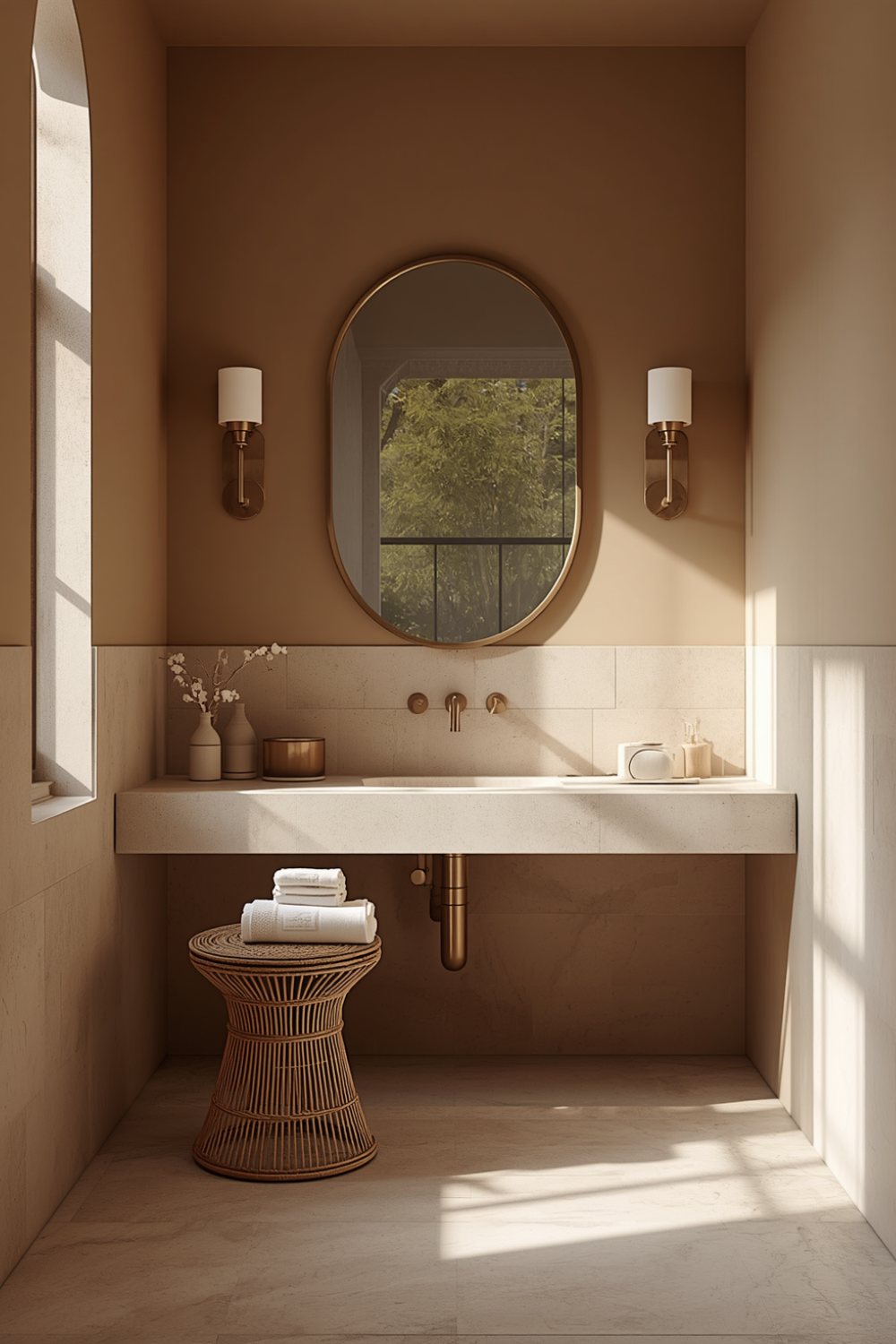
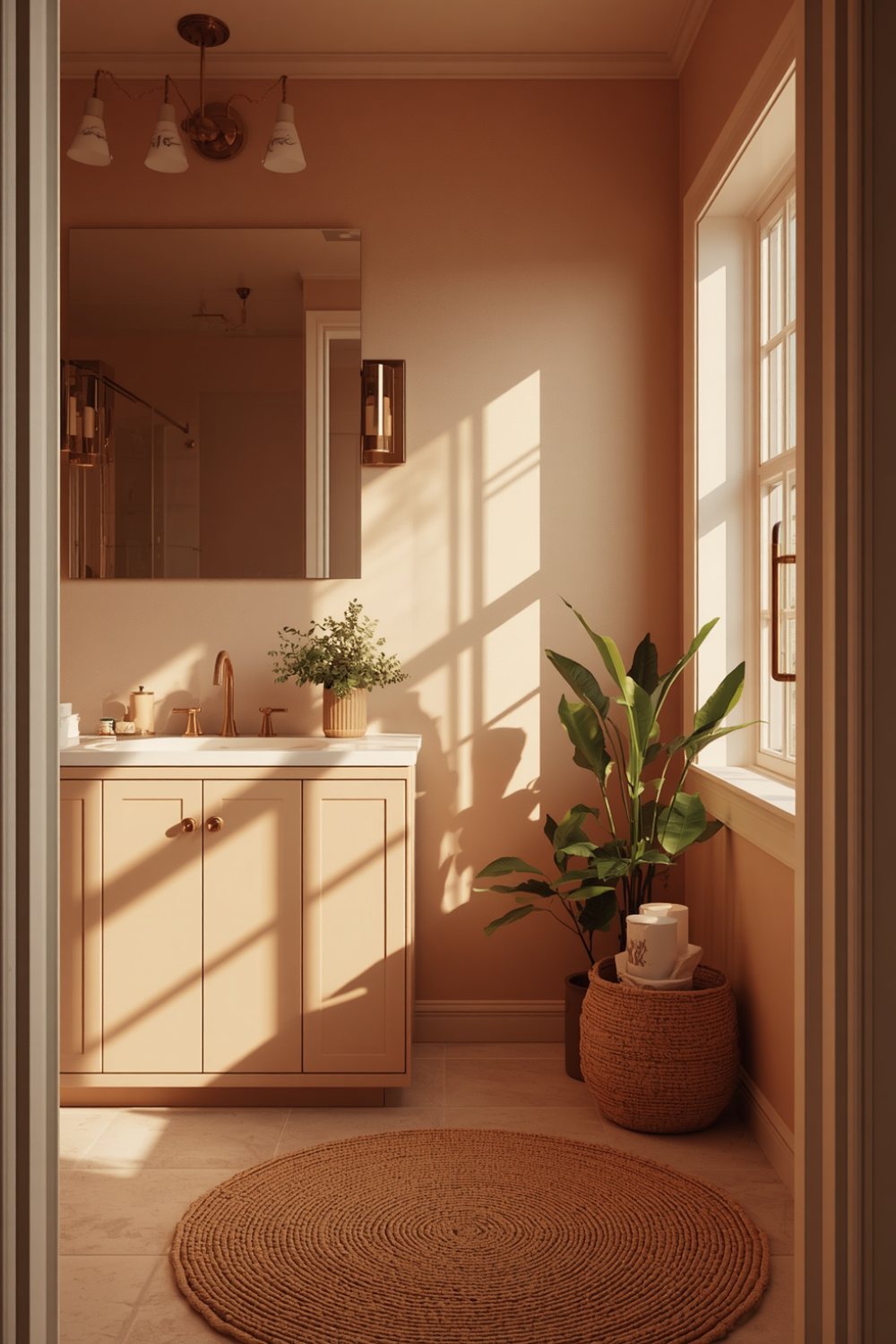
Warm neutrals over stark white. All-white bathrooms photograph beautifully but show every water spot and hair. A warm greige or soft taupe hides daily life much better and still feels clean and bright.
Large-format tile with fewer grout lines. Smaller tiles mean more grout, and more grout means more cleaning. I switched to larger tiles in my second bathroom redo specifically to cut down on scrubbing time. It made a noticeable difference.
A statement mirror instead of a statement wall. If you’re nervous about commitment, a bold mirror shape or frame gives you personality without the risk of a paint color you might hate in a year.
Layered lighting. One overhead light is almost never enough. Adding a sconce on either side of the mirror changed how my bathroom felt more than any other single update, and it’s not even expensive to add.
Woven or natural textures. A rattan mirror frame, a wood stool, a jute bath mat. These soften a room full of hard, cold surfaces like tile and porcelain.
Step by step: planning your own refresh without losing your mind
- Measure everything first. Not just the floor space, the door swing, the distance from vanity to toilet, the height of your window. Inspiration photos mean nothing if the layout doesn’t fit your actual room.
- Pick one anchor piece. A tile, a vanity color, a light fixture. Build everything else around that one choice instead of trying to match twenty different Pinterest pins at once.
- Test paint and tile samples in your actual lighting. Look at them in the morning, at night with the lights on, and during the day. Colors shift more than people expect.
- Budget for the boring stuff first. Plumbing, ventilation, waterproofing. It’s tempting to spend everything on the pretty tile and skimp on what’s behind the walls, but that’s the part that causes real problems later.
- Order a little extra tile. I learned this after running short by exactly four tiles and waiting three weeks for a reorder because the batch had changed slightly. Order 10 percent more than your estimate.
- Live with your choices for a week before installing anything permanent. Prop the tile sample against the wall. Hang the paint swatch. Walk past it for a few days before you commit.
Mistakes I see people make constantly
Choosing trendy over timeless for anything permanent. Tile and fixtures are expensive to change. Save the trendy stuff for towels, art, and accessories you can swap out easily.
Underestimating storage. Pretty and functional aren’t opposites, but you have to plan for both from the start, not add storage as an afterthought.
Ignoring ventilation. A gorgeous bathroom with mold creeping in the corner isn’t gorgeous for long. If your fan is weak or your window doesn’t open, fix that before you fix the aesthetics.
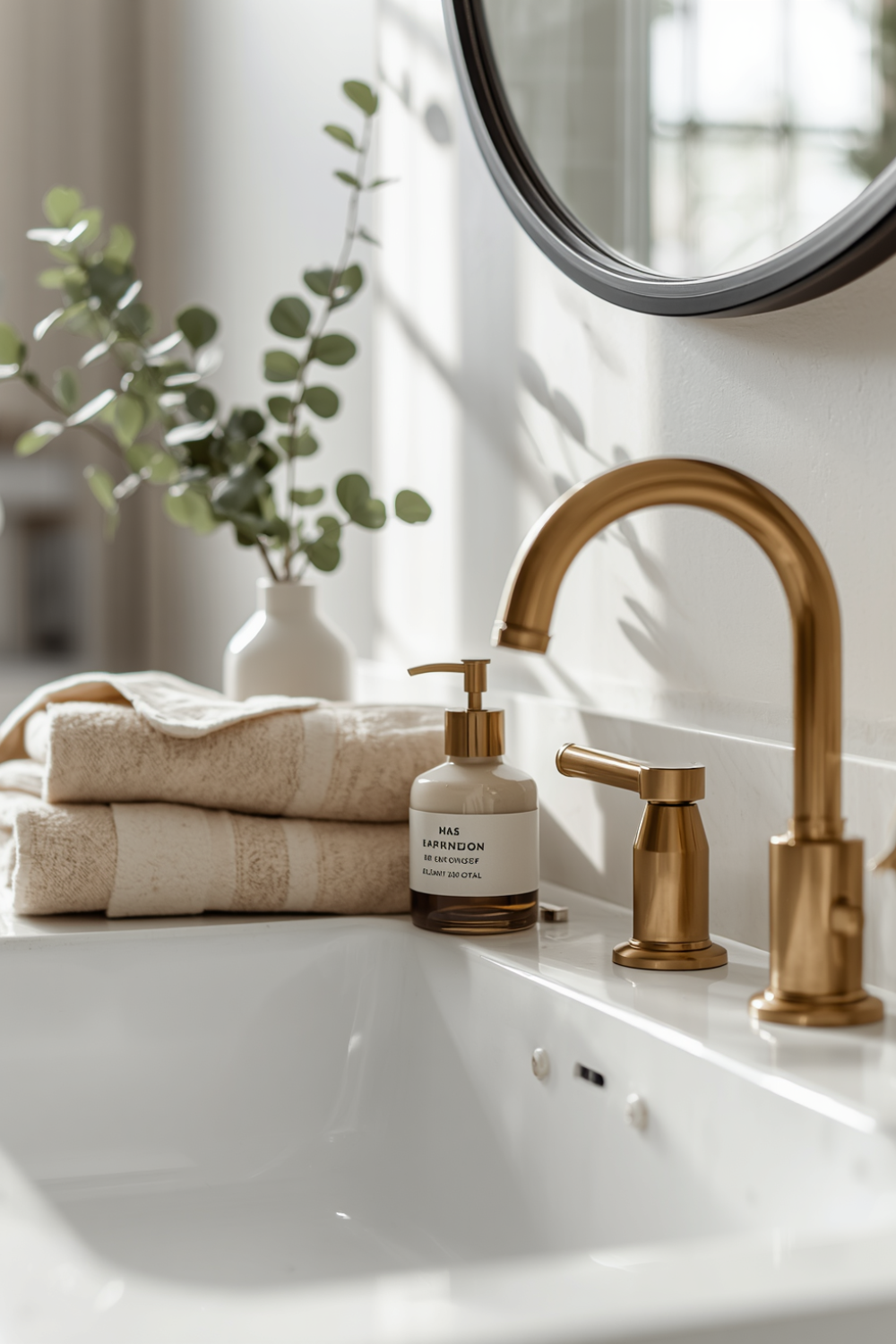
Matching every metal finish exactly. I used to think faucet, towel bar, and light fixture all had to be the same finish. Mixed metals, done with a little restraint, actually look more intentional now than a perfectly matched set.
Forgetting the door swing and towel bar placement. Small detail, big annoyance if you get it wrong. Stand in the room and physically act out opening the door, reaching for a towel, and getting out of the shower before you finalize placement.
Final thoughts
The bathrooms that actually feel good to be in aren’t always the ones that photograph the best. Mine isn’t magazine-perfect. There’s a chip in the grout near the tub that I keep meaning to fix, and the lighting isn’t quite what the showroom promised. But it works for how I actually live, and that ended up mattering a lot more than matching a Pinterest board exactly.
Take your time with this one. Look at plenty of inspiration, but filter it through your own routine, your own lighting, and your own budget before you fall in love with anything. The room is small, but the decisions in it are not.