
Garden ideas can turn even a tiny yard, patio, or balcony into a place you love to spend time in. The right layout, plants, and features make a space feel welcoming. Better yet, you do not need a huge budget, and many projects take only a weekend.
Below, you will find 30 garden ideas, from a small vegetable garden to a formal rose garden. Each one includes plant suggestions and a practical tip. First, find the space that matches yours. Then pick a style you will enjoy for years.
Garden Ideas to Inspire Every Space and Style

Every yard is different. Some get all-day sun, while others sit in cool shade. Some are wide and open, and others are only a few feet across. Luckily, there are garden ideas for every situation.
This guide groups the projects by space, style, and purpose. As a result, you can jump straight to the section that fits your home. You can also mix ideas, since the best gardens often blend a few styles.
Garden Design Ideas, Photos and Tips for Gardening at Home
Before you dig, spend a little time planning. A few simple checks will save you money and effort later.
- Watch the sun. Most vegetables need about 6 to 8 hours of direct sun. Many shade plants prefer far less.
- Test the soil. Dig a small hole, then check how quickly water drains. Soggy soil needs raised beds or better drainage.
- Know your zone. Check your USDA hardiness zone before you buy perennials, shrubs, or trees.
- Plan for water. Place thirsty plants near a hose or rain barrel, and group them together.
- Start small. A neat small bed beats a large, overgrown one.
Also, take photos of your yard in the morning, at noon, and in the evening. These pictures show how light moves across the space. Consequently, you can place each plant where it will thrive.
Garden Trends & Visual Ideas
Garden design keeps evolving. However, a few trends have stayed popular because they look good and work well.
- Pollinator-friendly planting. Gardeners add flowers that feed bees and butterflies, and the yard comes alive.
- Edible landscaping. Herbs, berries, and vegetables now share space with flowers.
- Vertical growing. Trellises, wall planters, and hanging baskets save room and add height.
- Layered texture. Mixing leaf shapes, heights, and colors creates depth.
- Outdoor living rooms. Seating, lighting, and shade structures turn the garden into an extra room.
- Low-water design. Mulch, drip lines, and drought-tolerant plants cut down on watering.
Keep these ideas in mind as you read. Many of the projects below combine two or three of them.
Design Ideas by Space
Your space shapes your design. So, start with the size and setting of your yard. Then choose a plan that makes the most of it.
1. Small Vegetable Garden
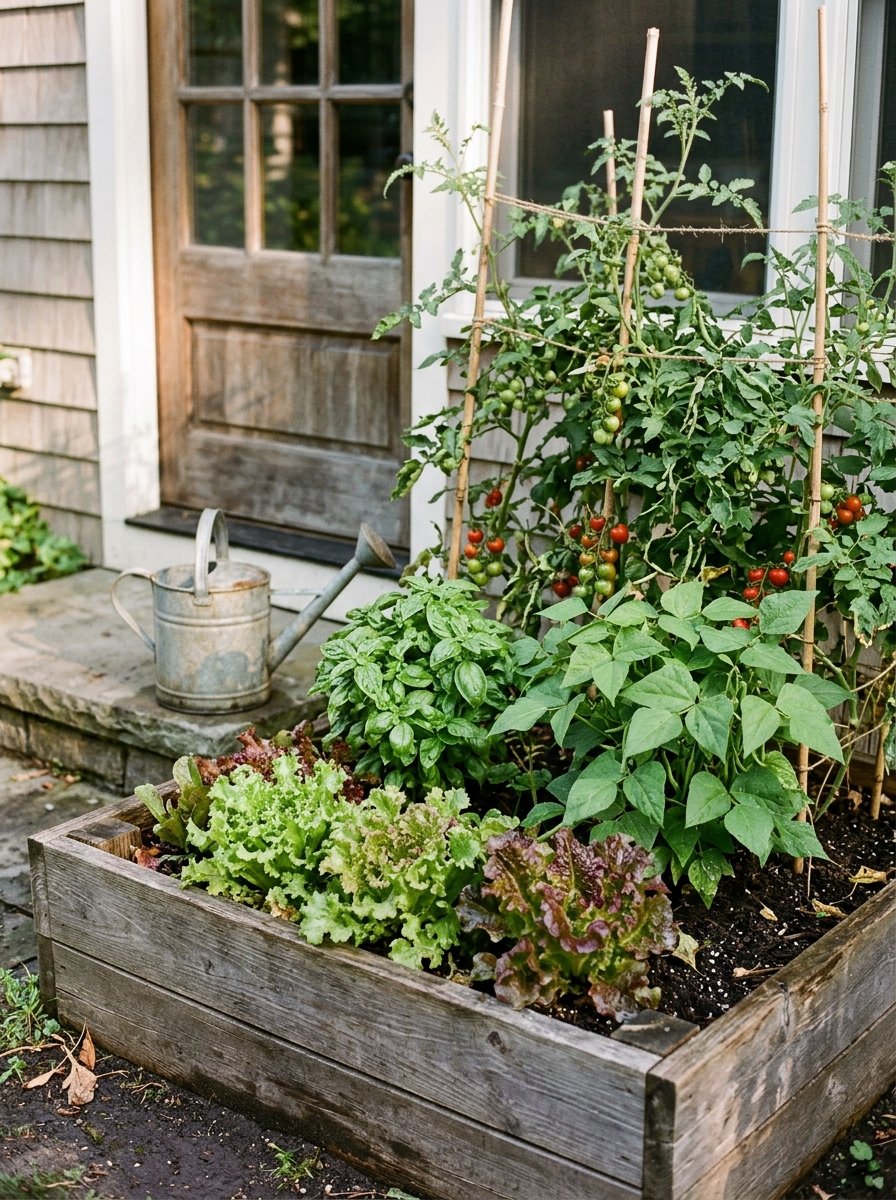
A small vegetable garden proves you do not need much room to grow food. A single bed, about 4 by 4 feet, can hold lettuce, tomatoes, peppers, and herbs. Because the space is small, you can water, weed, and harvest in minutes. Also, tucking it near the kitchen door makes picking dinner easy.
Plants to try: lettuce, radishes, cherry tomatoes, bush beans, and basil. Tip: plant tall crops on the north side, so they do not shade the shorter ones.
2. Large Backyard Garden
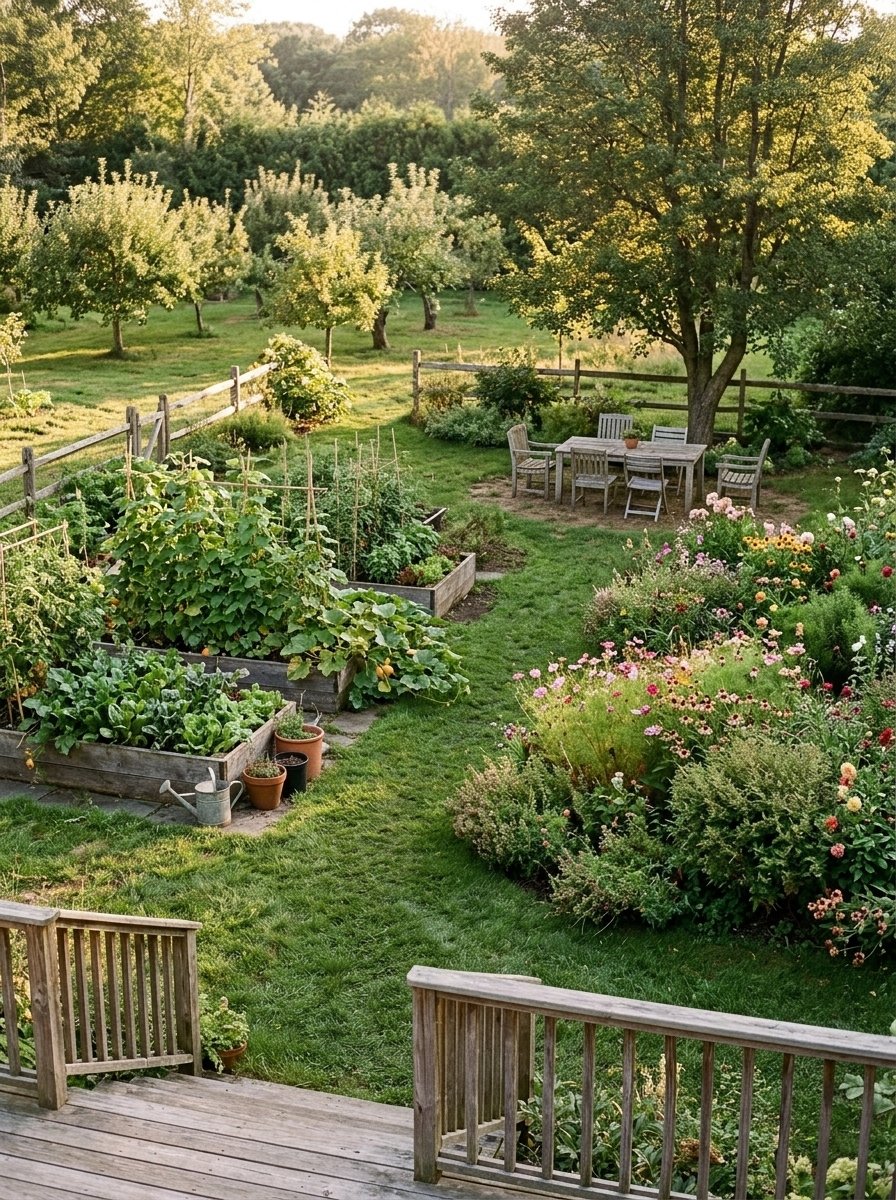
A large backyard garden gives you room to dream big. Divide the space into zones, such as a vegetable plot, a flower border, and a seating area. Then connect them with paths so you can walk through each one. Since big gardens take more work, plan a simple watering system early. That way, upkeep stays manageable.
Plants to try: corn, squash, sunflowers, shrubs, and fruit trees. Tip: use mulch generously to suppress weeds and hold in moisture.
3. Balcony Container Garden
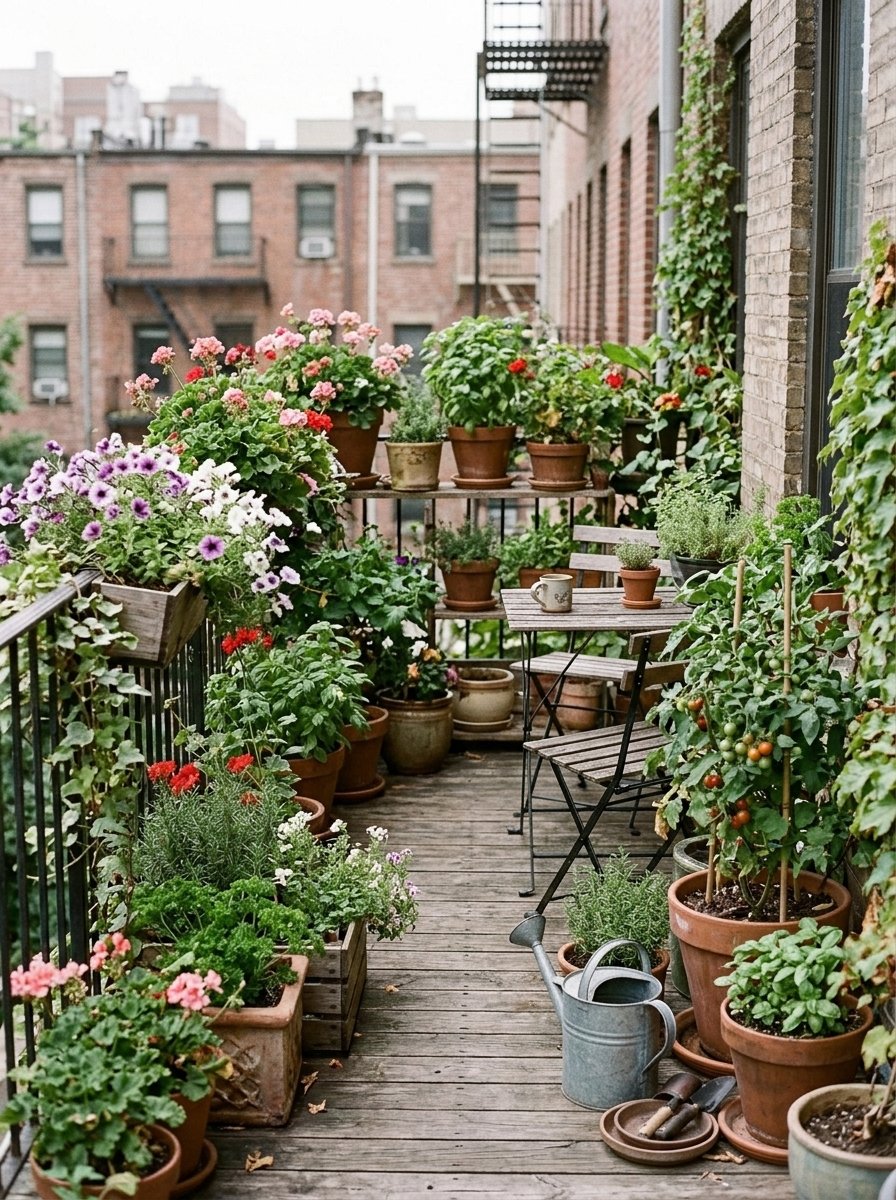
A balcony can hold a surprising amount of greenery. Group pots of different sizes along the railing and the floor. Add a small bistro table, and you have a calm outdoor nook. Because pots dry out quickly, choose containers with good drainage and water often. Meanwhile, lightweight pots help if your balcony has weight limits.
Plants to try: petunias, geraniums, herbs, and compact tomatoes. Tip: check your building’s rules before you hang planters over the railing.
4. Front Yard Curb Appeal Garden

Your front yard sets the first impression. Start with a clear path to the door, and then line it with low, tidy plants. Layer taller shrubs behind them for depth. Also, repeat the same few plants along the edge, since repetition looks calm and intentional. Finally, add a pot of seasonal flowers by the door.
Plants to try: boxwood, hydrangea, lavender, and ornamental grasses. Tip: keep plants trimmed away from walkways, so the path stays welcoming.
5. Patio Garden Nook

A patio garden blends plants with furniture. Surround a small seating area with large pots, tall grasses, and climbing vines. This creates privacy without a fence. Moreover, softly scented plants make the nook feel relaxing in the evening. Add a small side table, and you have a perfect spot for morning coffee.
Plants to try: jasmine, rosemary, lemon balm, and potted ferns. Tip: use pot feet, so water drains freely and does not stain the patio.
6. Courtyard Garden

Courtyards feel private and sheltered. Use the walls as backdrops for climbers, wall planters, and mirrors. A small tree in a large pot can anchor the space. Since courtyards often hold heat, choose plants that tolerate warmth, or add shade with a sail or pergola. Finally, keep the paving simple so the plants stand out.
Plants to try: Japanese maple, hostas, climbing roses, and herbs. Tip: add a small bubbler or water bowl for soothing sound.
Design Ideas by Style
Style gives your garden its personality. Fortunately, you can pick one look and still add your own touches.
7. Inviting Modern Garden
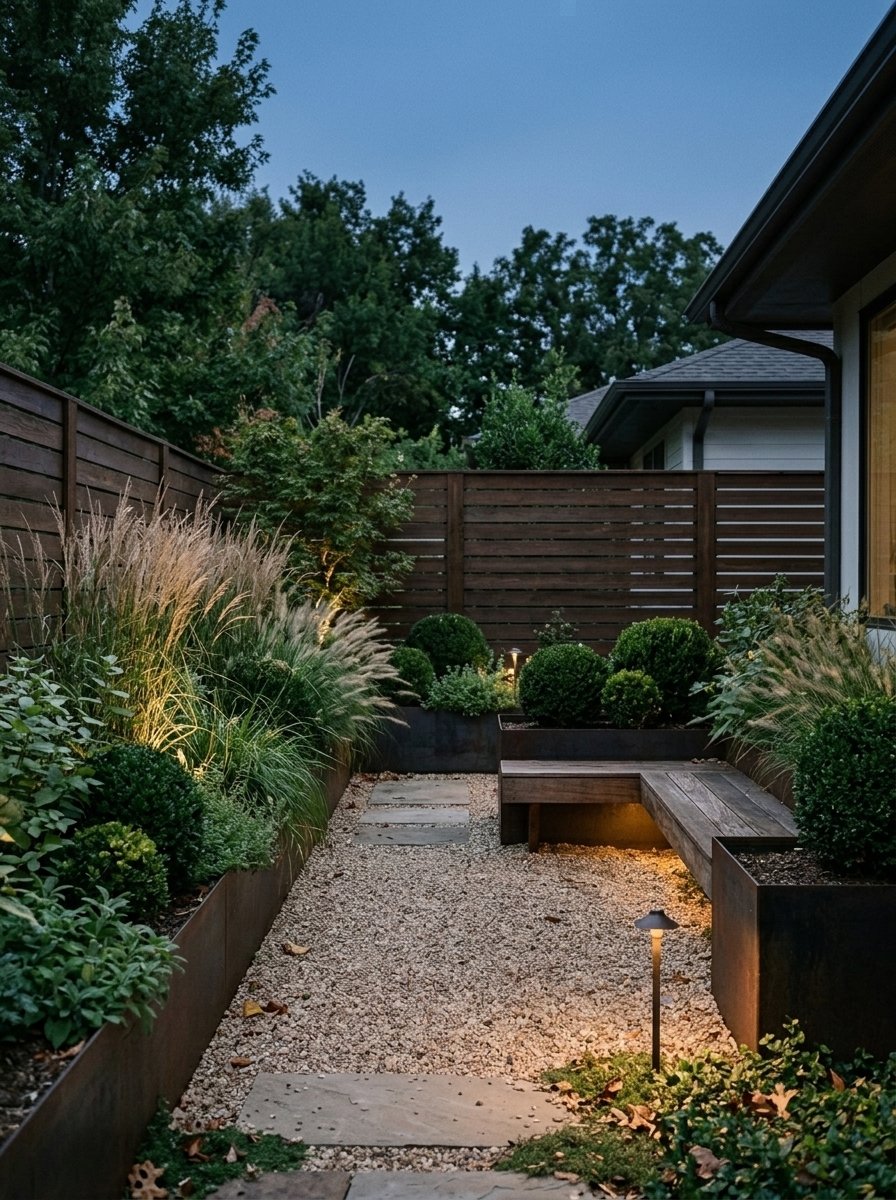
An inviting modern garden uses clean lines and a limited palette. Think simple raised planters, neat gravel, and bold green foliage. A few well-chosen plants repeated in groups look sharp and calm. In addition, warm lighting and comfortable seating keep the space friendly instead of cold. This style works well in small city yards.
Plants to try: ornamental grasses, boxwood, agave, and lavender. Tip: repeat one material, such as steel or wood, throughout the space.
8. Formal Rose Garden

A formal rose garden feels timeless. Plant roses in symmetrical beds, and edge them with low hedges. A central focal point, such as a birdbath or sundial, draws the eye. Because roses love sun, choose a spot with at least 6 hours of light. Also, keep the paths neat, since the structure is what makes the style “formal.”
Plants to try: hybrid tea roses, floribunda roses, boxwood hedging, and lavender. Tip: give roses good airflow, which helps prevent common leaf problems.
9. Cottage Garden
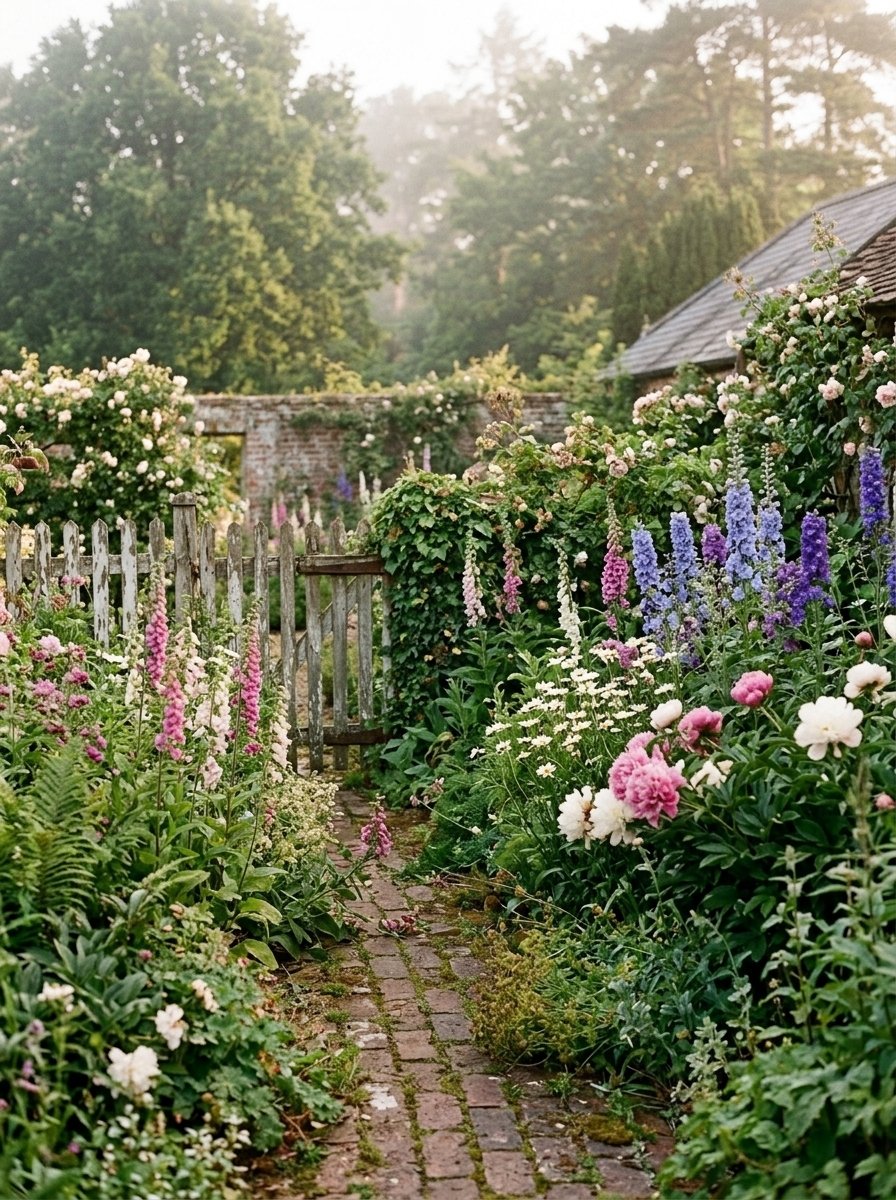
Cottage gardens are relaxed and full. Flowers spill over paths, and colors mingle freely. Plant in drifts, mixing tall spikes with soft, rounded blooms. Although the look seems casual, a little planning helps. For example, repeat a few key plants, so the garden feels connected. A wooden gate or picket fence adds the final charm.
Plants to try: foxglove, delphinium, peonies, daisies, and sweet peas. Tip: use stakes early, since tall flowers can flop in rain.
10. Japanese-Inspired Zen Garden

A zen-style garden values calm and balance. Use rocks, moss, gravel, and a few carefully shaped plants. Raked gravel suggests flowing water, and a single stone lantern adds a quiet focal point. Since the design is minimal, every element counts. As a result, the space feels peaceful, even in a small corner.
Plants to try: Japanese maple, bamboo in containers, ferns, and moss. Tip: keep the layout open, and leave plenty of empty space.
11. Mediterranean Garden

Mediterranean gardens celebrate sun and warmth. Use terra-cotta pots, gravel paths, and plants that handle dry conditions. Silvery leaves and purple blooms create a soft, sunny palette. Also, a simple bench under a pergola completes the look. Since these plants need little water once established, the garden suits busy homeowners.
Plants to try: lavender, rosemary, olive trees in pots, and sage. Tip: plant in well-drained soil, because soggy roots can kill these plants.
12. Farmhouse Garden

A farmhouse garden mixes beauty and purpose. Picture wooden raised beds, a gravel path, and rows of vegetables beside bright flowers. Add a vintage watering can or a galvanized tub for charm. Because the style is practical, you can enjoy fresh produce and pretty blooms at once. Finally, a simple fence ties it all together.
Plants to try: zinnias, sunflowers, tomatoes, kale, and cosmos. Tip: plant flowers between vegetables to attract helpful pollinators.
13. Tropical Garden

Tropical gardens feel lush and bold. Layer large leaves, bright flowers, and varied heights for a jungle effect. Even in cooler climates, you can create this look with containers and annuals. Meanwhile, a hammock or hanging chair adds a vacation feeling. Since many tropical plants like warmth, move potted ones indoors before frost.
Plants to try: canna lilies, elephant ears, hibiscus, and banana plants in pots. Tip: water deeply, and then let the top inch of soil dry before the next watering.
Eco-Friendly Garden Ideas
A beautiful garden can also be kind to the planet. These eco-friendly garden ideas save water, support wildlife, and improve your soil.
14. Pollinator Garden
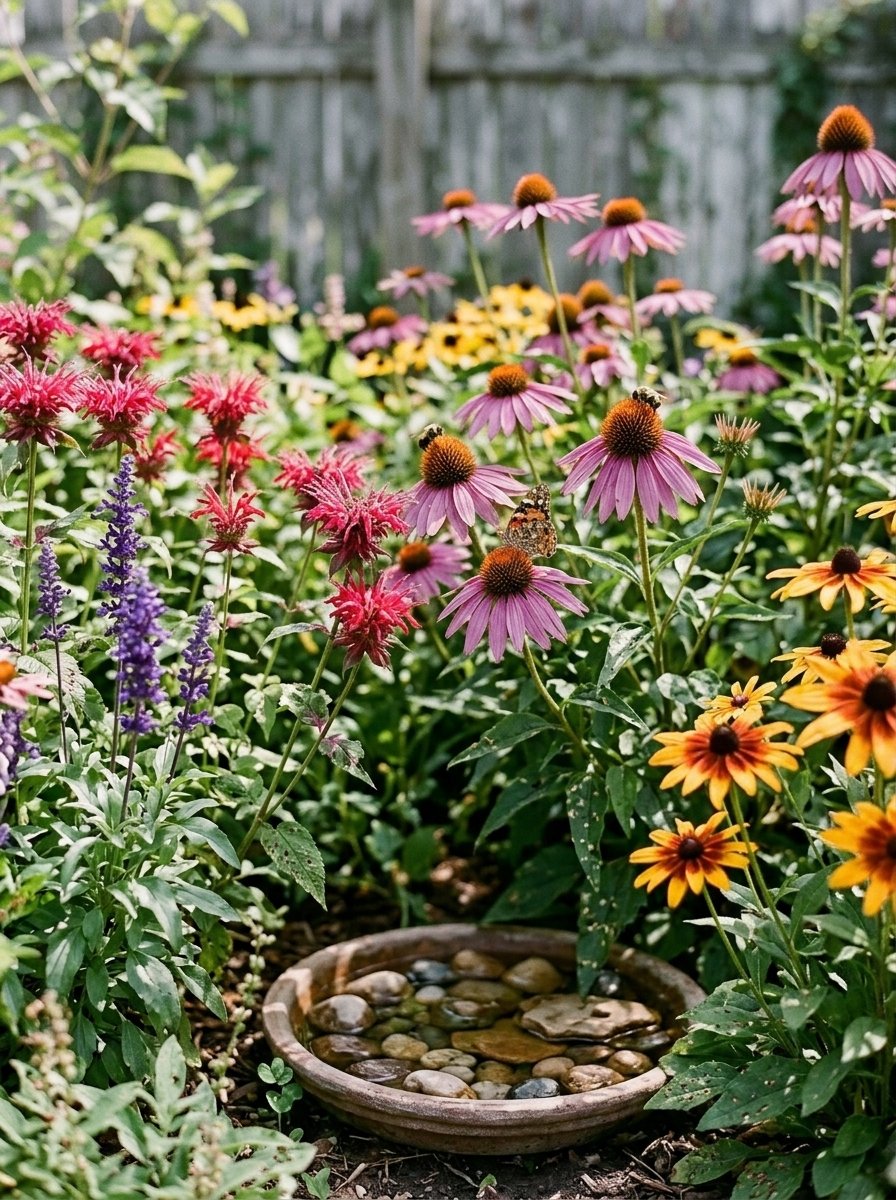
A pollinator garden feeds bees, butterflies, and other helpful insects. Plant clusters of flowers that bloom at different times, so something is always in flower. Because pollinators love sunny spots, choose an open area. Also, leave a shallow dish of water with pebbles nearby. The result is a lively, colorful garden that practically hums.
Plants to try: coneflower, bee balm, milkweed, salvia, and black-eyed Susan. Tip: use fewer pesticides, since many of them harm beneficial insects.
15. Rain Barrel Garden Corner

A rain barrel captures roof runoff and gives you free water for your plants. Place it under a downspout, and then surround it with pots or a small bed. Add a screen on top to keep out debris and insects. Before you install one, check local rules, since some areas have guidelines about rainwater collection.
Plants to try: ferns, hostas, and moisture-loving perennials. Tip: raise the barrel on a sturdy stand, so a watering can fits underneath.
16. Native Plant Garden
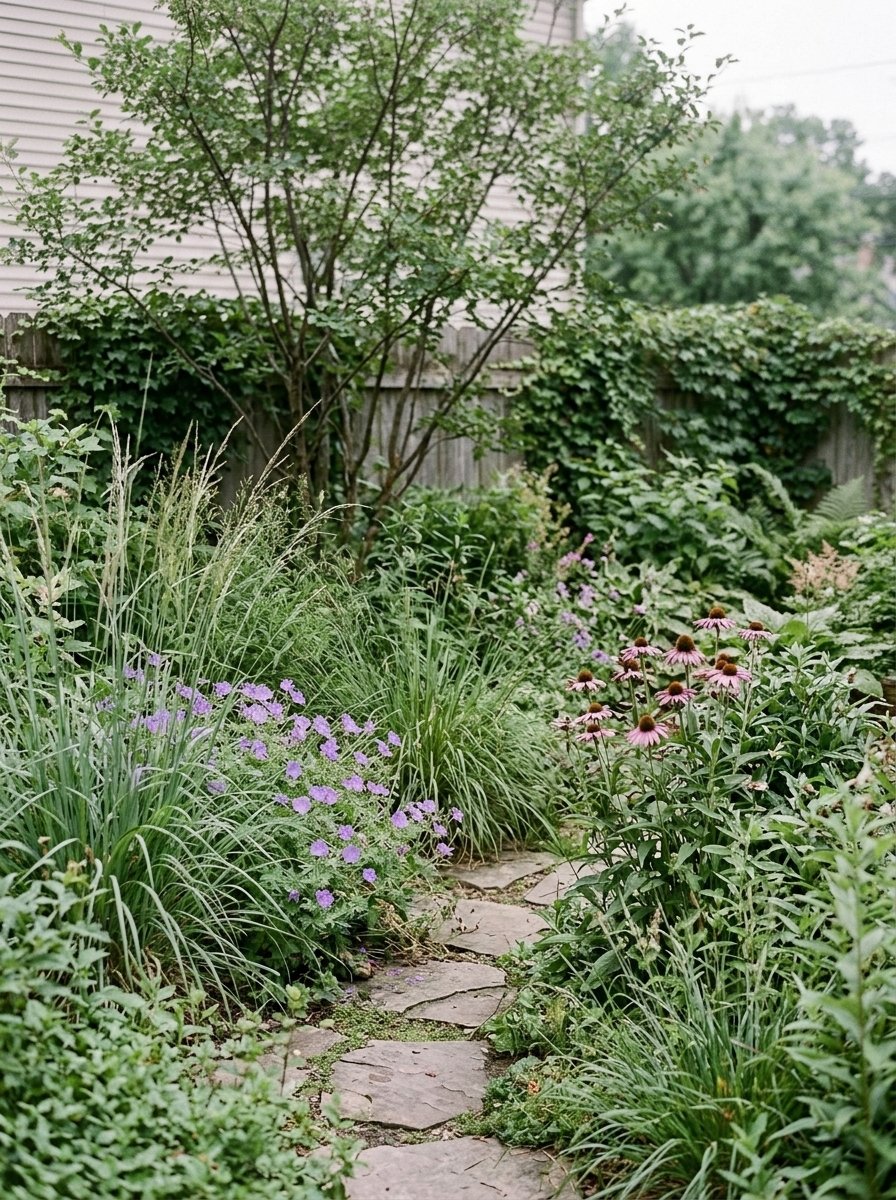
Native plants suit your local climate and soil. As a result, they usually need less water and less care once established. They also support local wildlife. Group them in drifts for a natural look, and then add a simple stone path. Contact a local nursery or extension office to learn which plants grow best in your region.
Plants to try: choose species native to your area, such as prairie grasses, wild geranium, or serviceberry. Tip: mulch new plantings to help them settle in.
17. Compost-Enriched Garden Beds

Healthy soil makes every garden better. Add compost to your beds each season, and you will feed plants naturally. A small compost bin in a corner keeps kitchen scraps out of the trash. Over time, the soil becomes darker, looser, and richer. Consequently, plants grow stronger and need fewer extras.
Plants to try: tomatoes, squash, and leafy greens, which all love rich soil. Tip: mix kitchen scraps with dry leaves for balanced compost.
Flower, Vegetable, & Container Garden Ideas
These garden ideas focus on growing. Some produce food, while others deliver color. Many work in tight spaces, so they suit almost any home.
18. Square Foot Vegetable Garden

Square foot gardening divides a raised bed into a grid of 1-foot squares. Each square holds a different crop, which keeps the planting neat. Because you plant closely, you waste little space. In addition, the grid makes planning easy, since you know exactly what goes where. This method is perfect for beginners.
Plants to try: carrots, spinach, peppers, and marigolds. Tip: use thin strips of wood or string to mark the grid clearly.
19. Raised Garden Beds

Raised garden beds improve drainage and reduce bending. Build them from untreated wood, stone, or metal, and fill them with quality soil. Keep the width to about 3 to 4 feet, so you can reach the center from either side. Also, raised beds warm up earlier in spring, which gives you a head start on the season.
Plants to try: tomatoes, beans, lettuce, and strawberries. Tip: line the bottom with cardboard to slow weeds.
20. Herb Garden in Terra-cotta Pots

A herb garden in terra-cotta pots looks charming and works well. Clay pots breathe, so roots stay healthy. Place the pots on a sunny step or windowsill, close to the kitchen. Then snip fresh leaves whenever you cook. Because some herbs spread quickly, keep them in separate pots.
Plants to try: basil, thyme, parsley, chives, and oregano. Tip: plant mint alone, since it spreads aggressively.
21. Mixed Herb, Vegetable, and Flower Garden

This idea blends food and beauty in one bed. Tuck flowers between vegetables and herbs, and the whole garden looks fuller. The blooms also attract pollinators, which helps your crops. Moreover, a mixed bed breaks up rows, so the space feels relaxed and cottage-like. Plan heights carefully, so taller plants do not shade shorter ones.
Plants to try: nasturtiums, calendula, kale, tomatoes, and dill. Tip: place the tallest plants at the back or center of the bed.
22. Perennial Shade Garden

Shade does not have to be dull. A perennial shade garden uses leaf shape, texture, and soft colors to create calm. Layer large hostas, feathery ferns, and delicate flowers beneath trees. Since perennials return each year, you plant once and enjoy for seasons. Meanwhile, a bench or birdbath makes the area feel inviting.
Plants to try: hosta, fern, astilbe, bleeding heart, and coral bells. Tip: enrich the soil with compost, because trees compete for nutrients.
23. Flower Border Garden
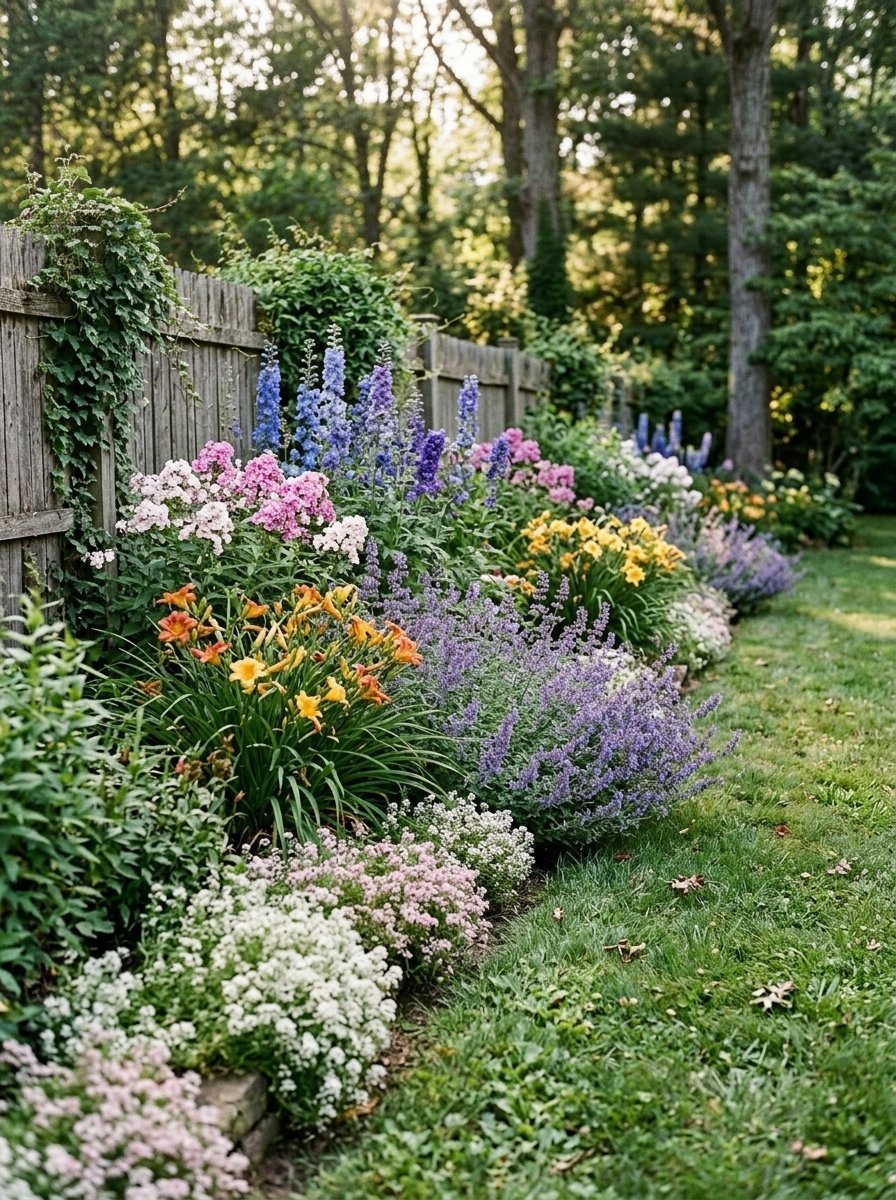
A flower border frames a lawn, fence, or path. Plant tall flowers at the back, medium ones in the middle, and low ones at the front. This layering gives depth and color from every angle. Also, repeat plants along the length, so the border feels connected. Finally, add edging for a crisp finish.
Plants to try: delphinium, phlox, daylily, catmint, and alyssum. Tip: choose plants with staggered bloom times for months of color.
24. Vertical Garden

A vertical garden grows plants up instead of out. Use wall planters, trellises, or a pocket organizer to hold greenery. This saves floor space and adds a living wall to plain fences. Since water runs downward, place thirsty plants at the bottom. Additionally, a drip line can make watering far easier.
Plants to try: strawberries, herbs, trailing ivy, and succulents. Tip: make sure the wall or fence can support the weight when wet.
25. Cut Flower Garden

A cut flower garden lets you fill vases for free. Grow rows of easy blooms in a sunny bed, and then snip stems each week. Regular cutting actually encourages more flowers. Because the bed is for harvesting, you can plant in tidy rows. Then enjoy fresh bouquets on your table all season.
Plants to try: zinnias, cosmos, snapdragons, and dahlias. Tip: cut in the morning, and put stems in water right away.
Design Features
The right features turn a planting area into a complete garden. They add structure, comfort, and atmosphere. So, pick one or two that match your style.
26. Garden Pathway With Gravel or Stepping Stones

A path guides people through the garden and protects the plants. Gravel is affordable and drains well. Stepping stones feel softer and more informal. Define the edges with stone or metal strips, so the material stays in place. Moreover, a gently curving path makes a small garden feel larger.
Plants to try: creeping thyme between stones, plus lavender along the edges. Tip: lay a weed barrier under gravel, and make the path at least 3 feet wide for comfort.
27. Pergola Seating Corner
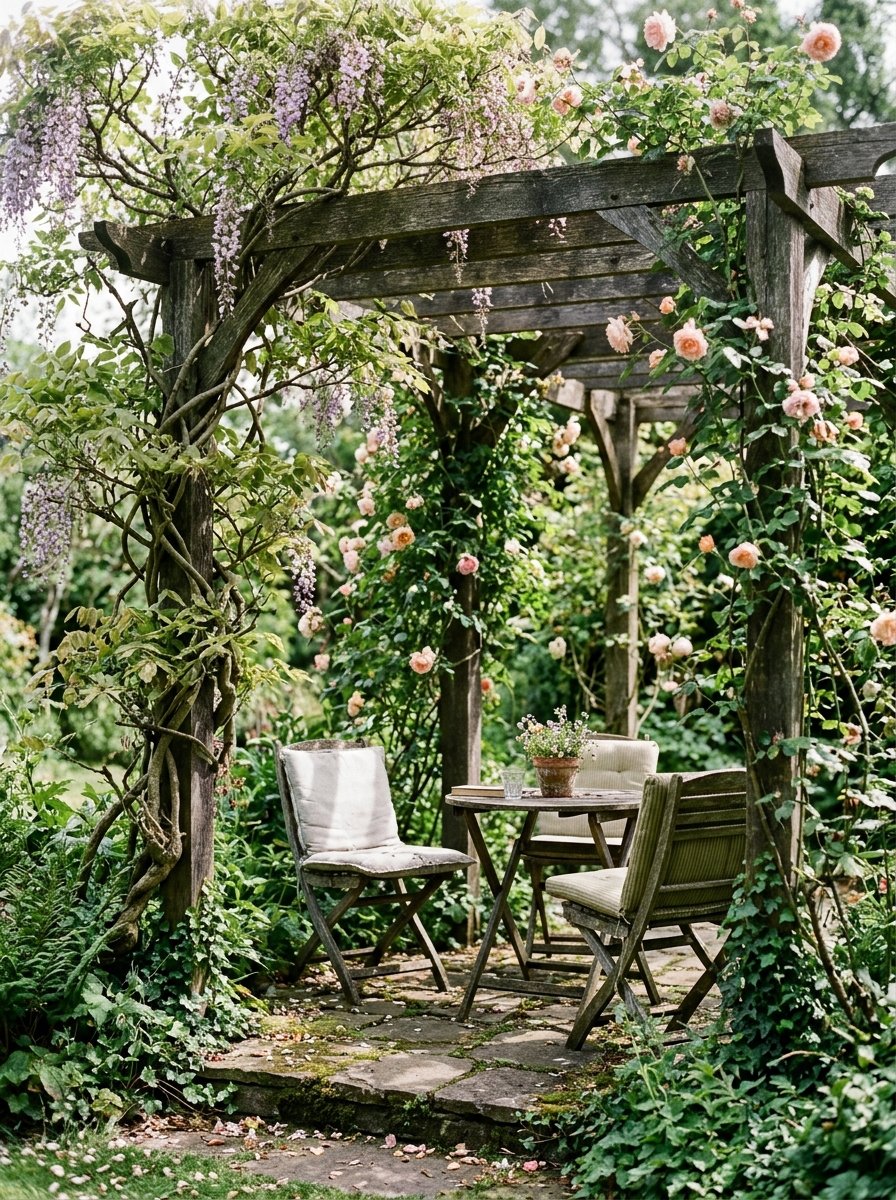
A pergola adds shade and a sense of shelter. Place a small table and chairs underneath, and you have an outdoor room. Train climbing plants up the posts for extra privacy. Because pergolas are structures, anchor them securely and follow local building rules. Finally, add outdoor cushions for comfort.
Plants to try: wisteria, climbing roses, clematis, and grapevines. Tip: choose climbers suited to your zone, and prune them yearly.
28. Garden Lighting

Lighting lets you enjoy the garden after sunset. Solar path lights are easy to install. String lights over a patio create a cozy mood. Also, uplighting on a tree adds drama. Keep lights warm and soft, since harsh beams feel unwelcoming. If you use wired fixtures, follow safety guidelines or hire an electrician.
Plants to try: white flowers and silver foliage, which glow in low light. Tip: place lights low and shielded to avoid glare.
29. Water Feature

A small fountain or bowl adds soothing sound and attracts birds. Choose a self-contained fountain that recirculates water, so setup stays simple. Place it where you can see and hear it from your seating area. Because standing water can attract mosquitoes, keep it moving and clean. If you use electricity outdoors, plug into a GFCI outlet.
Plants to try: ferns, hostas, and ornamental grasses nearby. Tip: add a shallow ledge or stones for birds to land on.
30. Trellis and Climbing Plants

A trellis adds height and hides plain walls. Install one against a fence or build a freestanding frame in a bed. Climbing plants soon cover it in flowers or fruit. Since vines grow quickly, make sure the trellis is sturdy. In addition, a trellis makes harvesting easier, because vegetables hang in plain sight.
Plants to try: sweet peas, pole beans, cucumbers, and clematis. Tip: tie stems gently as they grow, so they follow the support.
Seasonal Garden Care Tips
A little care each season keeps your garden looking great. Here is a simple guide.
- Spring: Clean up debris, refresh the soil with compost, and plant after the last frost in your area.
- Summer: Water deeply, mulch to hold moisture, and deadhead spent flowers.
- Fall: Plant spring bulbs, divide crowded perennials, and rake leaves into the compost pile.
- Winter: Protect tender plants, clean your tools, and plan next year’s changes.
Also, check your local frost dates, since they vary a lot across the United States.
Common Garden Mistakes to Avoid
Even experienced gardeners slip up. Watch out for these.
- Planting in the wrong light. Always match each plant to the sun it needs.
- Overwatering. Soggy soil causes root problems, so check moisture first.
- Crowding plants. Give each plant room to reach its mature size.
- Skipping soil prep. Good soil is the foundation of every healthy garden.
- Starting too big. A small, well-kept space beats a large, neglected one.
- Ignoring your zone. Choose plants that survive your winters.
Frequently Asked Questions
What are the best garden ideas for beginners?
Start with a small vegetable garden, a herb garden in terra-cotta pots, or a few raised beds. They are compact, forgiving, and easy to manage.
How do I design a garden layout?
First, map your sun, shade, and soil. Next, choose a style and a few key features. Then place taller plants at the back and shorter ones in front.
What is the easiest garden to maintain?
A native plant garden or a mulched perennial bed needs the least upkeep. Both use plants suited to your area, so they need less water and attention.
How can I make a small garden look bigger?
Use curved paths, vertical elements, and layered planting. Light colors and mirrors also help the space feel more open.
What can I grow in the shade?
Hostas, ferns, astilbe, and coral bells all thrive in shade. Some leafy greens also tolerate partial shade.
When should I start my garden?
It depends on your region. Check your last frost date, and then plant cool-season crops early and warm-season crops after frost.
Conclusion
These garden ideas show that a beautiful yard is possible in any space. Whether you have a balcony, a patio, or a large backyard, there is a design that fits. Start with one idea, and then add more as your confidence grows. Over time, your garden will become a place you truly enjoy.